

Sociology, BA
- These structures are always changing, so Sociology majors must have critical reasoning skills and the intellectual flexibility to communicate around these fluctuations in social behavior.
- Sociology is an interdisciplinary field that draws on other areas of study, such as history, psychology, and economics.
- Sociologists use analytical, communication, critical-thinking, and writing skills to process large amounts of data and draw conclusions.
- You can use this degree to improve the quality of life for people everywhere. As a Sociology major, you will understand the essentials of human behavior.
- You will explore social processes that operate in the communities, businesses, and groups we encounter every day.
- You will examine social problems and analyze solutions.
Your Degree Plan
Social Problems in Contemporary America
SOC 207
Sociological analysis of the causes, effects, and approaches to preventing and reducing social problems in American society.
Inequality and the Media
SOC 225
Analyzes how media reflects and shapes inequalities in society with emphasis on race, class, gender, and sexual orientation. Content is based on research findings derived from studies of contemporary society and media.
Sexuality and Society
SOC 226
Examines sociological perspectives on sexuality, sexual identity, and associated attitudes and beliefs. Emphasis is given to processes through which these concepts and our understandings of them are socially constructed.
Race and Ethnic Relations
SOC 235
Racial and ethnic groups are examined in terms of their history, transformation over time, and the contemporary conditions and issues they face. Emphasis is on prejudice as well as systemic racism.
Death and Dying
SOC 312
This course explains the issues and problems associated with death in American society. Topics such as changing attitudes, grief, funeral practices, life after death, the dying patient, and widowhood are presented from a variety of perspectives.
Social Psychology
SOC 320
Provides a basic but detailed knowledge of the tenets of sociological social psychology, with an emphasis on symbolic interaction. Focuses on how individual identity is formed through a social process.
Cities and Urban Life
SOC 470
This course introduces students to the scientific study of urban social activity and urban problems, including crime. The primary goals are to present the methods, theories, and key concepts of sociological perspectives on cities.
Honors
Expand your curiosity and enhance your curriculum through the WVU Honors College. Two programs are offered: Honors Foundations and Honors in Action.
The WVU Difference
What sets this program apart?
- Faculty are international and national experts in the fields of sociology, anthropology, criminology, and women and gender studies.
- International service projects tied to course content.
- Inside-Out Prison Exchange allows students to go behind prison walls to reconsider what they’ve learned about crime and justice, while helping those inside prison place their life experiences in a larger framework.
- Earn academic credit through Eberly internship courses.
- 500+ scholarships awarded annually by the Eberly College of Arts and Sciences.
- Academic Enrichment Program offers funding for activities that complement, extend, and enhance your academic experience.
Learn by Doing
Get involved outside the classroom.
- Summer Undergraduate Research Experience: An 8-week WVU summer program for students interested in graduate school and research/creative work in their discipline or a related discipline. Participants work under the direction of a WVU faculty research mentor and a graduate or post-doctoral mentor. Students interested in research careers are especially encouraged to apply.
- Research Apprenticeship Program: A 2-semester WVU program for students with limited or no research experience. Students can earn course credit and use federal work-study funds for undergraduate research apprenticeships with WVU research faculty.
- Environment and Society Lab: A virtual space for teaching, collaboration, and advocacy focused on the intersection of environment and society in West Virginia and Appalachia.
- Research Center on Violence: Conducts research and publishes scholarly work to prevent and control violent behaviors. The research informs progressive policies seeking to reduce violence in West Virginia, the U.S., and worldwide.
- Arch Lab: Offers practical archaeological experience and promotes West Virginia archaeology and the research potential of legacy collections. It’s a welcoming and inclusive environment for students passionate about archaeology.
- Spring break or semester Service Learning Study Abroad in Bolivia or Panama, Honduras, Ghana, Guatemala, and Belize.
View all of the student organizations you can join.
- American Anthropological Association
- American Society of Criminology
- American Sociological Association
- Association of Black Sociologists
- North Central Sociological Association
- Society for the Scientific Study of Religion
- Society for the Study of Social Problems
- Clinical Social Work Association
- Urban Affairs Association
In our Soc 491: Internship course, you’ll earn up to 12 non-graded credits while gaining hands-on experience in a professional setting and applying sociological tools to reflect on real-world work. Past internships include local and out-of-town opportunities.
Explore internship options through the searchable AnthroGuide.
Internship ideas:
- Alzheimer’s Association
- Aull Center
- Bureau Alcohol, Tobacco, and Firearms
- ATF Clarksburg Office
- Bureau of Alcohol, Tobacco, Firearms and Explosives
- Casa for Kids
- Department of Justice - Bureau of Prisons
- Division Natural Resources Law Enforcement Section
- Prunty Town Correction Facility
- Federal Bureau of Investigation (Also CJIS division)
- Forensic Science Initiative
- Granville Police Department
- Magistrate Court
- Monongalia County Day Report Center, Probation Office, Sheriff’s Department, Teen Court, and Victim Assistance Program
- Morgantown Area Youth Services Project
- Morgantown Police Department
- National Cyber Forensics Training Alliance
- National White Collar Crime Center
- Randolph County Sheriff
- Rape and Domestic Violence Information Center
- The Shack Neighborhood House
- Tabhor Community Corrections
- Taylor County Community Corrections Program
- WVU Transportation and Parking
- United States Probation Office
- Westover Police Department
- West Virginia Governor’s Internship Program
- West Virginia State Police
- WVU Center for Resilient Communities Internship Program
- WVU Police Department
- Wheeling Police Department
- Critical Thinking: Define and analyze social problems; identify structural and cultural factors that contribute to social and individual outcomes; analyze the connections between social problems and personal issues.
- Quantitative and Symbolic Reasoning: Understand and apply basic statistics to social issues; interpret and draw appropriate conclusions from social science data presented in tables, charts and graphs; apply quantitative knowledge to present social science data in various forms (graphs, tables, words).
- Communication: Clearly communicate sociological concepts, theories, and findings through writing and speaking; follow appropriate norms of small group and classroom discussion interactions by listening actively and responding appropriately.
- Evaluating/Conducting Empirical Research: Identify, assess, explain, and conduct components of social science research including research design, data collection, sampling, and measurement.
- Information Literacy: Identify sources of social science research; assess social science research reported in both professional and popular publications; use social science to develop informed judgements about significant social issues.
- General Life Skills: Students will develop skills including civility, punctuality, responsibility and organization, life-long learning, and professionalization.
- Society and the Physical World: Identify, analyze, and explain the relationships between social structure and culture on the one hand, and technological and natural physical systems on the other.
- Diversity: Identify, analyze, and explain the causes and consequences of social inequality across multiple dimensions (e.g., gender, race, SES) and institutions (e.g., family, sports, work).
- Social Order: Identify, analyze, and explain the contribution of social institutions to social order.
Careers and Outcomes
How does this degree prepare students for a career?
Human behavior and cultures
Career path: Social worker, counselor, careers in education, careers in medicine and health
Suggested courses: Families and Society, Sexuality and Society, Race and Ethnic Relations, Death and Dying, Sociology of Gender
Law and justice
Career path: Law school, lawyer, policing, public policy
Suggested courses: Social Problems in America, Deviant Behavior, Sociology of Law, Hate Crime, Social Psychology
Marketing, business, and economy
Career path: Nonprofit leader, community organizer, political office, nonprofit sector, social services
Suggested courses: Social Problems in America, Cities and Urban Life, Social Movements, Sociology of Law, Race and Ethnic Relations
Social justice, advocacy, and community organizing
Career path: Nonprofit leader, community organizer, political office, nonprofit sector, social services
Suggested courses: Social Problems in America, Cities and Urban Life, Social Movements, Sociology of Law, Race and Ethnic Relations
Graduate school options
The Department of Sociology and Anthropology doctoral program explores societal connections through 4 unique specializations:
- Crime, Law, and Deviance
- Inequality, Diversity, and Equity
- Social Psychology and Group Processes
- Sociology of Religion
Meet Your Community
The Sociology family will inspire you.
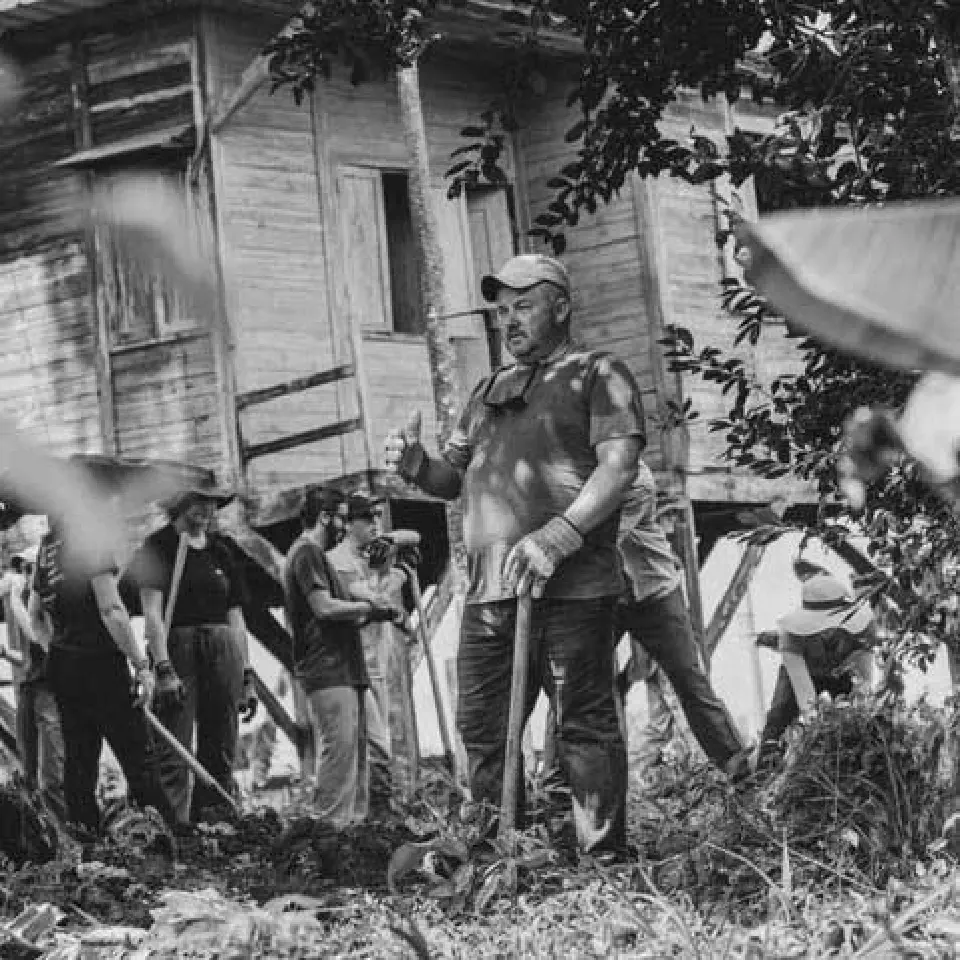
Daniel W. Brewster
Professional Highlights
- Teaching Assistant Professor
- Eberly College of Arts and Sciences Outstanding Teacher
- Neil S. Bucklew Award for Social Justice recipient
- WVU 150 who represent 150 years
Katie Corcoran
Professional Highlights
- Professor
- Research dedicated to uncovering the lived experiences and unmet needs of rare disease and maternal health communities, translating patient voices into actionable insights that guide clinicians toward enhanced healthcare practices, improved patient outcomes, and a brighter quality of life.
- Supported by prestigious grants from funders such as the National Science Foundation, the John Templeton Foundation, and the Patient-Centered Outcomes Research Institute.
- Author of over 50 peer-reviewed articles and 2 books.
Chris Scheitle

Professional Highlights
- Professor
- Principal Investigator for several major grants from the National Science Foundation, the John Templeton Foundation, and other agencies totaling over $2 million.
- Author of over 100 peer-reviewed articles and 5 books published by Oxford University Press and New York University Press.
- Ranks in the top 1% of sociologists for productivity, quality and impact of research for the prior 5 years according to ScholarGPS.
Rachel Stein
Professional Highlights
- WVU Research MVP Award for research on the Amish and COVID-19
- Past President of the North Central Sociological Association
- Research interests: Community, religion, and the Amish
Rachael A. Woldoff
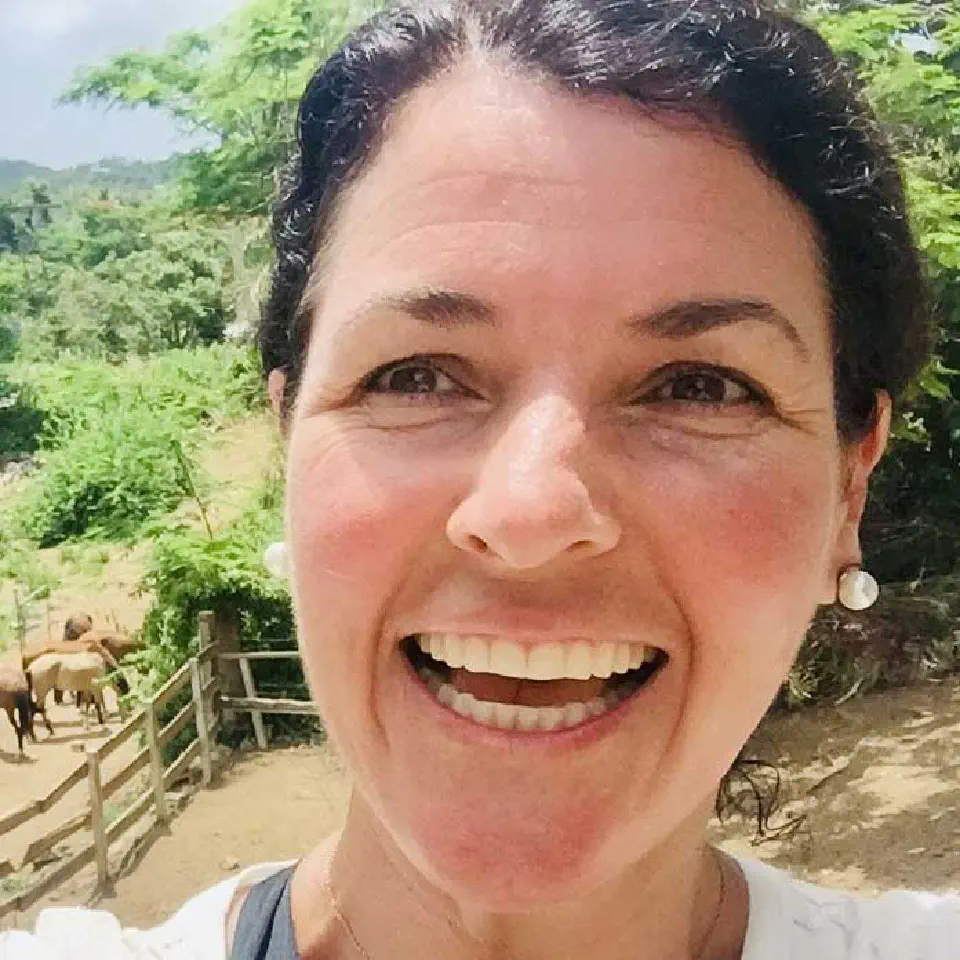
Professional Highlights
- Professor
- Eberly College of Arts and Sciences Outstanding Researcher Award
- Author of "White Flight/Black Flight: The Dynamics of Racial Change in an American Neighborhood," which was awarded the Best Book Award from the Urban Affairs Association.
- Coauthored "High Stakes: Big Time Sports and Downtown Redevelopment" (The Ohio State University Press 2004), "Priced Out: Stuyvesant Town and the Loss of Middle-Class Neighborhoods" (New York University Press 2016), and "Digital Nomads: In Search of Freedom, Community, and Meaningful Work in the New Economy" (Oxford University Press 2021), which examines community, creative class cities, and the rise of remote work.
- Currently researching public housing residents and their experiences of forced relocation during the pandemic.

“As soon as I took my first Sociology class, I knew that I had finally found the label for my interests in social justice and group interactions. I had found my passion!”
Suraya Boggs

“I chose to add a Sociology major to help me become the best version of myself. At WVU I was able to learn to think critically and deeply on social issues affecting contemporary America. I was also encouraged and inspired to actively help to fix social issues and volunteer at organizations such as Pantry Plus More.”
Joshua Pilarski
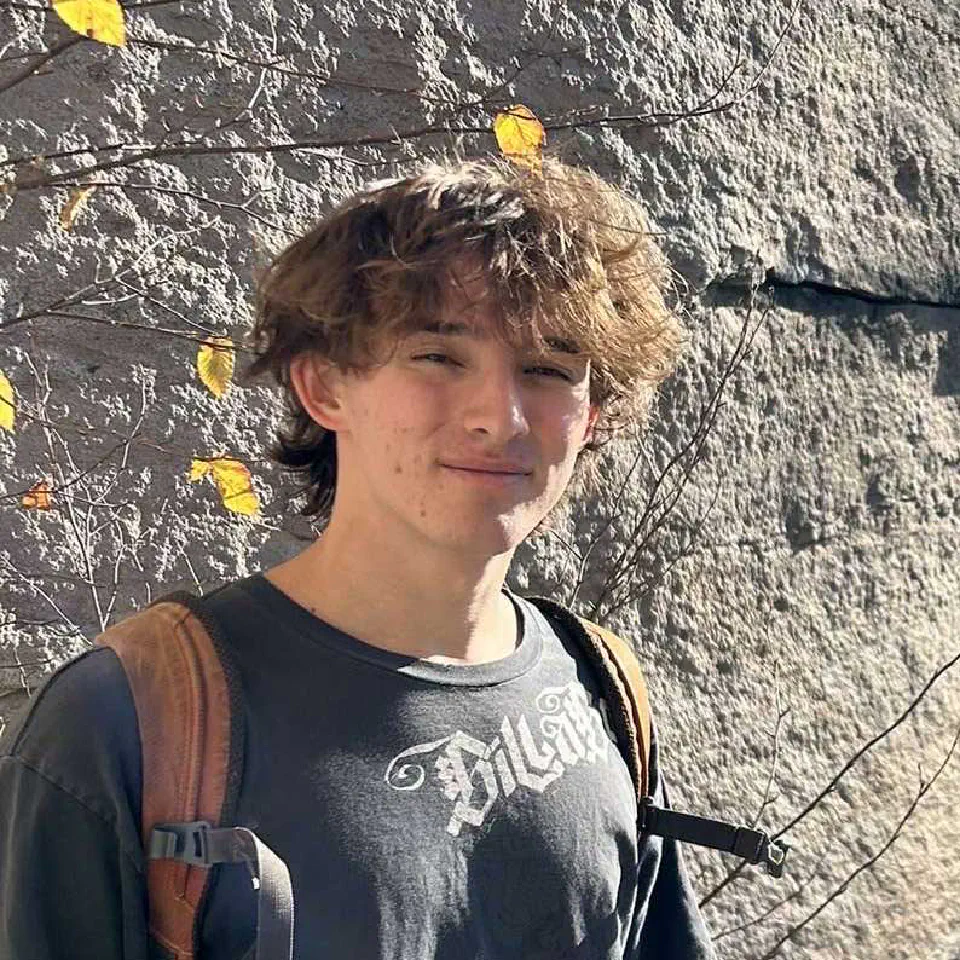
“The reason I chose WVU is because West Virginia has always been one of my favorite places to visit because of the beauty of the diverse geography. I chose Sociology because I love learning about human behavior and trying to understand why things are the way they are.”
Finn Stelzig
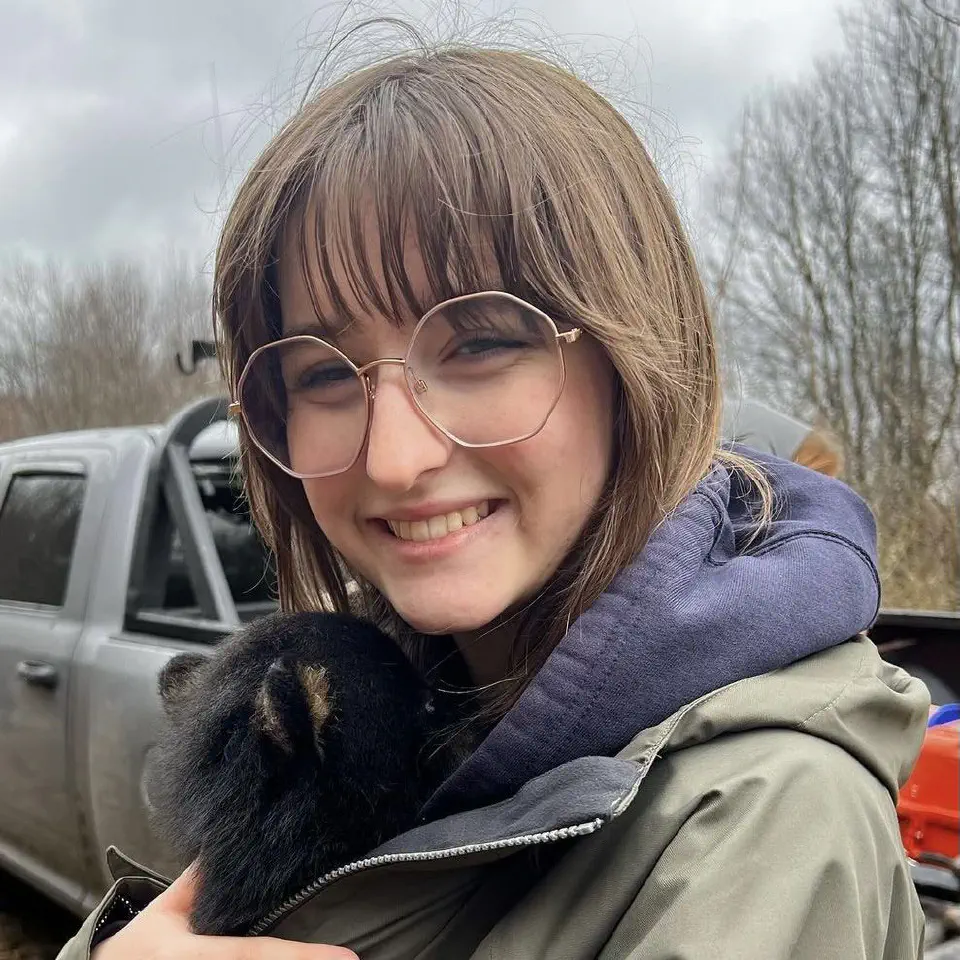
“As someone who is from Morgantown, WVU has always felt like home but what really solidified my decision to study Sociology here were the opportunities like Dental Brigade and the SURE program, and the professors, such as Professor Brewster, who genuinely care about their students.”
Clara DeBastiani
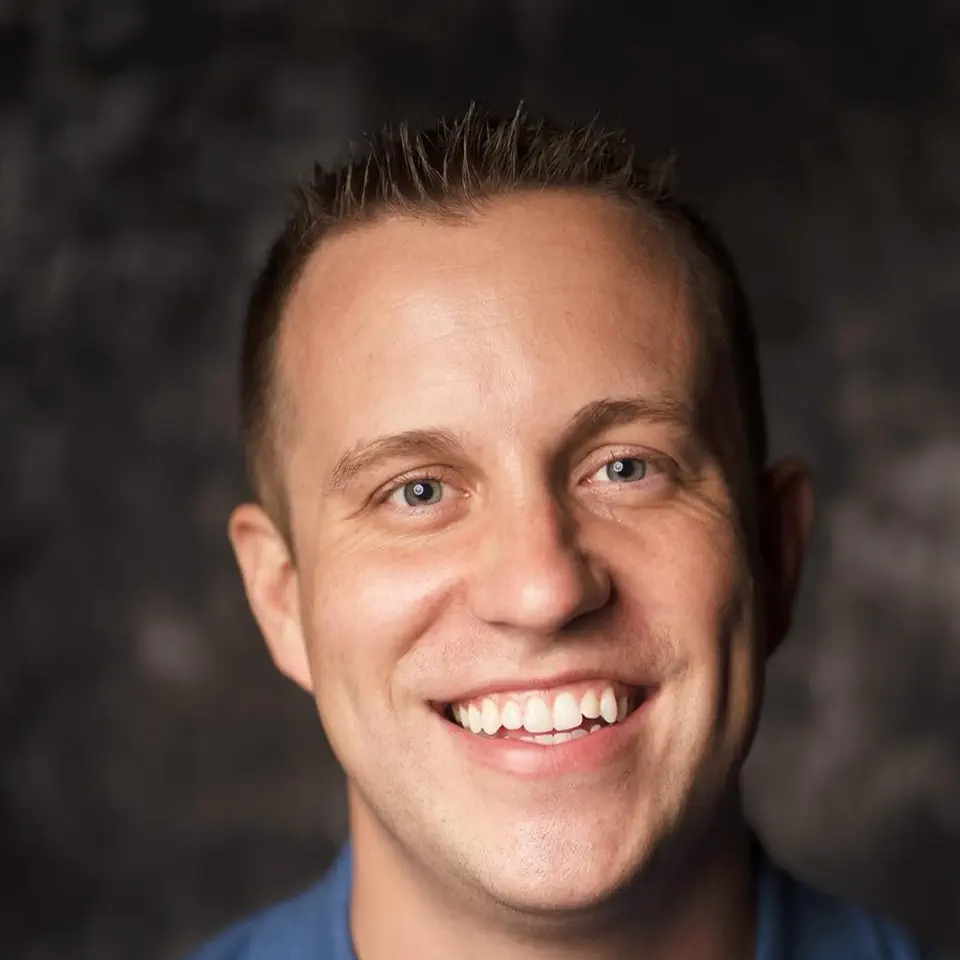
“During my time at WVU I built invaluable relationships that I still cherish today. Through my sociology classes and degree, I began to develop a deeper understanding of people. This has enabled me to be a problem solver for people of many backgrounds. As a result, I have been a business owner for many years, successfully serving my community and countless clients.”
Alexander Cruz
Partner, CR of Maryland
BA, Criminology, 2011
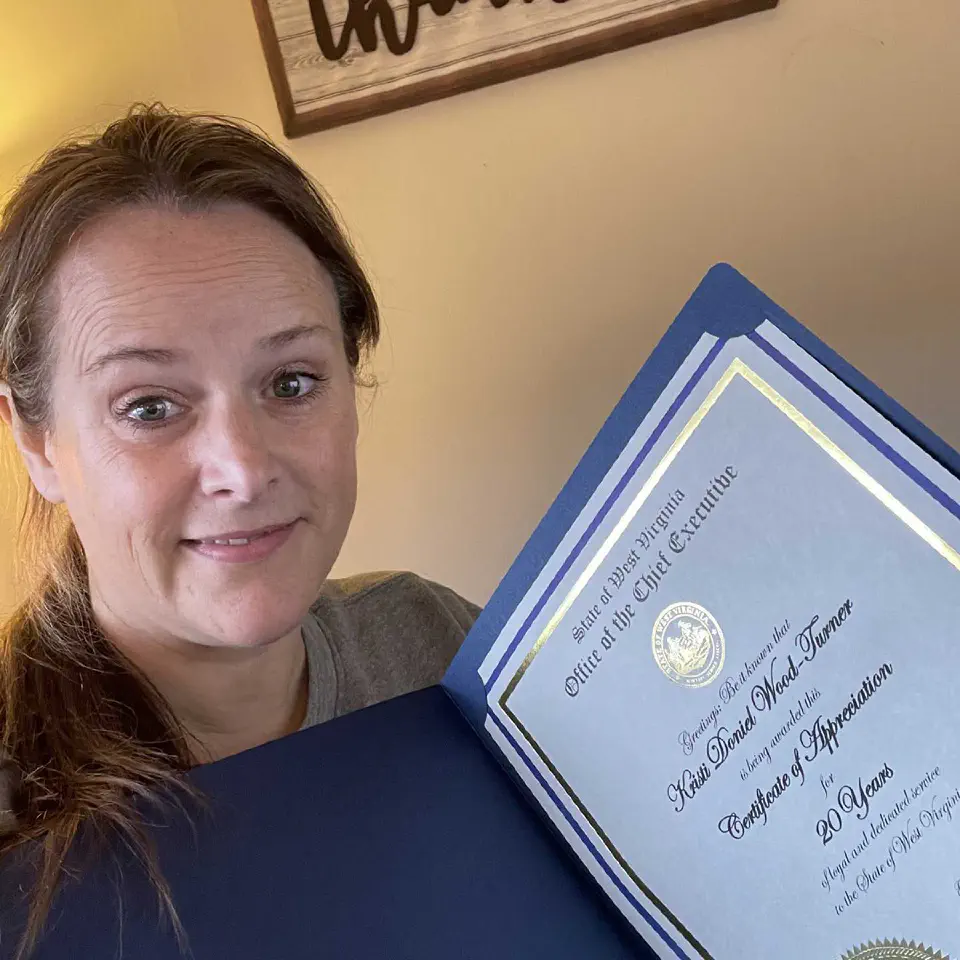
“At WVU, I learned to explore my interests, dedicate myself to my passions, and face adversity with resilience. I discovered how to lead with purpose and push forward, even when others doubted me. The Sociology Department and its incredible faculty and staff not only guided me toward a brighter future but supported me and my family along the way.”
Kristi Wood-Turner
BA, Sociology and Anthropology, 2000; MA, Applied Social Research, 2002; EdD, Educational Leadership, Higher Ed Administration, 2011
FAQs
Common questions and answers about Sociology.
- Admitted students may submit a Change of Major Request. This form is for prospective students only.
- Currently enrolled students must meet with their academic adviser.
- Please review the admissions requirements to ensure that you are eligible for the requested major. Requests will not be processed if ineligible.
- Sociologists enter the corporate, non-profit and government worlds as directors of research, policy analysts, consultants, human resource managers, and program managers.
- Practicing sociologists with advanced degrees may work as research analysts, survey researchers, gerontologists, statisticians, urban planners, community developers, criminologists ,or demographers.
- Sociologists become high school teachers or faculty in colleges and universities, advising students, conducting research, and publishing their work.
Places and Spaces
See where you’ll study, research, and create.
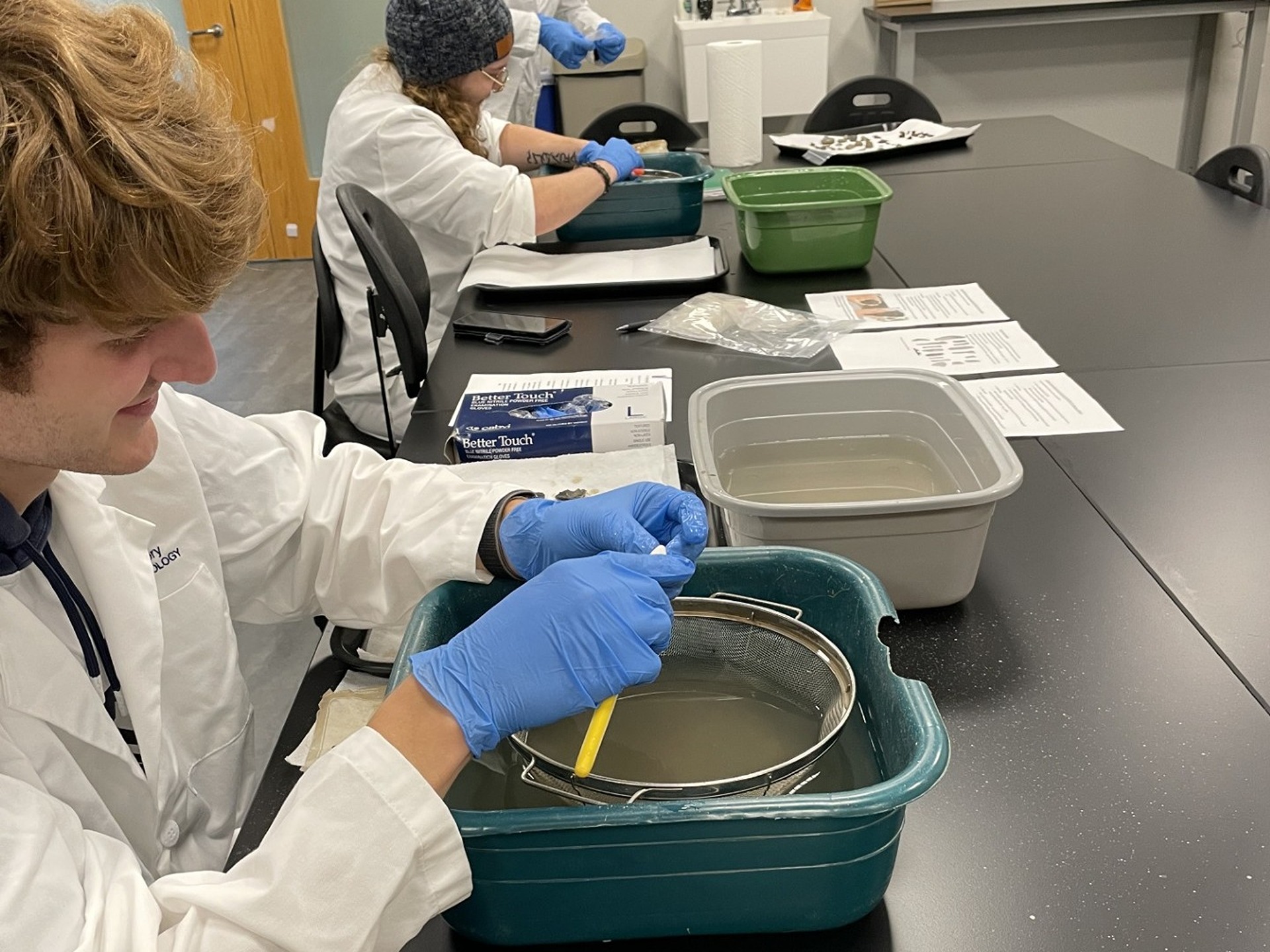
Archaeological Training and Research Lab
West Virginia Environment and Society Lab
Research Center on Violence
Virtual Tour
It’s the next best thing to being here. Virtually tour our campus and residence halls.
Student Life
You'll experience epic traditions, quality academics, and a supportive community that feels like home.
Visit
See WVU in person and start imagining life as a Mountaineer.
Admission Requirements
To be admitted to the Sociology major, first-time freshmen must meet WVU's first-time freshman admission requirements. Interested in transferring? Review the transfer admission requirements.
Tuition and Aid
How much does Sociology at WVU cost? And how can you save?
Tuition and Fees
Estimated rates are available on our tuition website. Anyone who is not a current West Virginia resident, including international students, will be charged non-resident rates.
Ways to Save
Beyond scholarships, here are other ways to reduce your cost of attending WVU.
Financial Aid
The most important step toward funding your future with financial aid for the Sociology, BA is submitting the Free Application for Federal Student Aid, or FAFSA.
Start at Another WVU Campus
You can start your career with WVU at another campus and transfer to WVU Morgantown.
Transfer Articulation Agreements
To simplify the transfer process, we have formal agreements with certain institutions. These agreements outline the courses you should take to prepare for transferring to WVU.
Review the full list of transfer articulation agreements to see if your institution is listed.
Request Info
Want to know more about Sociology at WVU? Fill out our request form to receive more information.
Visit
Experiencing campus is the best way to see if WVU is the right fit. Choose from in-person and virtual options.