

Neuroscience, BS
Academics
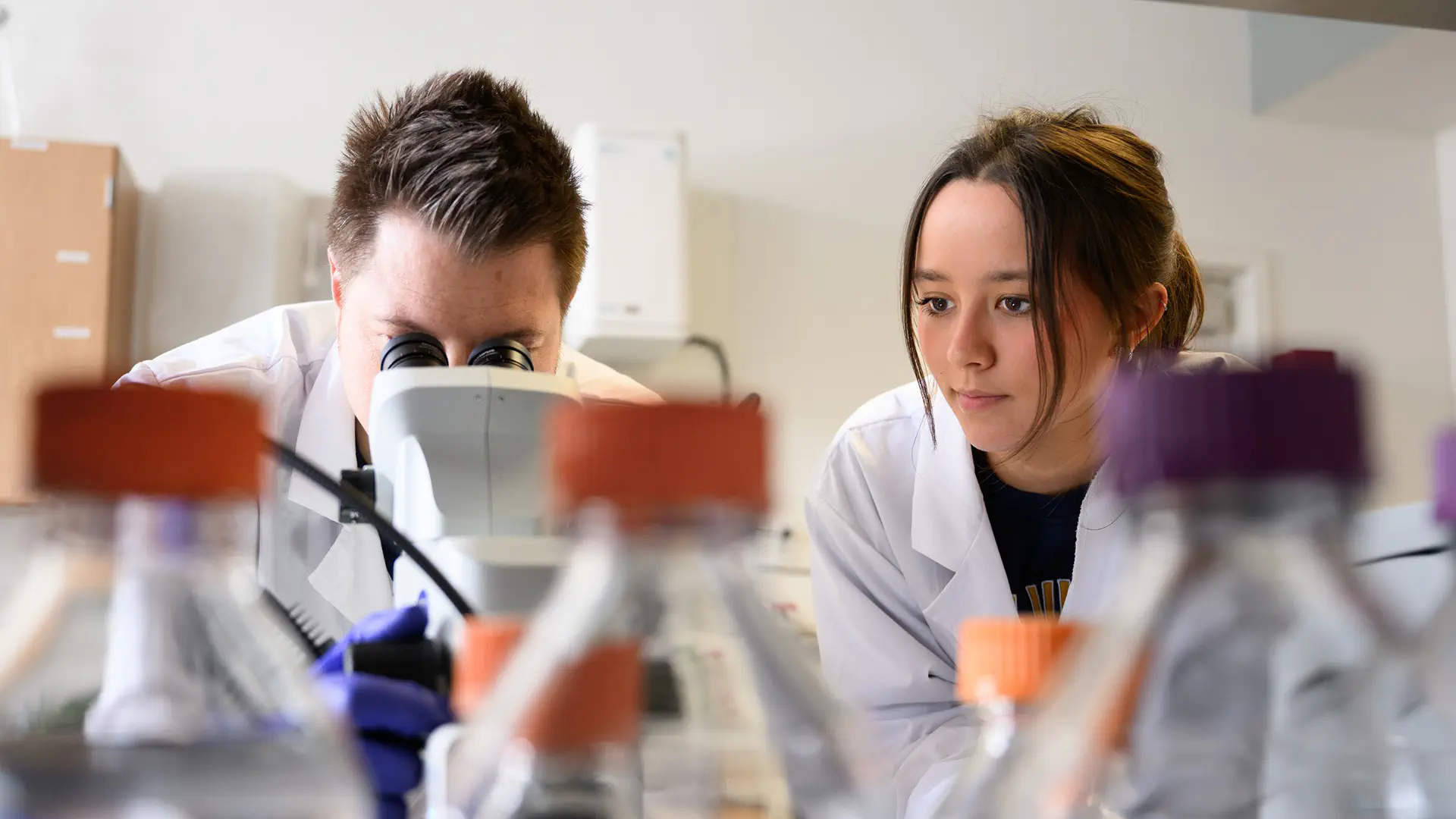
- 60% of graduating seniors have participated in research.
- Every student has an opportunity to engage in basic or clinical research with faculty mentorship including direct access to active laboratories in the Departments of Biology and Psychology and at the Rockefeller Neuroscience Institute (RNI).
- The program offers 2 emphases: behavior neuroscience and cellular, and molecular, and systems neuroscience. This flexibility lets students tailor their studies to their passions and career goals.
- WVU offers the only Bachelor of Science degree in Neuroscience offered in West Virginia.
- Students publish their undergraduate research and contribute meaningfully to research efforts of labs by assisting graduate students and post-doctoral researchers in their research endeavors. (11 majors to date are authors on peer-reviewed publications).
Animal Communication
BIOL 339
Communication mediates most interactions between individuals and the brain dedicates much of its resources to generating and processing these signals. This course examines why and how animals communicate, the physiological mechanisms involved in generating/sensing communication signals, how evolution shapes communication, and how communication signals can influence decision making.
Neuroethology
BIOL 439
Explores the way sensory systems process information to mediate behavior in a wide variety of animals in order to understand similarities and differences in neural mechanisms.
Neurobiological Diseases
BIOL 475
The physiological mechanisms of neurobiological diseases. Impact of neurobiological diseases on society. Standard and experimental treatments. Current research.
Sensory Neural Systems and Behavior
BIOL 478
This course explores how brains acquire information about the external world and process this information to produce sensory perceptions. Students gain a deep understanding of sensory transduction and neural processing at the cellular, network, and systems levels. Additionally the class is aimed at enhancing science communication.
Principles of Systems Neuroscience
BIOL 479
Fundamental principles of nervous system organization with an emphasis on interactions between neurons and the consequences for behavior. There will be a focus on recent advances in our understanding of each organizational principle.
Behavior Principles
PSYC 302/302L
Principles of behavior and learning and the significance of these principles for psychological theory and application; laboratory exercises and demonstrations.
Perception
PSYC 425
Survey of the structure and function of human sensory systems (primarily visual and auditory), perceptual issues, and theories.
WVU Honors College
Students can be a part of the WVU Honors College and participate in either program offered: Honors Foundation or Honors in Action.
Student Organizations
Students can join student organizations including Beta Psi Omega (Biology Honors Fraternity), Psi Chi (International Honor Society in Psychology), WVU Neuroscience Club, and the Psychology Club.
Professional Organizations
Students can get connected with professional organizations including International Society for Neuroethology and American Psychological Association.
Study Abroad
Students can study abroad within this program.
Advising
The program has a dedicated 3-person Neuroscience advising team, allowing advisers to tailor each student’s 4-year plan to their professional goals, whether they intend to pursue medical school, graduate training, or careers in industry.
Further Your Education
Students graduating from this program often continue their education and go onto Medical school to study neurology, neurosurgery, and psychiatry or onto graduate programs and receive a MS or PhD in neuroscience, biology, psychology, or genetic counseling.
Industry Growth
Employment of neurosciences and medical sciences occupations plans to grow by 9% through 2034, according to the U.S. Bureau of Labor Statistics, which is much faster than the average.
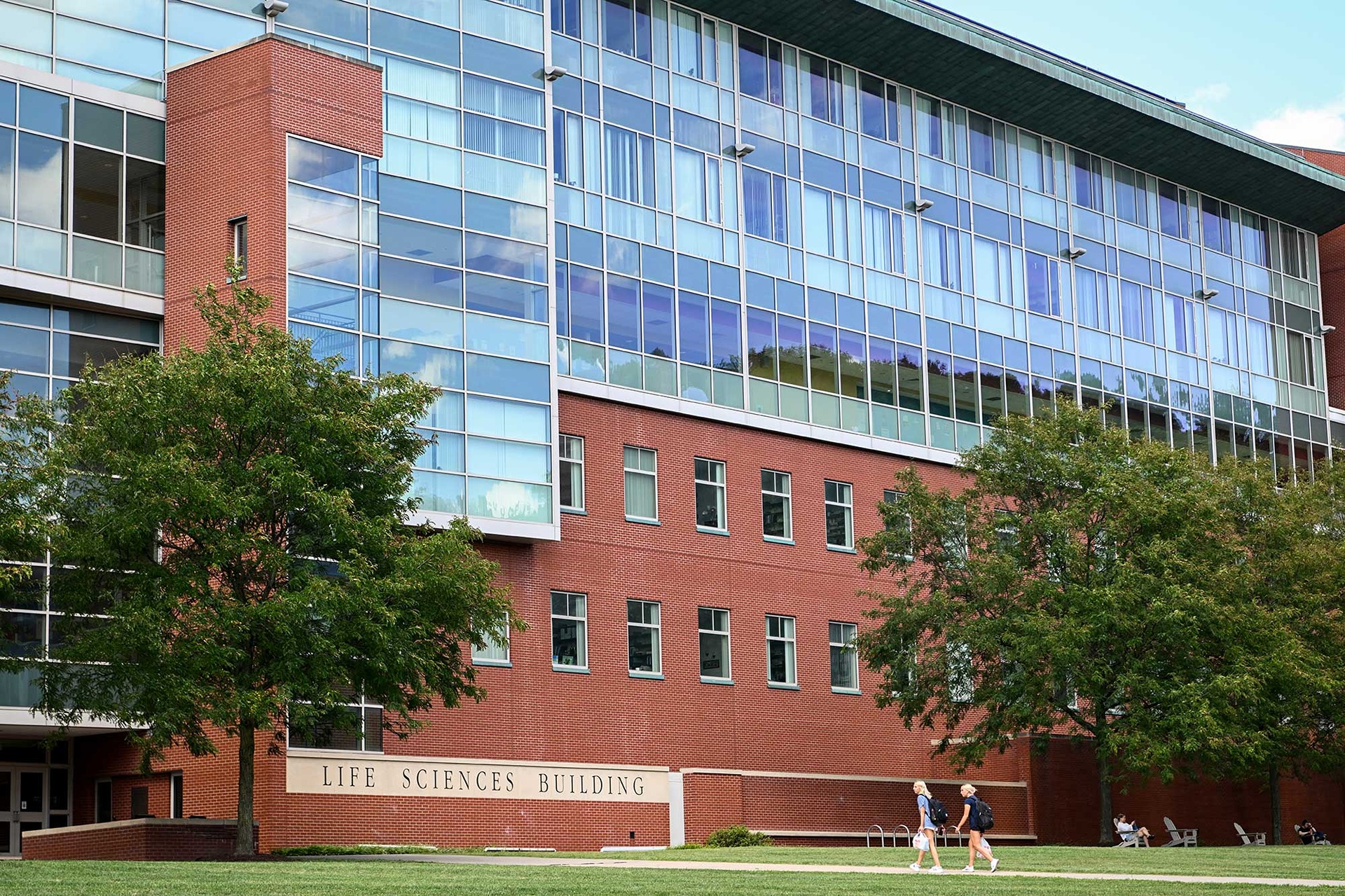
Life Sciences Building
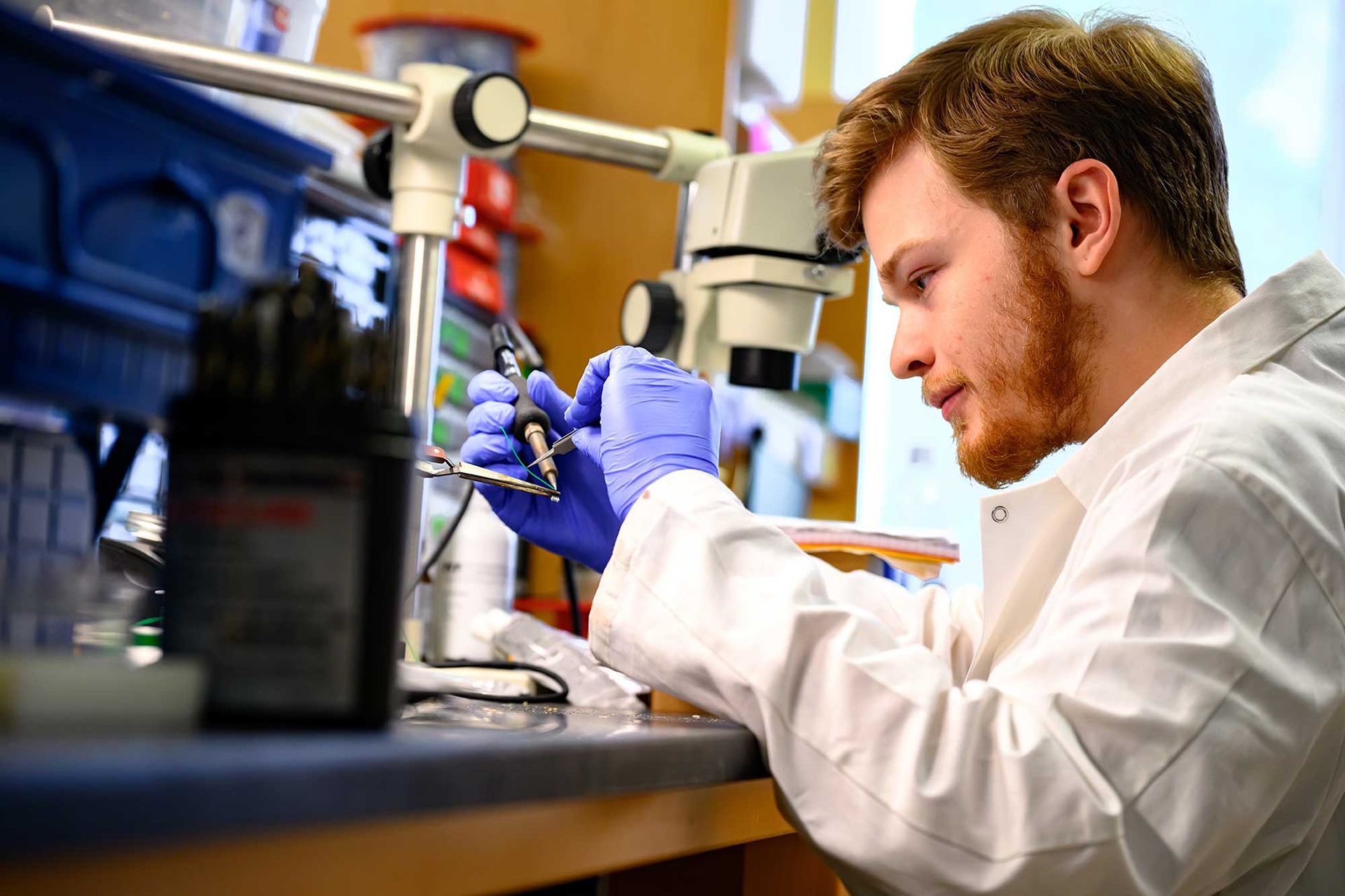
Rockefeller Neuroscience Institute
A community that inspires, supports, and leads
Brainiac
"No one will ever figure the brain out completely. It’s such a complex structure, so resilient and mysterious."
Brainiac
"No one will ever figure the brain out completely. It’s such a complex structure, so resilient and mysterious."

WVU neuroscientist searches for reasons for resiliency in brain
"I think we are all neuroscientists, really, at the end of the day. It is all deeply interconnected with our nervous system, so we’re all linked to neuroscience in one way or another."
WVU neuroscientist searches for reasons for resiliency in brain
"I think we are all neuroscientists, really, at the end of the day. It is all deeply interconnected with our nervous system, so we’re all linked to neuroscience in one way or another."
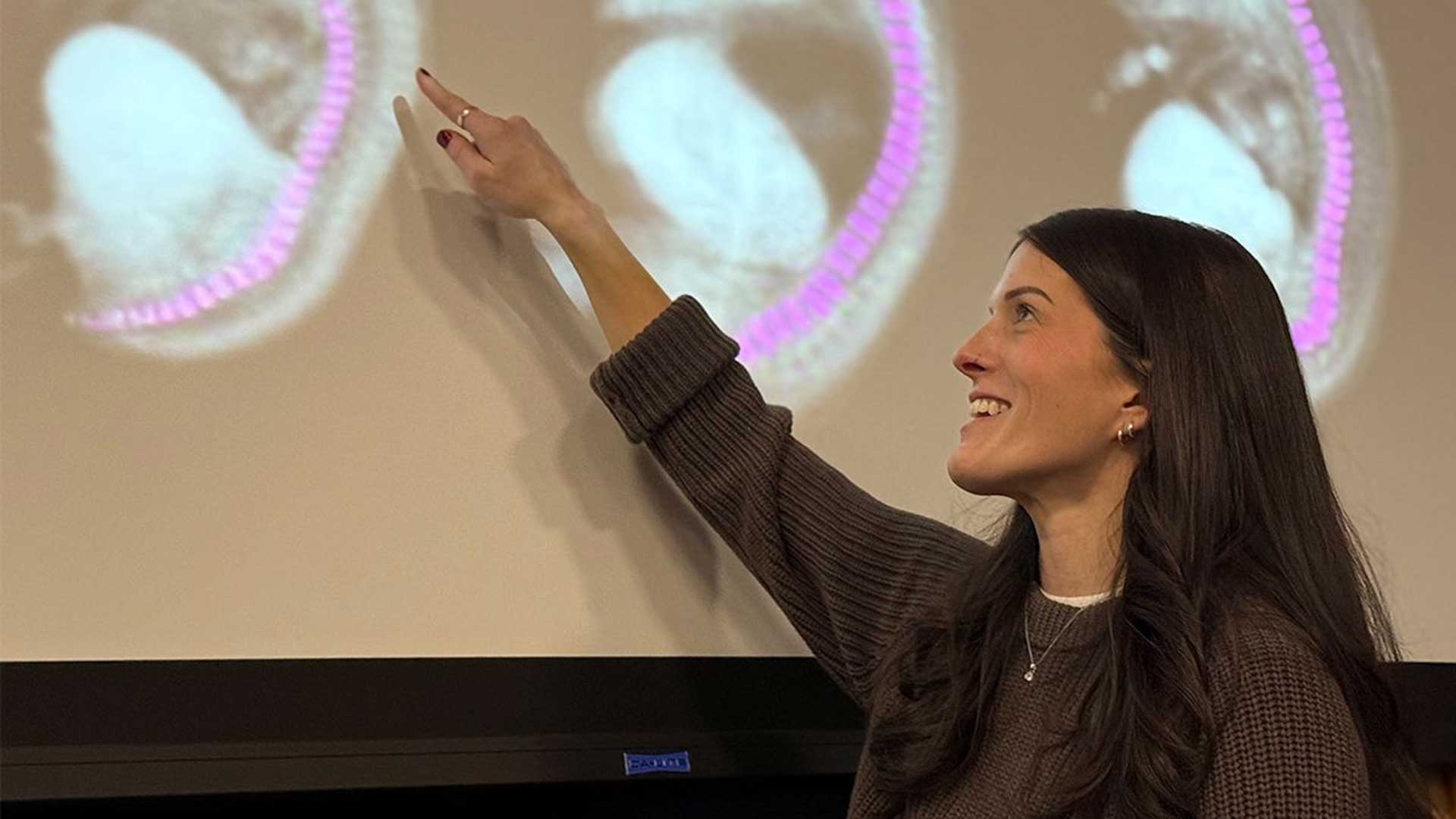
Faculty Feature: Becca Coltogirone
"I feel most in my element in a classroom, helping students build confidence in science."
Faculty Feature: Becca Coltogirone
"I feel most in my element in a classroom, helping students build confidence in science."
Request Info
Want to know more about Neuroscience at WVU? Fill out our request form to receive more information.
Visit
Experiencing campus is the best way to see if WVU is the right fit. Choose from in-person and virtual options.