
Music Therapy, BM
The Music Therapy major pairs traditional music instruction and music therapy education alongside foundations in human development, psychology, human systems, and research, in addition to the University’s General Education Foundations. You’ll gain expertise in the 3 areas required by the American Music Therapy Association:
- Musical foundations
- Clinical foundations
- Music therapy foundations
Graduates are eligible to sit for the national board certification exam to obtain the credential MT-BC (Music Therapist-Board Certified), which is required for professional practice in the U.S.
Acceptance to the Music Therapy Program requires admission to WVU and a successful audition and interview. Your audition also may qualify you for a School of Music scholarship.
Your Degree Plan
The National Association of Schools of Music and the American Music Therapy Association have rigorous standards for music degrees in music therapy. Our program optimizes learning outcomes to meet the accreditation standards set by both NASM and AMTA.
Instrument Proficiency
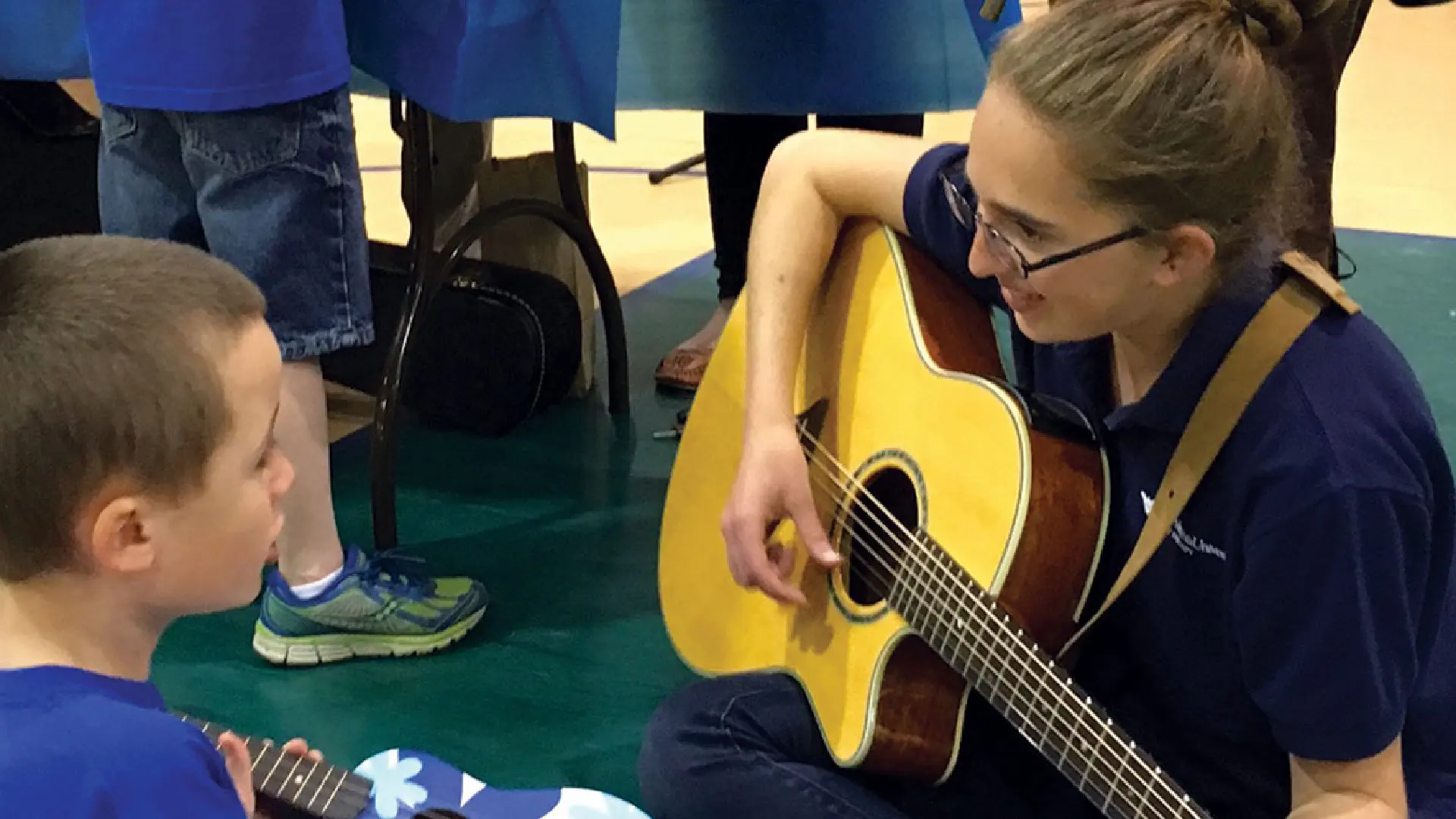
To be admitted to Music Therapy, you will audition on the principal instrument of your choice. You’ll also learn piano, guitar, and voice skills as part of the program.
Courses
Music Therapy majors take classes in fundamental musicianship, music therapy ,and foundations in human functioning and behavior. You’ll study related areas, such as psychology, human development, health sciences, and basic research.
The curriculum also addresses the other foundational skills and competencies necessary to become a board-certified music therapist, including advocacy, ethics, professional development, and preparation for the Board Certification Exam.
Clinical Experience
The program includes 6 clinical practica in the Morgantown area with a variety of populations and a 900-1,200 clinical hour internship experience (approximately 6 months full-time). You will begin practicum courses during your sophomore year, where you will provide supervised music therapy services to members of the community each week. Practica are taken concurrently with lecture-based Music Therapy courses, providing both in-class and community-based learning components.
The successful completion of the internship experience is required for the degree to be awarded and to be eligible for the national board certification exam (MT-BC) through the Certification Board for Music Therapists.
Add a Minor
Many students choose to expand their specialized learning with a minor, though it is not required. Popular minors for Music Therapy students include World Music, Psychology, and Addiction Studies.
Introduction to Music Therapy
MUSC 185
This course provides an overview of the music therapy profession including: history, therapeutic approaches, clinical processes, populations served, and current professional issues. Readings, lectures, community engagement, clinical video observation and experience will allow you to examine general principles of music therapy and gain understanding regarding the use of music as a viable therapeutic medium across a variety of populations.
Music Therapy Class Guitar 1
MUSC 137
Required introductory level training in guitar for those majoring in the field of Music Therapy.
Clinical Foundations of Music Therapy
MUSC 205
This course discusses and demonstrates basic clinical foundations of the music therapy profession including treatment process, methods of delivery, considerations necessary in a therapeutic relationship, and the professional role of the music therapist.
Principles and Practices of Music Therapy
MUSC 330
Course provides foundational principles and practices when serving clients with learning, neurological, motor, and medical issues, including but not limited to: Characteristics and needs; research literature on music therapy with these populations; applications to clinical work.
African Music Ensemble
MUSC 356
Performing ensemble focusing on music of Africa culminating in a semester concert.
Psychological Foundation of Music
MUSC 444
This course provides students with understanding of how music influences human behavior, including but not limited to, physical, psychological, and physiological responses to various aspects of music and how responses are utilized in the therapeutic process.
Music Therapy Internship
MUSC 485S
Students will complete a minimum of 900 hours of supervised clinical training at either an AMTA approved National Roster Internship Site or a University-affiliated Internship site.
Introduction to Psychological Disorders
PSYC 281
Introduction to major categories of psychological and behavioral disorders, including mood disorders, anxiety disorders, substance-related disorders, psychotic disorders, and personality disorders. Etiology, prevention, and treatment will be discussed.
Honors
Expand your curiosity and enhance your curriculum through the WVU Honors College. Two programs are offered: Honors Foundations and Honors in Action.
The WVU Difference
What sets this program apart?
- WVU is the 1st and only AMTA-approved music therapy degree program in the state of West Virginia.
- Clinical faculty at WVU Medicine offer music therapy practicum opportunities at J.W. Ruby Memorial Hospital, WVU Medicine Golisano Children’s, Healthy Minds – Morgantown, and the WVU Health Sciences Center.
- You can request consideration for a University Affiliated Internship to intern in a location of your choice.
- Individual lessons on a primary instrument and group instruction on piano, guitar, and voice.
- Many opportunities for participating in world music ensembles and experiences.
- Students are typically placed at 6 unique practicum sites to maximize learning and exposure while at WVU.
- WVU Student Music Therapy Association volunteers, fundraises, and provides learning opportunities.
- Moderate class sizes emphasize individualized instruction and support.
- Program resources include a large variety of musical instruments for use in classroom learning and clinical work.
- Resources to attend conferences, concerts and other professional opportunities through AMTA, SMTA, and the College of Creative Arts and Media.
Learn by Doing
Get involved outside the classroom.
- You’ll start community work in your 2nd year through practicum courses and service-learning in music therapy lecture courses.
- The program includes 6 semesters of practicum fieldwork, allowing you to take what you’ve learned in the classroom and provide supervised treatment services with diverse populations and settings, ranging from young children to older adults.
- You’ll complete one music therapy lecture-style course each semester, with opportunities to practice clinical skills, workshop ideas, and receive constructive feedback in real time.
- Courses include applied (private) lessons and a wide variety of performance opportunities, both in large ensembles (band, orchestra, choral, jazz and opera) and smaller chamber ensembles (string, brass, woodwind, percussion, vocal, jazz, and world music).
- In the final semester, you’ll take Evidence-Based Practice in Music Therapy and independently design and write a mini research proposal as your degree capstone project.
- The Evansdale Library, just a short walk from the Canady Creative Arts Center, houses printed and sound music resources.
- Student Music Therapy Association
- Phi Mu Alpha Sinfonia
- Kappa Kappa Psi
- Sigma Alpha Iota International Music Fraternity
View all of the student organizations you can join.
Careers and Outcomes
How does this degree prepare students for a career?
Music Therapists
Has a Bright Outlook
Median Salary: $65,010
Possible Job Titles: Board Certified Music Therapist (MT-BC), LCAT (Licensed Creative Arts Therapist), Music Therapist, Neurologic Music Therapist
Career options
Music therapists provide services for persons with various diagnoses and are usually members of an interdisciplinary healthcare team.
Music therapists are employed in a variety of settings, including:
- General and psychiatric hospitals
- Schools
- Community mental health agencies
- Rehabilitation centers
- Day care facilities
- Senior living communities
- Correctional facilities
- Private practice
Places and Spaces
See where you’ll study, research, and create.
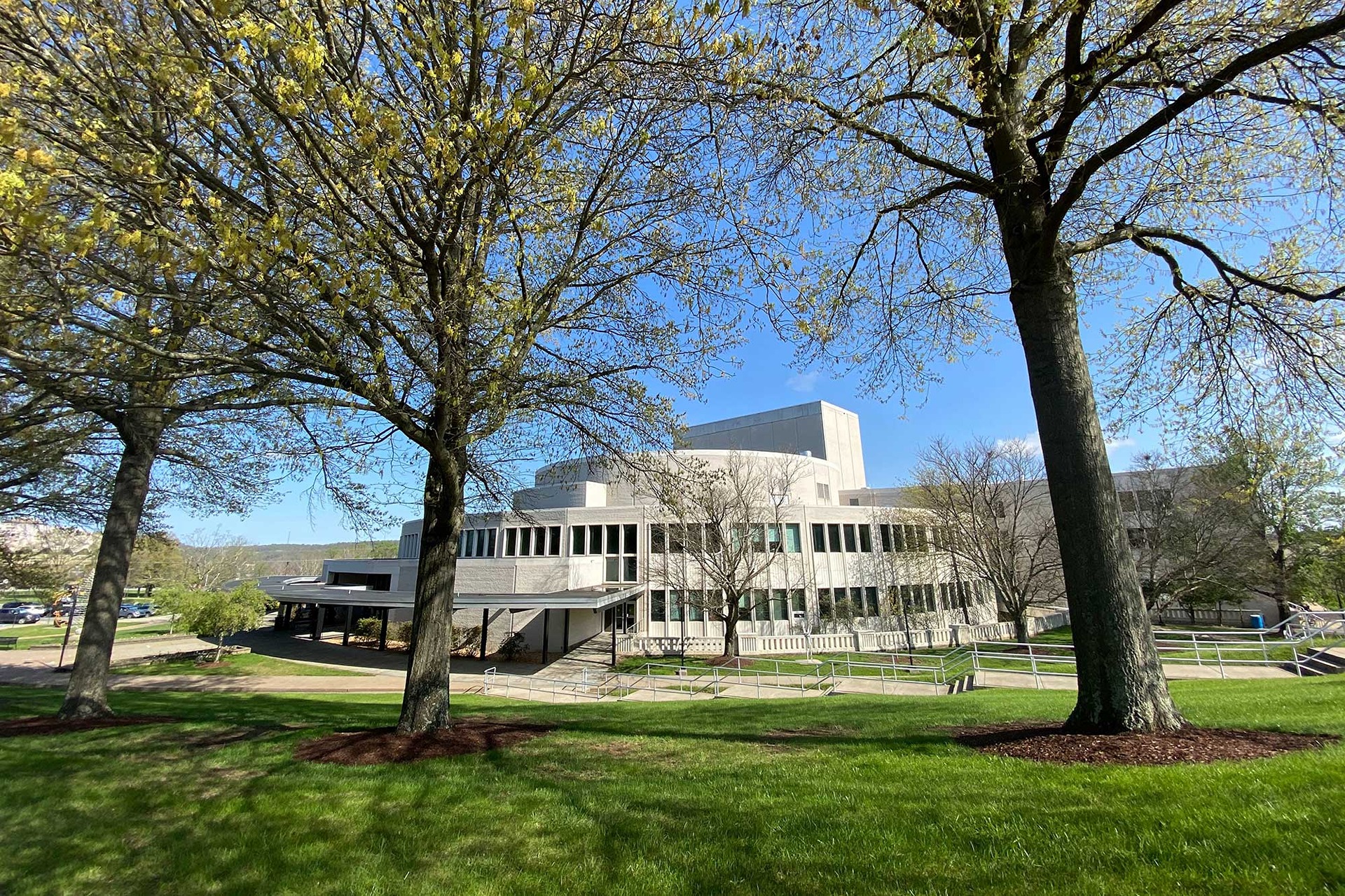
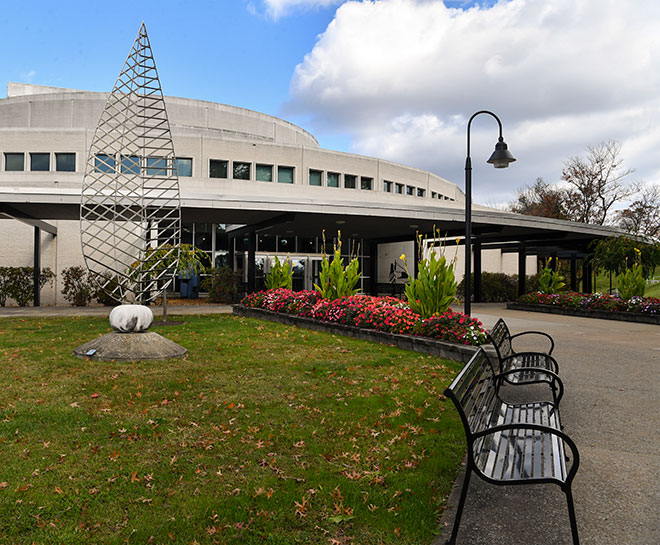
Canady Creative Arts Center
Virtual Tour
It’s the next best thing to being here. Virtually tour our campus and residence halls.
Student Life
You'll experience epic traditions, quality academics, and a supportive community that feels like home.
Visit
See WVU in person and start imagining life as a Mountaineer.
Admission Requirements
To be admitted to the Music Therapy major, first-time freshmen must meet WVU's first-time freshman admission requirements. Interested in transferring? Review the transfer admission requirements.
Tuition and Aid
How much does Music Therapy at WVU cost? And how can you save?
Tuition and Fees
Estimated rates are available on our tuition website. Anyone who is not a current West Virginia resident, including international students, will be charged non-resident rates.
Ways to Save
Beyond scholarships, here are other ways to reduce your cost of attending WVU.
Financial Aid
The most important step toward funding your future with financial aid for the Music Therapy, BM is submitting the Free Application for Federal Student Aid, or FAFSA.
Start at Another WVU Campus
You can start your career with WVU at another campus and transfer to WVU Morgantown.
Transfer Articulation Agreements
To simplify the transfer process, we have formal agreements with certain institutions. These agreements outline the courses you should take to prepare for transferring to WVU.
Review the full list of transfer articulation agreements to see if your institution is listed.
Request Info
Want to know more about Music Therapy at WVU? Fill out our request form to receive more information.
Visit
Experiencing campus is the best way to see if WVU is the right fit. Choose from in-person and virtual options.