
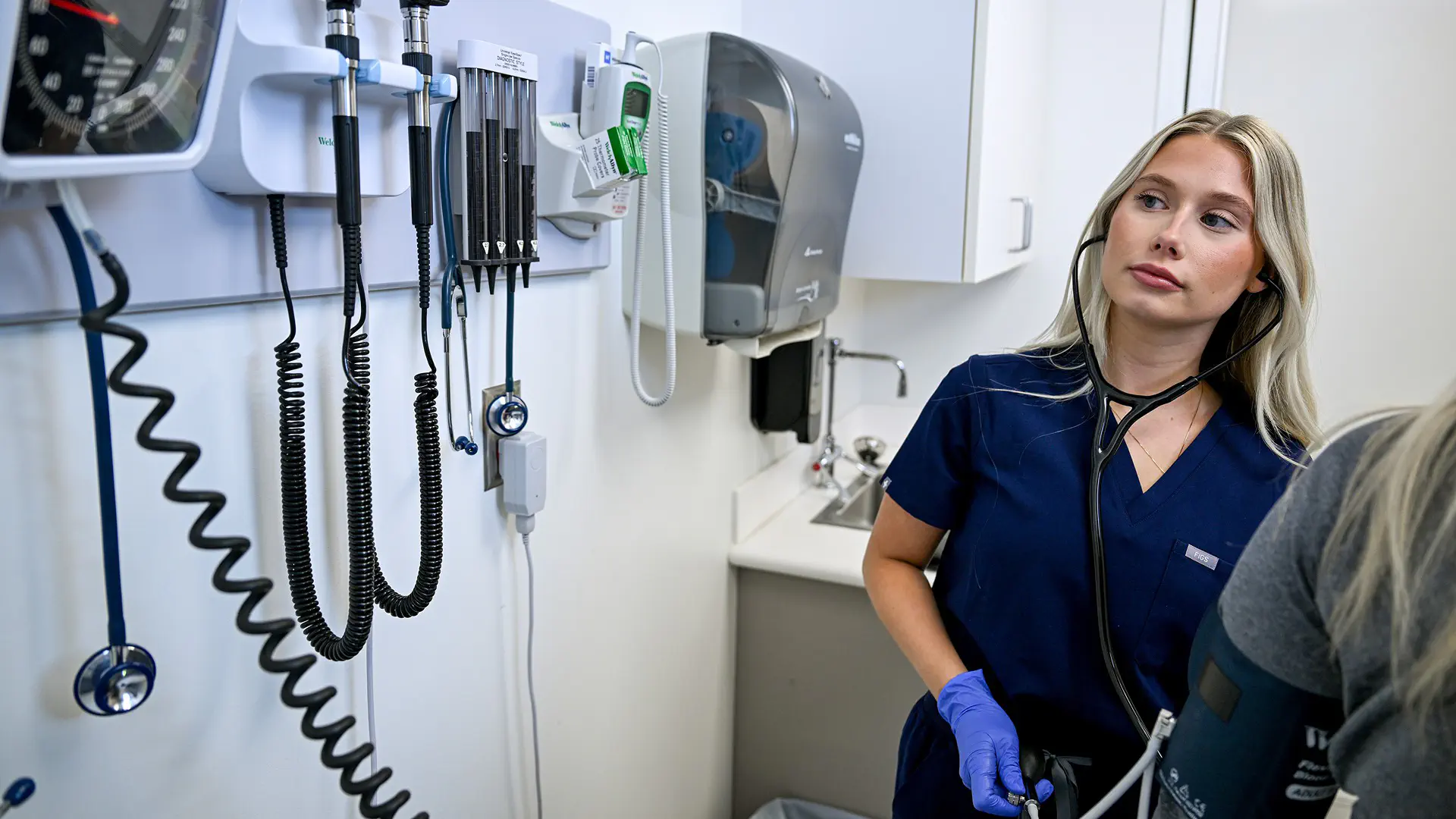
Exercise Physiology, BS
Academics
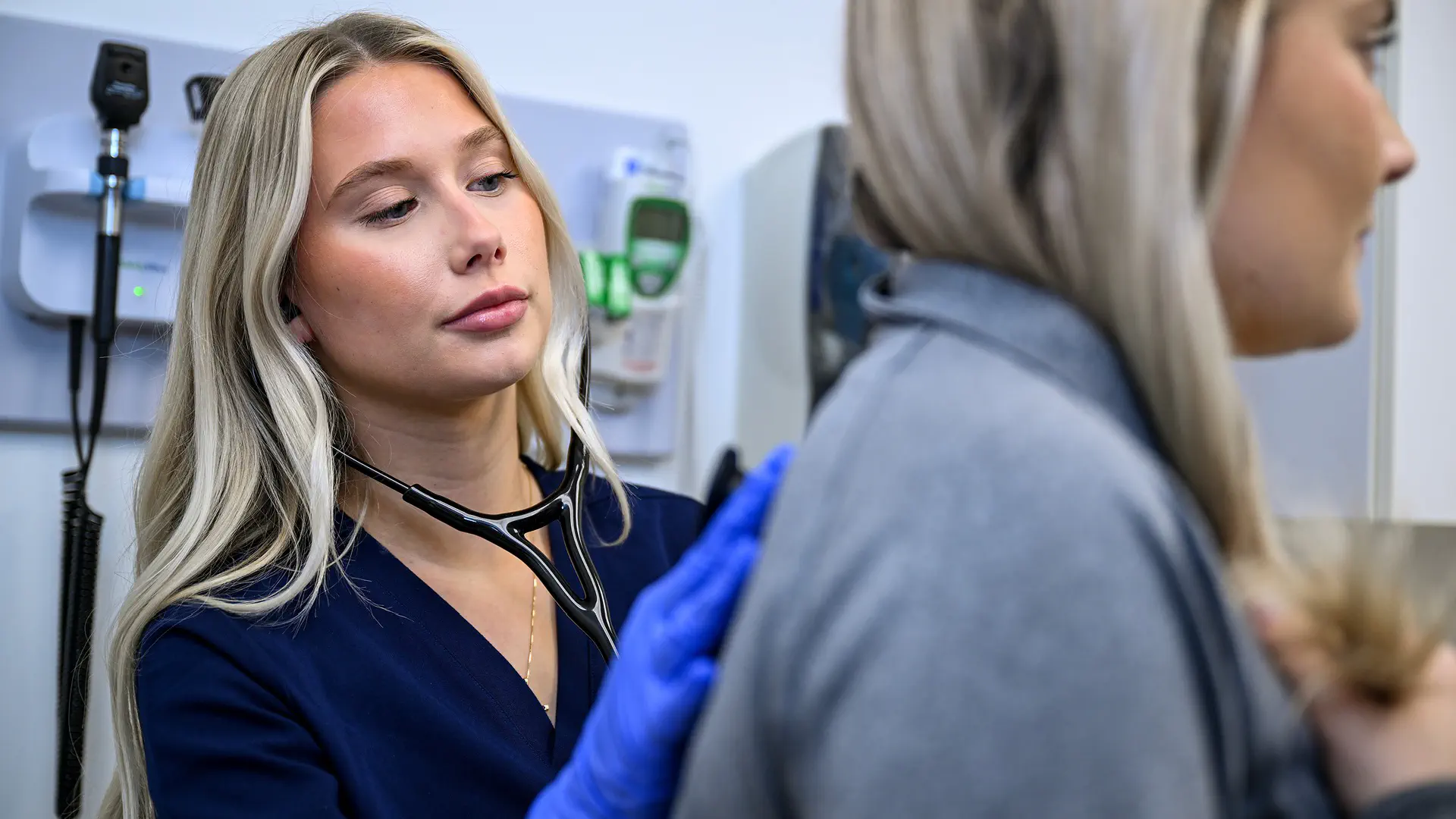
- WVU’s exercise physiology program is housed within the School of Medicine and within the larger Health Sciences Center, providing students with points of connection to faculty, students, and resources in other health-related programs. This allows our undergraduate students to learn from the same professors who teach graduate and professional students in programs like medicine, physical therapy, and physician assistant studies, making the transition to postgraduate studies, like medical school, much smoother.
- For exercise physiology students at WVU, hands-on learning is just an elevator ride away. Many of our undergraduate students complete their internship experience in our Human Performance Lab, where our experts create customized exercise plans for healthy individuals and those with a range of chronic health conditions – from diabetes to Parkinson’s disease, to those recovering from bariatric surgery or from a heart attack. Others find job shadowing and internship opportunities at WVU Medicine’s flagship J.W. Ruby Memorial Hospital – right next door – or at other sites within the WVU Medicine System and in the community and state.
- WVU exercise physiology offers 2 areas of specialization that are uncommon at the undergraduate level: performing arts medicine and aquatic therapy. Not only does this provide additional employment opportunities, but it also allows our students to stand out as applicants to rehab-focused graduate and professional programs like athletic training and physical therapy.
Exercise Nutrition
EXPH 367
This course prepares future exercise physiologists and pre-health professionals to provide evidence-based nutritional recommendations within their scope of practice by covering human nutrition as it relates to health and wellness, general physical activity, and exercise performance.
Exercise is Medicine
EXPH 461
The primary objective of this course is to examine how exercise is used as a safe and effective treatment for various disease conditions. Additionally, this course will discuss principles of the Exercise is Medicine model set forth by the American Medical Association and American College of Sports Medicine when assessing and prescribing physical activity in individuals.
Introduction to Performing Arts Medicine
EXPH 480
This course introduces students to foundational concepts of performing arts medicine and science. Students are encouraged to enroll in this course if they are interested in performing artists as a patient or client population. This is the introductory course for the area of emphasis in dance science and is also part of the minor in performing arts medicine curriculum.
Internships
Students are required to complete an internship or research class in their senior year.
Exercise Physiology Club
Exercise Physiology Club is 1 of the largest clubs on campus (18th).
Hands-On Learning
Tons of great client-facing hands-on learning experiences, and with a strong alumni network and excellent advising center, it’s easy to get connected.
Industry Growth
According to the U.S. Bureau of Labor Statistics, there is a 9% job growth in the next decade.
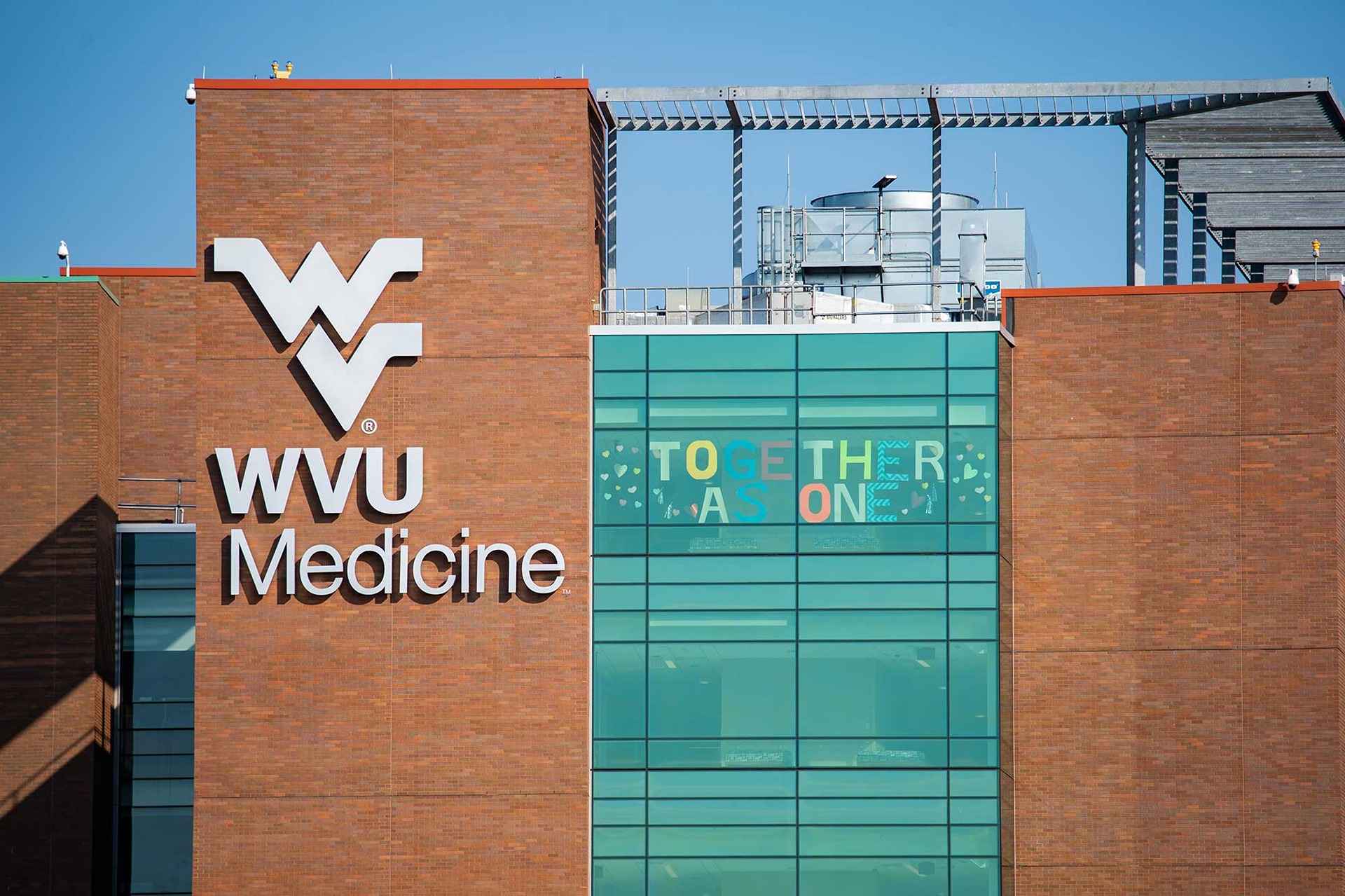
Academic Medical Campus
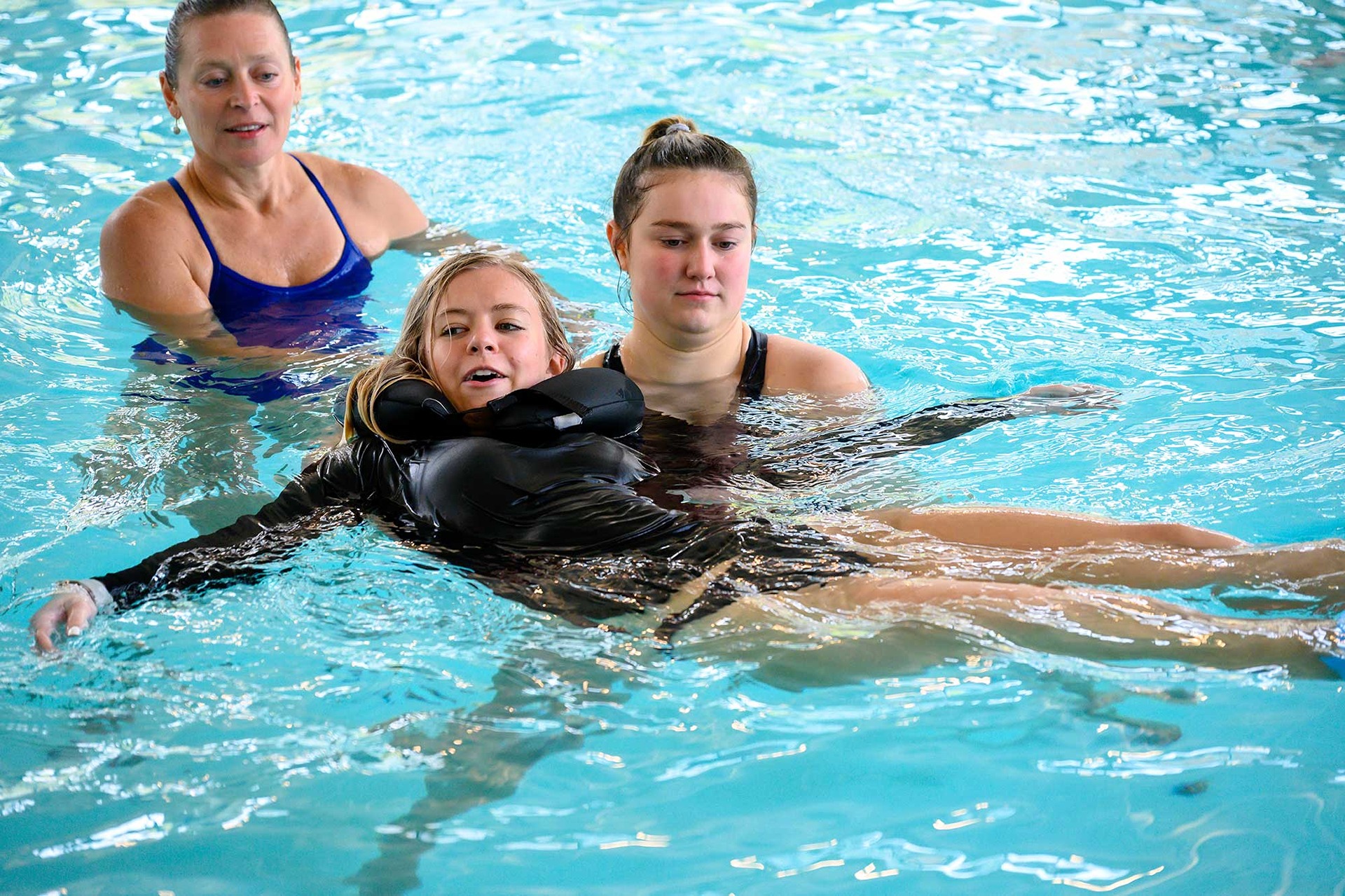
Aquatic Therapy Clinic
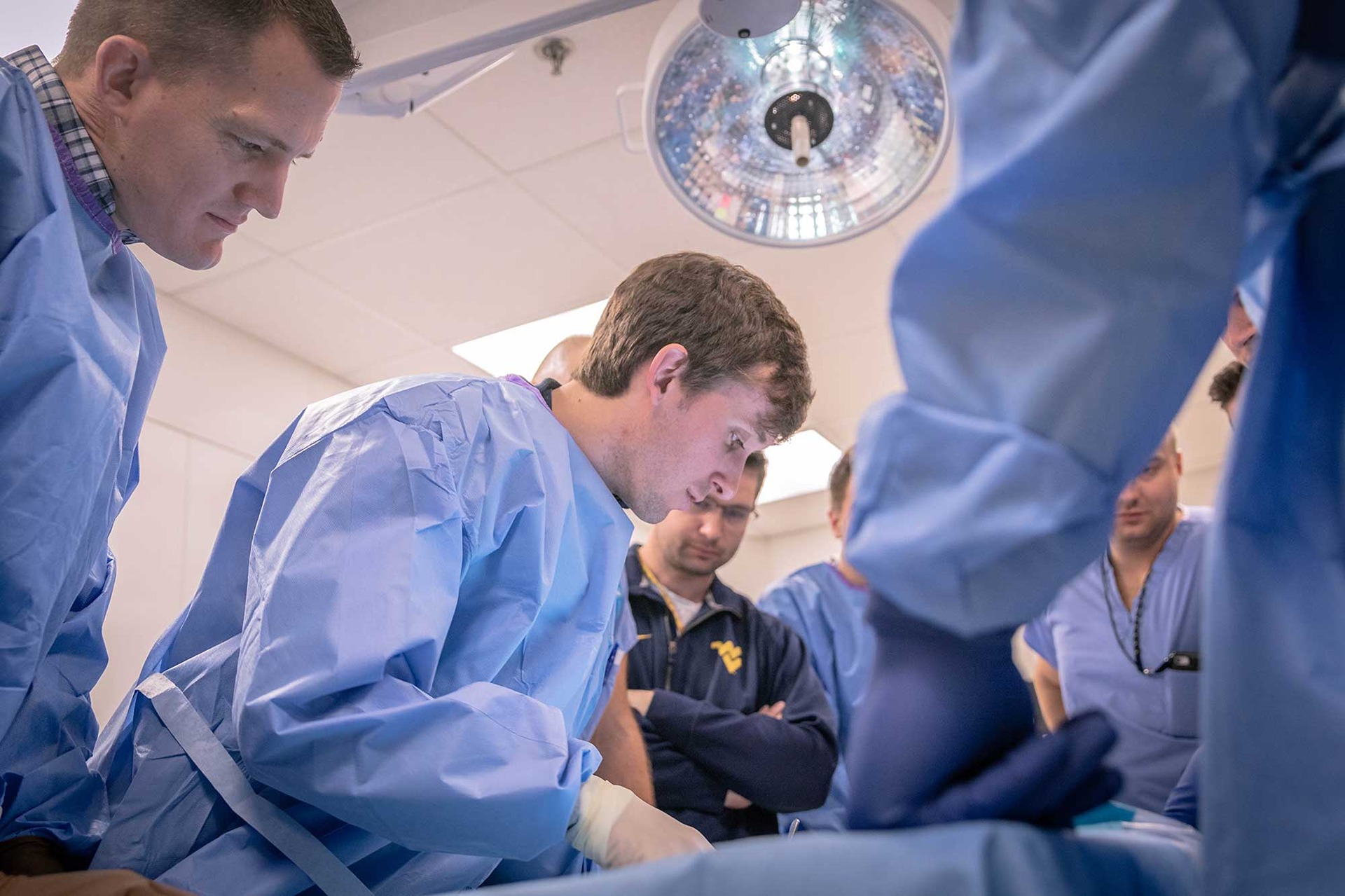
Gross Anatomy Lab
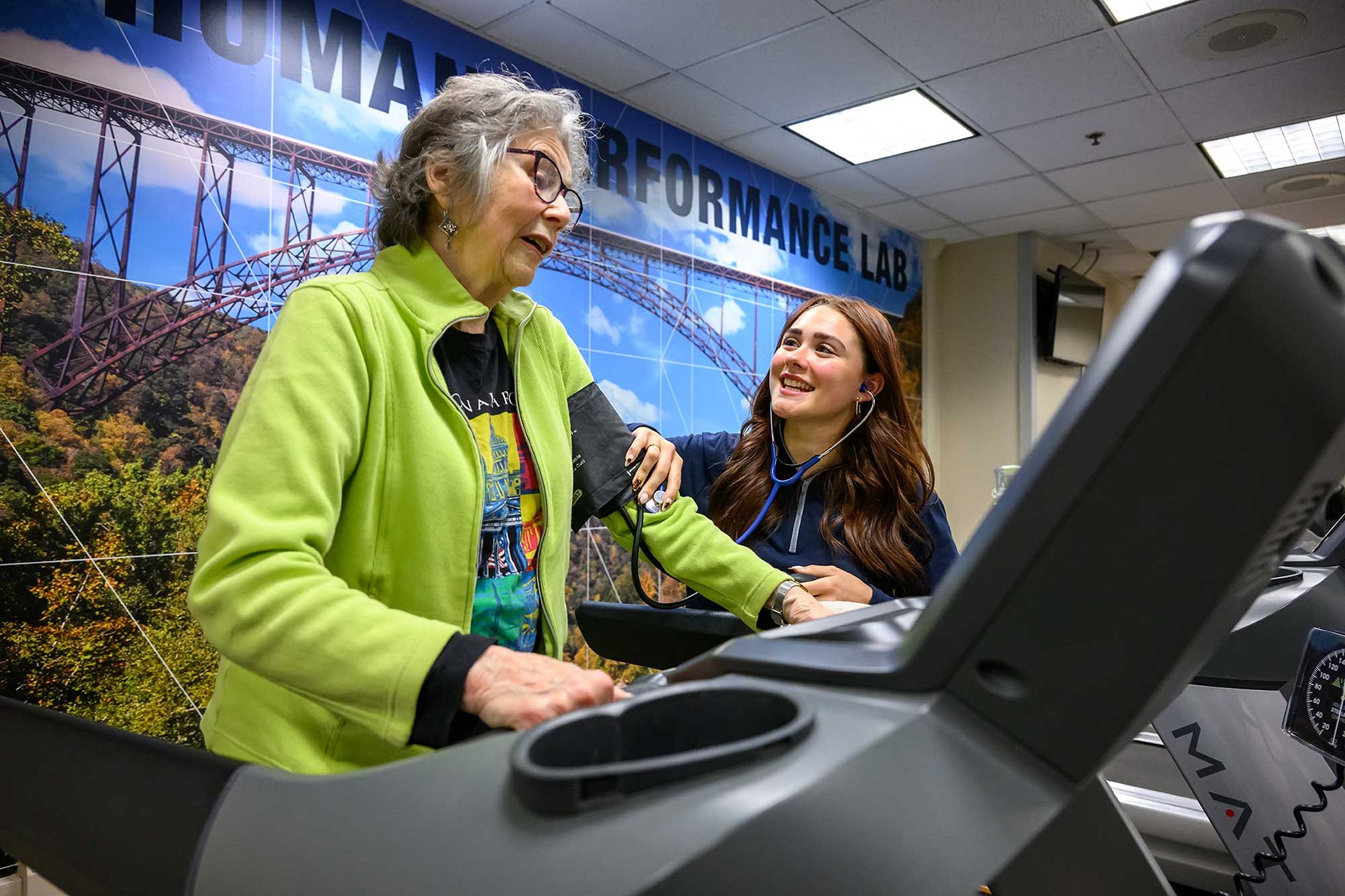
Human Performance Lab
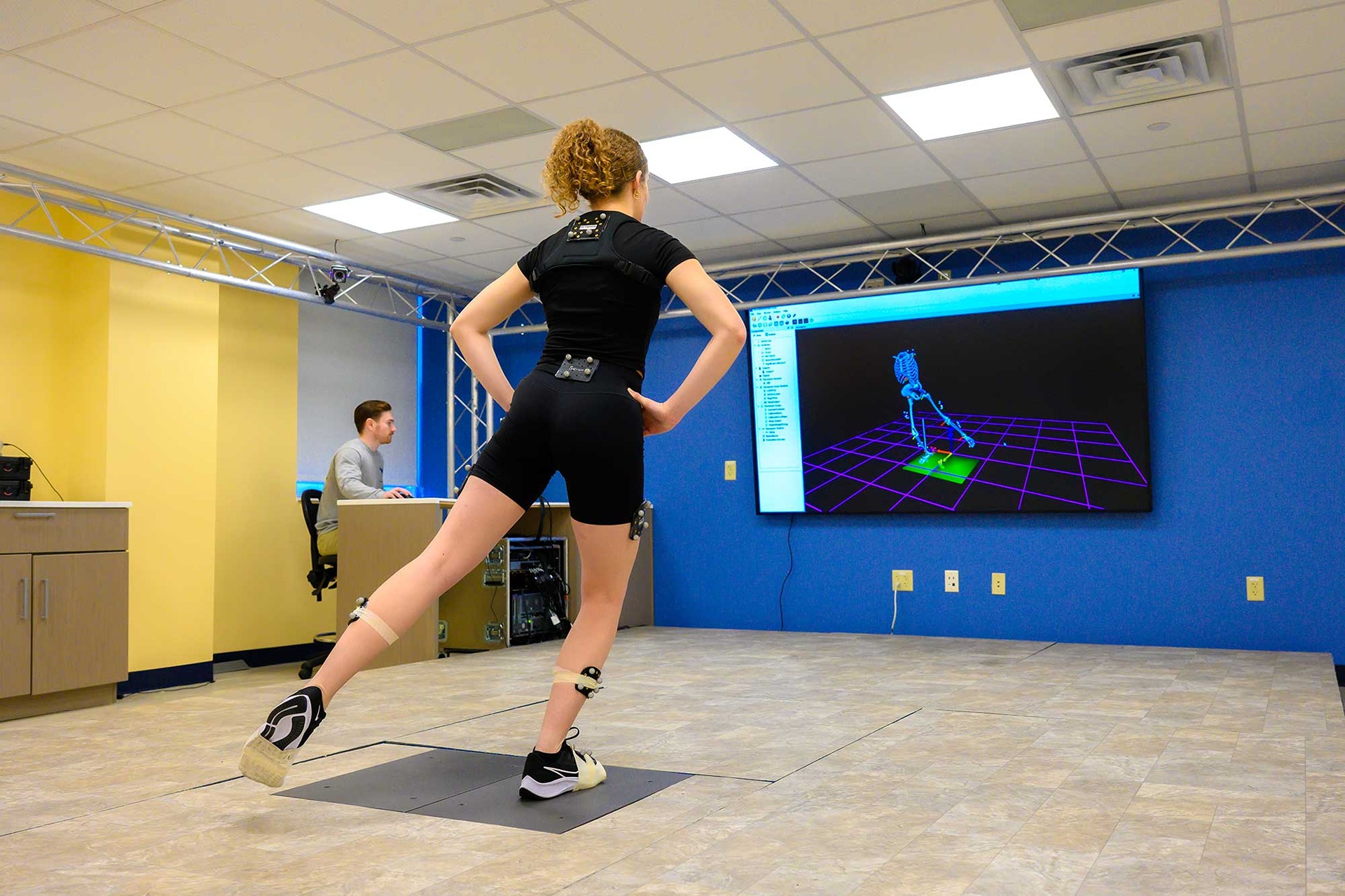
Motion Capture Lab
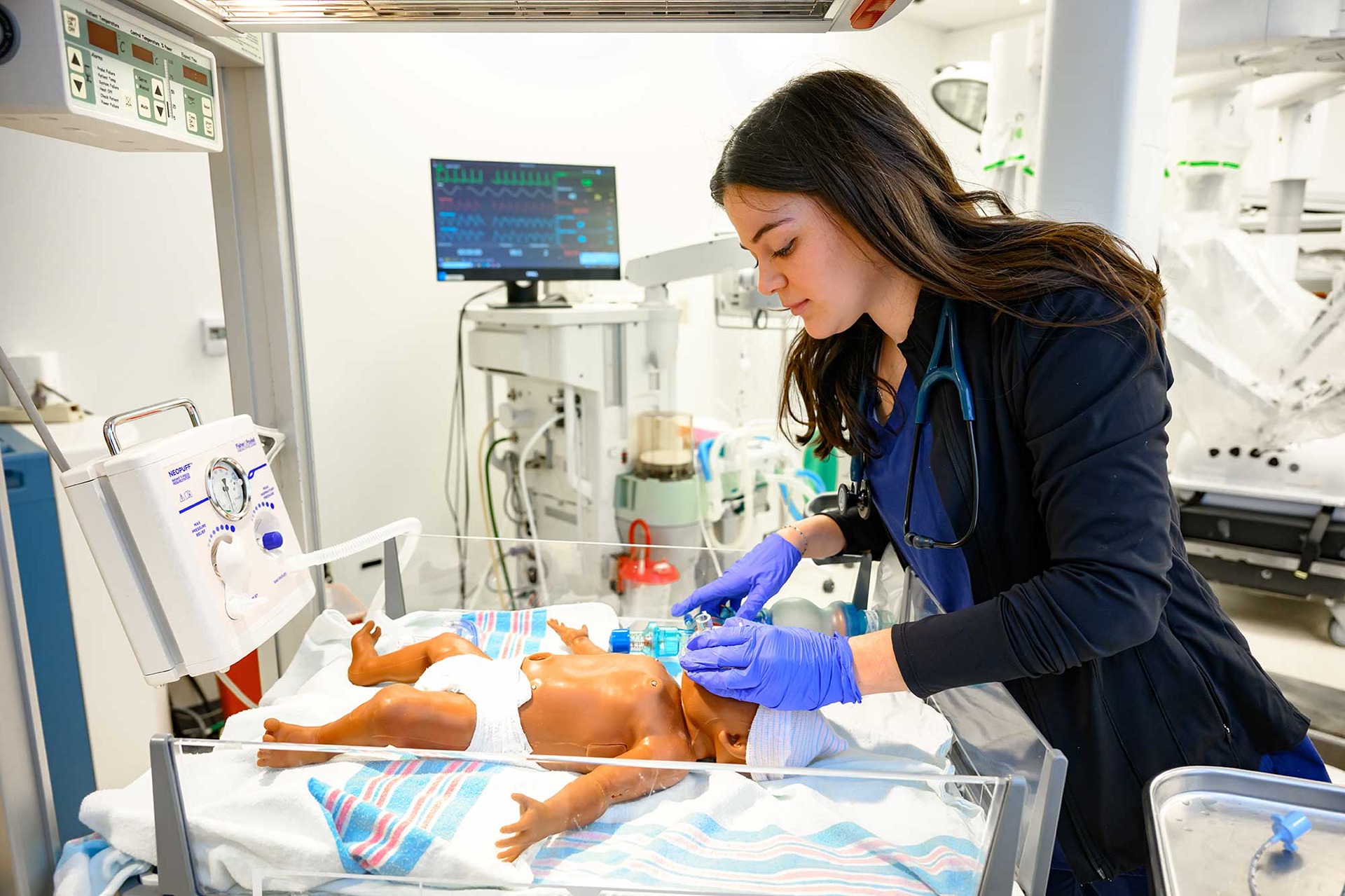
Simulation Training and Education for Patient Safety Center
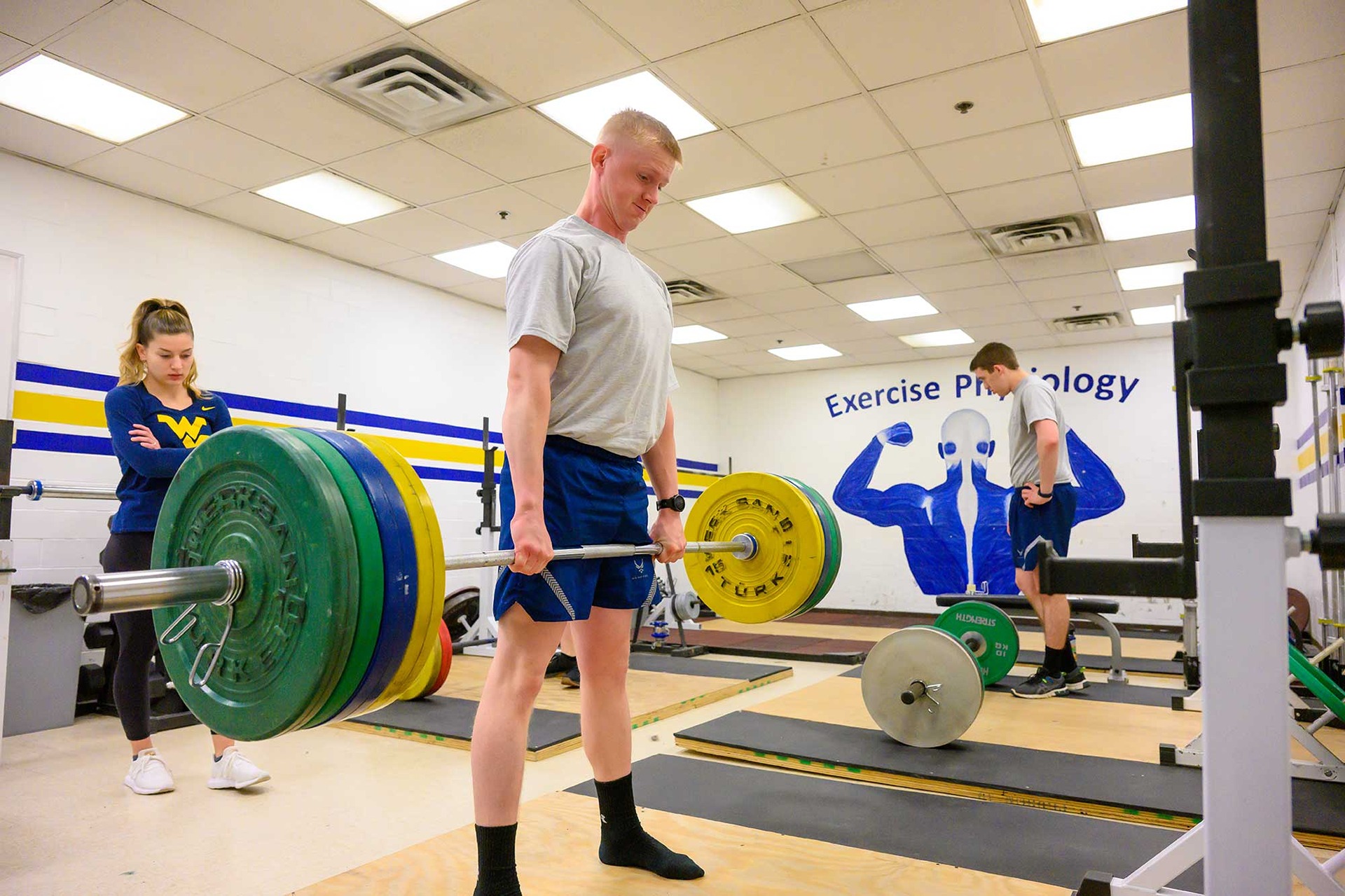
Strength Lab
People Prove Our Point
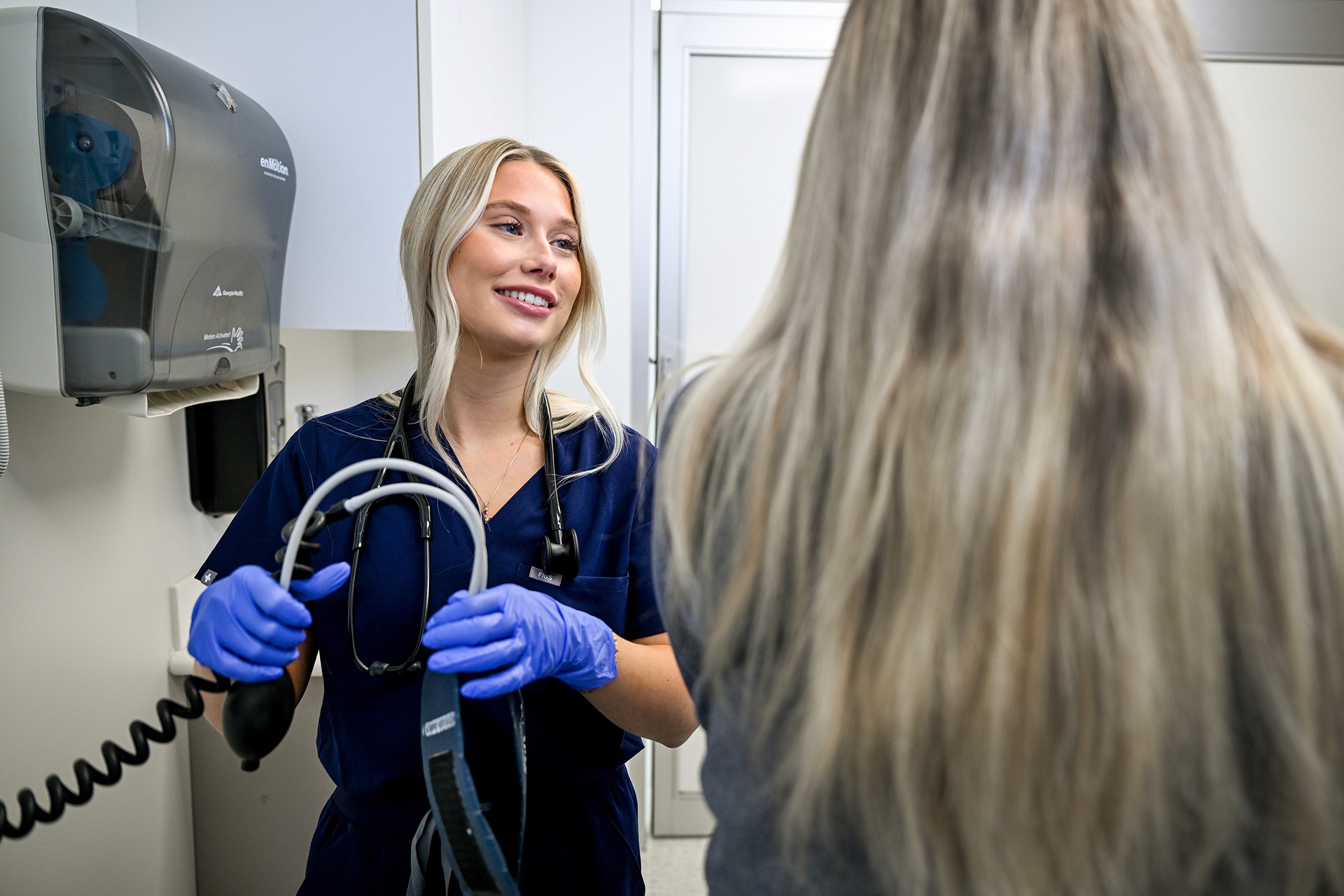
Endurance and Reassurance
Exercise physiology conditions first-generation student to give back to West Virginia
Endurance and Reassurance
Exercise physiology conditions first-generation student to give back to West Virginia
Request Info
Want to know more about Exercise Physiology at WVU? Fill out our request form to receive more information.
Visit
Experiencing campus is the best way to see if WVU is the right fit. Choose from in-person and virtual options.