
Engineering Technology, BS
Hands-on learning begins your first semester and continues through the program. You’ll participate in practical class projects, lab experiences and industry experiences with real-world professionals.
This program prepares you to enter careers in manufacturing process and systems design, operations, quality, continuous improvement, lean manufacturing, and sustainability.
Graduates are eligible for professional registration in many states, including West Virginia, Ohio, and Virginia.
Your Degree Plan
Energy Technology
Engineering Management and Entrepreneurship
Industrial Engineering Technology
Mechanical Engineering Technology
Multidisciplinary Engineering Technology
Honors
Expand your curiosity and enhance your curriculum through the WVU Honors College. Two programs are offered: Honors Foundations and Honors in Action.
Learn by Doing
Get involved outside the classroom.
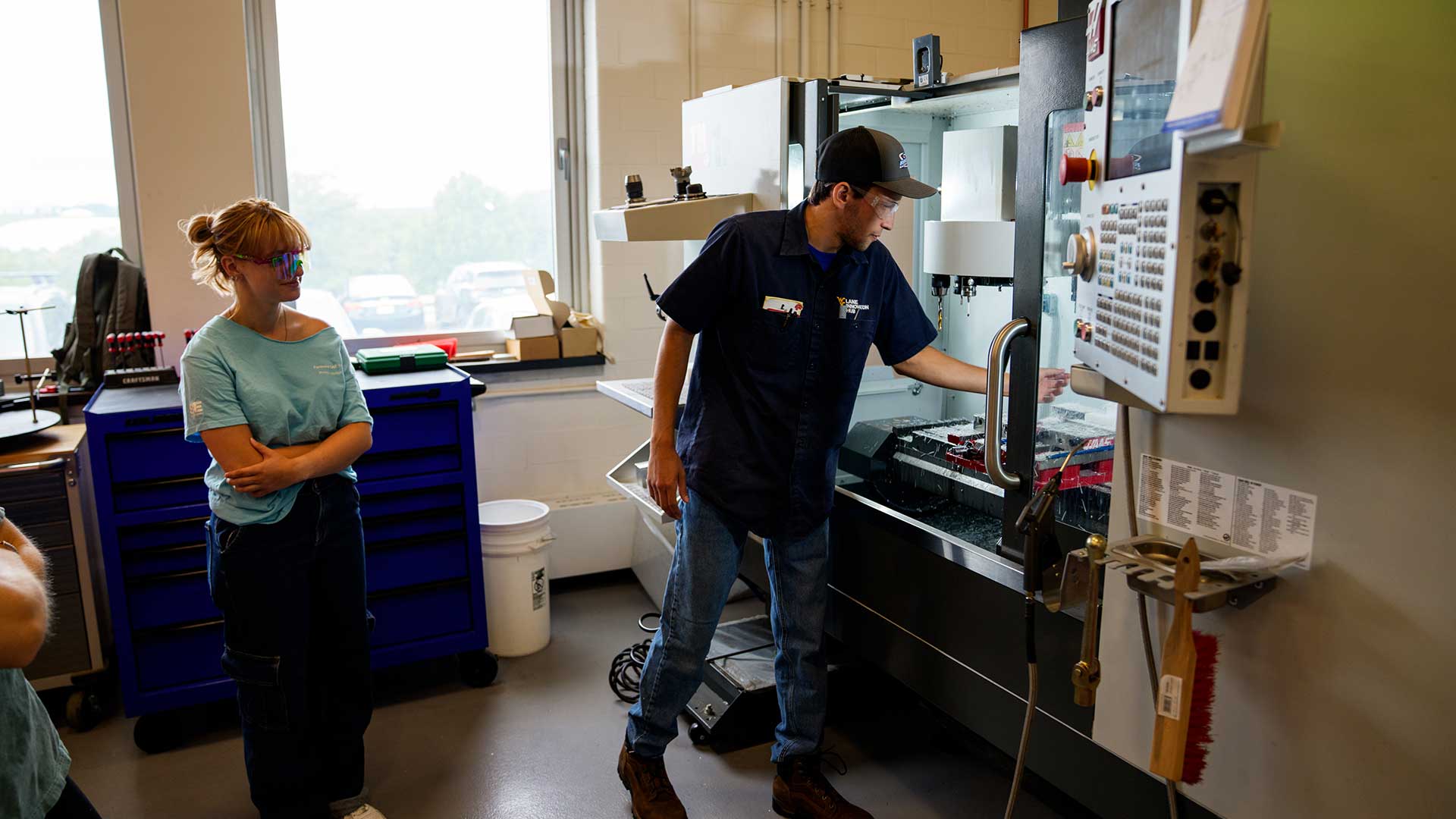
Engineering Technology students earn industry certifications in Solidworks (CSWA and CSWP) and Microsoft Word, PowerPoint, and Excel as they learn about and practice designing, building, testing, installing, maintaining, and refining.
Practical class projects, lab experiences ,and on-site industry engagement teach students to discover how to use the right materials, sensors, electric parts and processes to work, design, and produce efficiently.
Careers and Outcomes
How does this degree prepare students for a career?
Engineering Technologists and Technicians, Except Drafters, All Other
Median Salary: $77,390
FAQs
Common questions and answers about Engineering Technology.
Graduates usually pursue hands-on jobs, like product design, manufacturing, laboratory testing, construction or technical services. Job openings are abundant in West Virginia and across the country.
Companies that hire engineering technology graduates include Boeing, CTL, TRIAD, CEC, March-Westin, First Energy Corp, Shentel, Ford, GM, Toyota, Aurora Flight Services, Northrup Grumman, FedEx Ground, Anderson Windows and Doors, American Electric Power, Lincoln Electric, 3M, Los Alamos National Lab, Eaton, Duke Energy, Oceaneering, and Spherion.
It takes 4 years to complete the Engineering Technology bachelor’s degree program.
Traditional engineering is primarily concerned with research and development. It involves a higher level of math and is much more theoretical, whereas engineering technology focuses more on applying theories.
Someone with an engineering technology degree, like an engineering technician, is really the person who is practicing in the field. For instance, let’s say you work for a cell phone company. You may have an engineer who designs the antenna arrays and phone parts, but if you’re the engineering technician you’re going to take those designs and implement them until the phone works correctly. If you’re looking for a career that is more vocational rather than theoretical, and you want to be involved when it comes to deploying designs and equipment or troubleshooting and repairing technologies, then engineering technology may be a good fit for you because that’s often the kind of work you’ll do in the field.
Places and Spaces
See where you’ll study, research, and create.
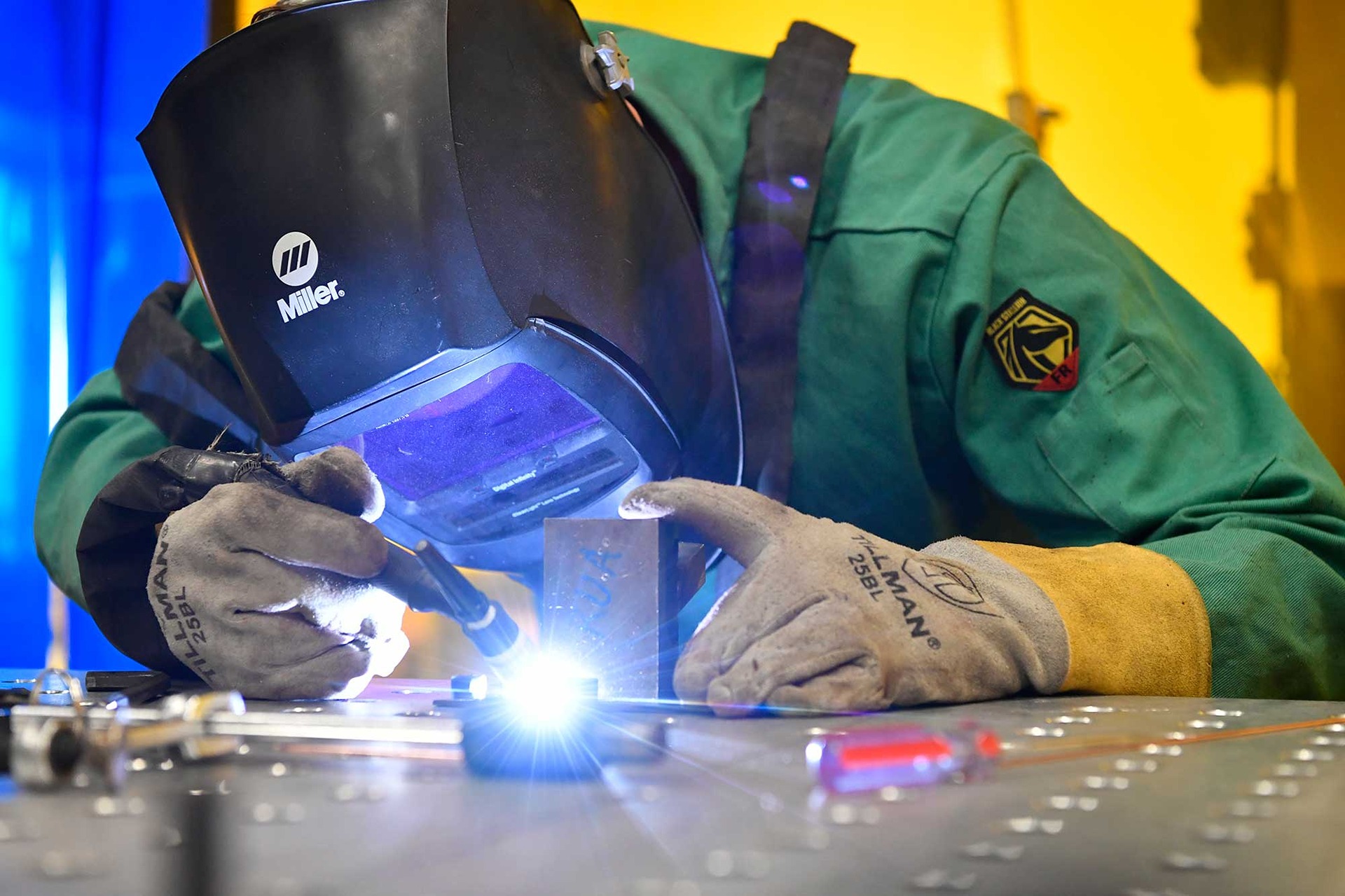
Lane Innovation Hub
Virtual Tour
It’s the next best thing to being here. Virtually tour our campus and residence halls.
Student Life
You'll experience epic traditions, quality academics, and a supportive community that feels like home.
Visit
See WVU in person and start imagining life as a Mountaineer.
Admission Requirements
To be admitted to the Engineering Technology major, first-time freshmen must meet WVU's first-time freshman admission requirements. Interested in transferring? Review the transfer admission requirements.
Engineering Requirements
You must meet the following requirements:
- High School GPA: 2.5
- ACT Math: 22
- SAT Math: 540
Engineering Requirements for Test Optional Students
You must meet the following requirements:
- High School GPA: 3.0
Requirements for Engineering Technology
You must meet the following requirements:
- High School GPA: 2.5
Tuition and Aid
How much does Engineering Technology at WVU cost? And how can you save?
Tuition and Fees
Estimated rates are available on our tuition website. Anyone who is not a current West Virginia resident, including international students, will be charged non-resident rates.
Ways to Save
Beyond scholarships, here are other ways to reduce your cost of attending WVU.
Financial Aid
The most important step toward funding your future with financial aid for the Engineering Technology, BS is submitting the Free Application for Federal Student Aid, or FAFSA.
Ohio Tuition Reciprocity
As the result of a special agreement, students from Ohio who are fully admitted to Engineering Technology can enroll at WVU and pay in-state tuition rates. Students must be admitted to both the University and this major.
Start at Another WVU Campus
You can start your career with WVU at another campus and transfer to WVU Morgantown.
Transfer Articulation Agreements
To simplify the transfer process, we have formal agreements with certain institutions. These agreements outline the courses you should take to prepare for transferring to WVU.
Review the full list of transfer articulation agreements to see if your institution is listed.
Request Info
Want to know more about Engineering Technology at WVU? Fill out our request form to receive more information.
Visit
Experiencing campus is the best way to see if WVU is the right fit. Choose from in-person and virtual options.