
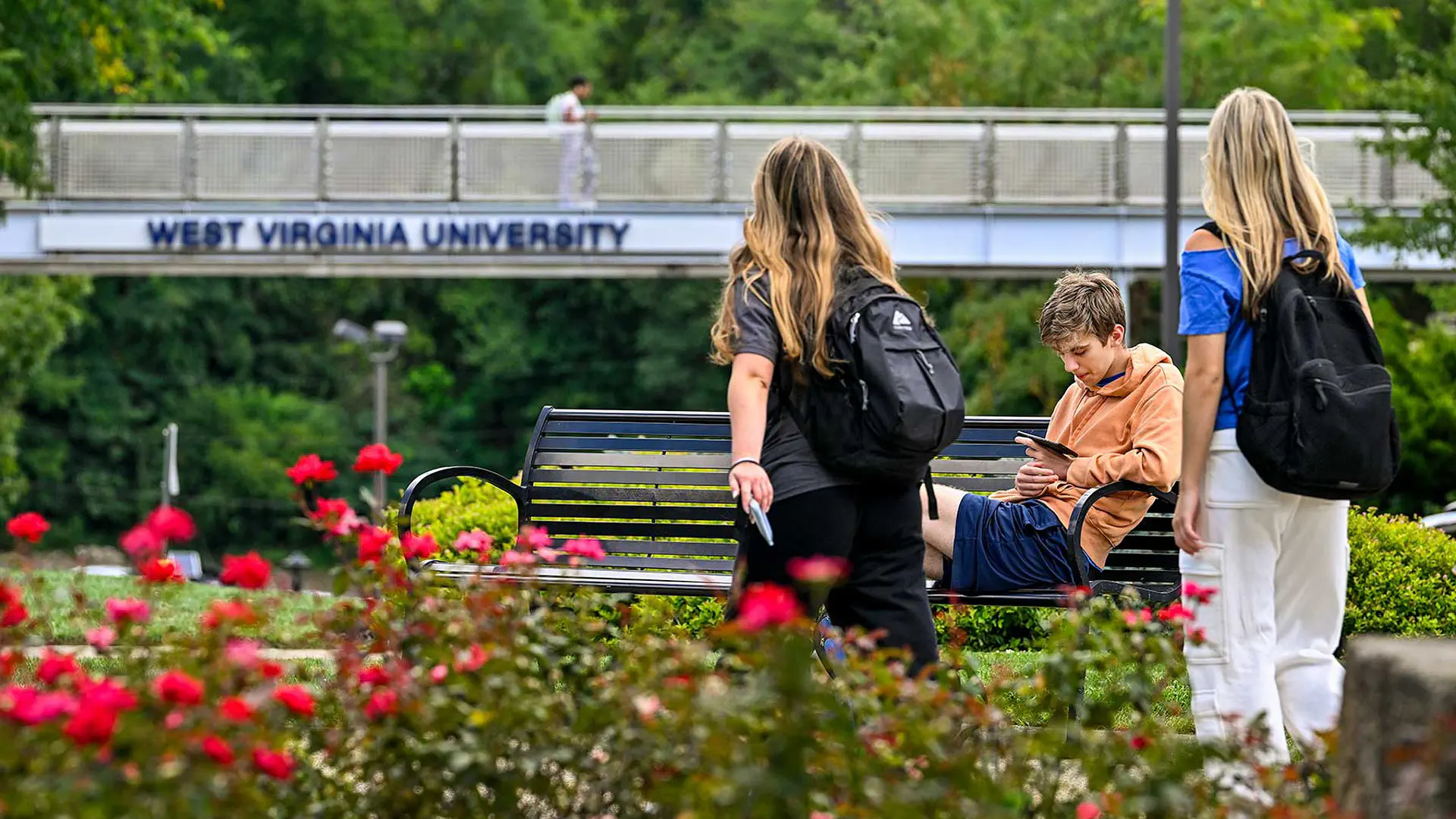
Criminology, BA
Criminology looks at crime as something shaped by social influences. In this major, you will learn why people commit crimes and how the criminal justice system works, including its strengths and areas for improvement. Classes include topics like police culture, punishment, terrorism, white-collar crime, hate crimes, and violence in society.
As a Criminology student, you will gain skills that are useful for many different careers, such as law enforcement, corrections, business, education, government, security, and social services. This major is also an excellent choice if you are thinking about going to law school or continuing your education in graduate school.
Your Degree Plan
Criminology majors take coursework that is rooted in the discipline of sociology.
Foundational Knowledge
As a Criminology student, you’ll take several introductory courses that explore the basics of criminology, sociology, and the criminal justice system. These foundational classes prepare you for various careers in criminal justice, government, business, education, and social services.
Ignite Your Interests
Advanced Criminology classes cover topics like hate crime, police culture, victimology, terrorism, and juvenile delinquency. You can also take electives in Sociology or Anthropology to expand your knowledge and prepare for future careers. We encourage internships with government agencies, law firms, or nonprofit organizations to gain hands-on experience in competitive job markets.
Juvenile Delinquency
CRIM 303
Nature, extent, and causal explanation of forms of juvenile delinquency. The nature of juvenile courts, the correctional systems, and prevention programs. Emphasizes current issues.
Hate Crime
CRIM 318
Builds on basic knowledge in sociology to provide a detailed example of an emerging social problem, i.e., hate crime. Explores the ways social phenomena become social problems. Examines the causes and consequences of hate crime.
Police Culture and Socialization
CRIM 319
Examines the institution of policing in the United States. Builds on basic sociological concepts to provide a sociological and historical perspective on the formal and informal structures and processes in the American system of policing.
Gender and Crime
CRIM 324
Builds on basic sociological principles and concepts, and focuses on issues of social structure and process that are at the intersection of gender crime, and crime control.
Terrorism
CRIM 345
A sociological understanding of terrorism, including its causes, relations to social context, and trends. Emphasis is placed on major terrorist groups, selected cases, explanatory theories and policies of containment and prevention.
Victimology
CRIM 346
Introduction to the sociological study of victimization, which includes an examination of risks and frequencies, perceptions and fears, and the social and psychological impact of crime, accident and illness on individuals and their societies.
Cybercrime
CRIM 431
Examines the legal, social, and technical impacts of illegal activities facilitated through the use of computers or other technology devices. Focus is on these activities as a criminological phenomenon.
Inside Out Prison Exchange
CRIM 433
Experiential program which brings together students and incarcerated men or women inside prison to exchange ideas about criminal justice processes, analyze a designated concern, and produce recommendations for improvement.
Honors
Expand your curiosity and enhance your curriculum through the WVU Honors College. Two programs are offered: Honors Foundations and Honors in Action.
The WVU Difference
What sets this program apart?
- Faculty are international and national experts in the fields of sociology, anthropology, criminology, and women’s and gender studies.
- International service projects tied to course content.
- Inside-Out Prison Exchange allows students to go behind prison walls to reconsider what they’ve learned about crime and justice, while helping those inside prison place their life experiences in a larger framework.
- Earn academic credit through Eberly internship courses.
- 500+ scholarships awarded annually by the Eberly College of Arts and Sciences.
- Academic Enrichment Program offers funding for activities that complement, extend, and enhance your academic experience.
Learn by Doing
Get involved outside the classroom.
- Summer Undergraduate Research Experience: An 8-week WVU summer program for students interested in graduate school and research/creative work in their discipline or a related discipline. Participants work under the direction of a WVU faculty research mentor and a graduate or post-doctoral mentor. Students interested in research careers are especially encouraged to apply.
- Research Apprenticeship Program: A 2-semester WVU program for students with limited or no research experience. Students can earn course credit and use federal work-study funds for undergraduate research apprenticeships with WVU research faculty.
- Research Center on Violence: Conducts research and publishes scholarly work to prevent and control violent behaviors. The research informs progressive policies seeking to reduce violence in West Virginia, the U.S. and worldwide.
- Arch Lab: Offers practical archaeological experience and promotes West Virginia archaeology and the research potential of legacy collections. It’s a welcoming and inclusive environment for students passionate about archaeology.
- Spring break or semester Service Learning Study Abroad in Panama, Honduras, Ghana, Guatemala, and Belize.
View all of the student organizations you can join.
In our SOC 491: Internship course, you’ll earn up to 12 non-graded credits while gaining hands-on experience in a professional setting and applying sociological tools to reflect on real-world work. Past internships include local and out-of-town opportunities.
Explore internship options through the searchable AnthroGuide.
Internship ideas:
- Alzheimer’s Association
- Aull Center
- Bureau Alcohol, Tobacco and Firearms
- ATF Clarksburg Office
- Bureau of Alcohol, Tobacco, Firearms, and Explosives
- CASA for Kids
- Department of Justice - Bureau of Prisons
- Division Natural Resources Law Enforcement Section
- Prunty Town Correction Facility
- Federal Bureau of Investigation (Also CJIS division)
- Forensic Science Initiative
- Granville Police Department
- Magistrate Court
- Monongalia County Day Report Center, Probation Office, Sheriff’s Department, Teen Court, and Victim Assistance Program
- Morgantown Area Youth Services Project
- Morgantown Police Department
- National Cyber Forensics Training Alliance
- National White Collar Crime Center
- Randolph County Sheriff
- Rape and Domestic Violence Information Center
- The Shack Neighborhood House
- Tabhor Community Corrections
- Taylor County Community Corrections Program
- WVU Transportation and Parking
- U.S. Probation Office
- Westover Police Department
- West Virginia Governor’s Internship Program
- West Virginia State Police
- WVU Center for Resilient Communities Internship Program
- WVU Police Department
- Wheeling Police Department
- Critical Thinking: Define and analyze how social structures, institutions, and cultural norms influence criminal behavior and impact communities.
- Quantitative and Symbolic Reasoning: Understand and apply basic statistics to social issues; interpret and draw appropriate conclusions from social science data presented in tables, charts, and graphs; apply quantitative knowledge to present social science data in various forms (graphs, tables, words).
- Communication: Clearly communicate criminological concepts, theories, and findings through writing and speaking; follow appropriate norms of small group and classroom discussion interactions by listening actively and responding appropriately.
- Evaluating/Conducting Empirical Research: Identify, assess, explain, and conduct components of social science research including research design, data collection, sampling, and measurement.
- Information Literacy: Critically assess data, research, and media for accuracy and bias, applying this knowledge to analyze social issues, crime trends, and justice policies.
- General Life Skills: Students will develop skills including civility, punctuality, responsibility, organization, lifelong learning, and professionalization.
- Society and the Physical World: Identify, analyze, and explain the relationships between social structure and culture on the one hand, and technological and natural physical systems on the other.
- Diversity: Understand the connections between social inequalities and crime, focusing on systemic oppression, social control, and justice reform. Assess how these factors shape criminal behavior and affect the criminal justice system. Critically examine how socioeconomic status, race, gender, and neighborhood dynamics shape both crime rates and the criminal justice system’s response.
- Social Order: Identify, analyze, and explain how social institutions influence patterns of crime and justice and contribute to control and compliance issues in diverse communities.
Careers and Outcomes
How does this degree prepare students for a career?
Human behavior and cultures
Career path: Human rights investigator, international aid worker, social worker, counselor, careers in education, careers in medicine and health
Suggested courses: Violence Against Women, Gender and Crime, Juvenile Delinquency, Victimology, Families and Society, Sexuality and Society, Race and Ethnic Relations, Sociology of Gender
Law and justice
Career path: Law school, lawyer, paralegal, victim advocate, policing, correctional officer, federal agent, intelligence analyst
Suggested courses: Social Problems in America, Deviant Behavior, Sociology of Law, Hate Crime, Social Psychology, Police Culture and Socialization, Punishment and Social Control, Victimology, Criminal Justice Process
Marketing, business, and economy
Career path: Corporate security consultant, cybersecurity specialist, loss prevention, risk management specialist, background investigator, user experience (UX) researcher
Suggested courses: Cybercrime; Corporate and White-Collar Crime; Social Psychology; Complex Organizations; Economy and Society; Class, Status and Power; Sociology of Globalization
Social Justice, advocacy, and community organizing
Career path: Policy analyst, restorative justice specialist, nonprofit leader, community organizer, political office, nonprofit sector, social services
Suggested courses: Criminal Justice Process, Gender and Crime, Violence Against Women, Hate Crime, Sociology of Law, Social Problems in America, Cities and Urban Life, Social Movements, Race and Ethnic Relations
Graduate school options
The Department of Sociology and Anthropology doctoral program explores societal connections through 4 unique specializations:
Meet Your Community
The Criminology family will inspire you.
James Nolan
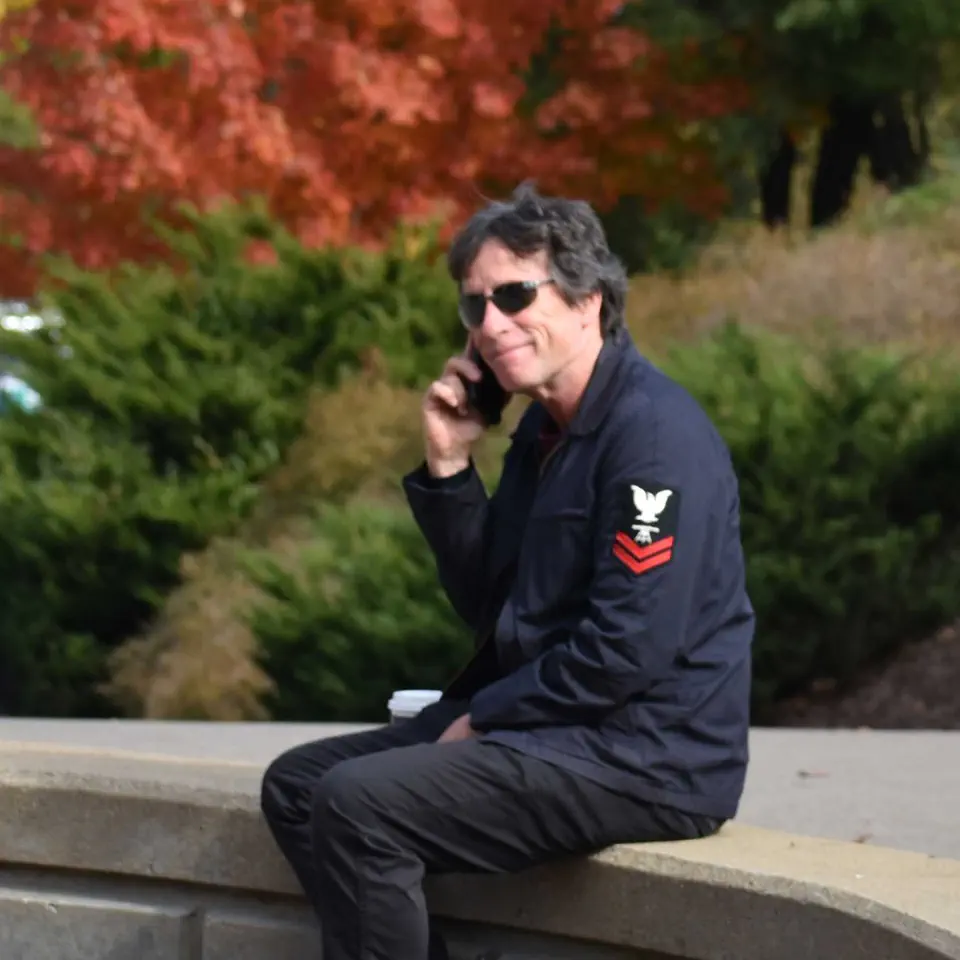
Professional Highlights
- Professor
- WVU Foundation Award for Outstanding Teaching, 2009
- Carnegie Foundation for the Advancement of Teaching, West Virginia Professor of the Year, 2010
- WVU Department of Sociology and Anthropology Undergraduate Professor of the Year, 2015-2016
- Author of 4 books, including "Policing in an Age of Reform: An Agenda for Research and Practice" (with Tim Parsons and Frank Crispino) and "Engaging Faculty in Group-Level Change for Institutional Transformation: Disrupting Inequity and Building Inclusive Academic Departments" (with WVU ADVANCE team)
- Appointed to National Academy of Science Committee on Modernizing the Nation’s Crime Statistics
- Received National Science Foundation grant for Reimagining the American Police
Rachel Stein
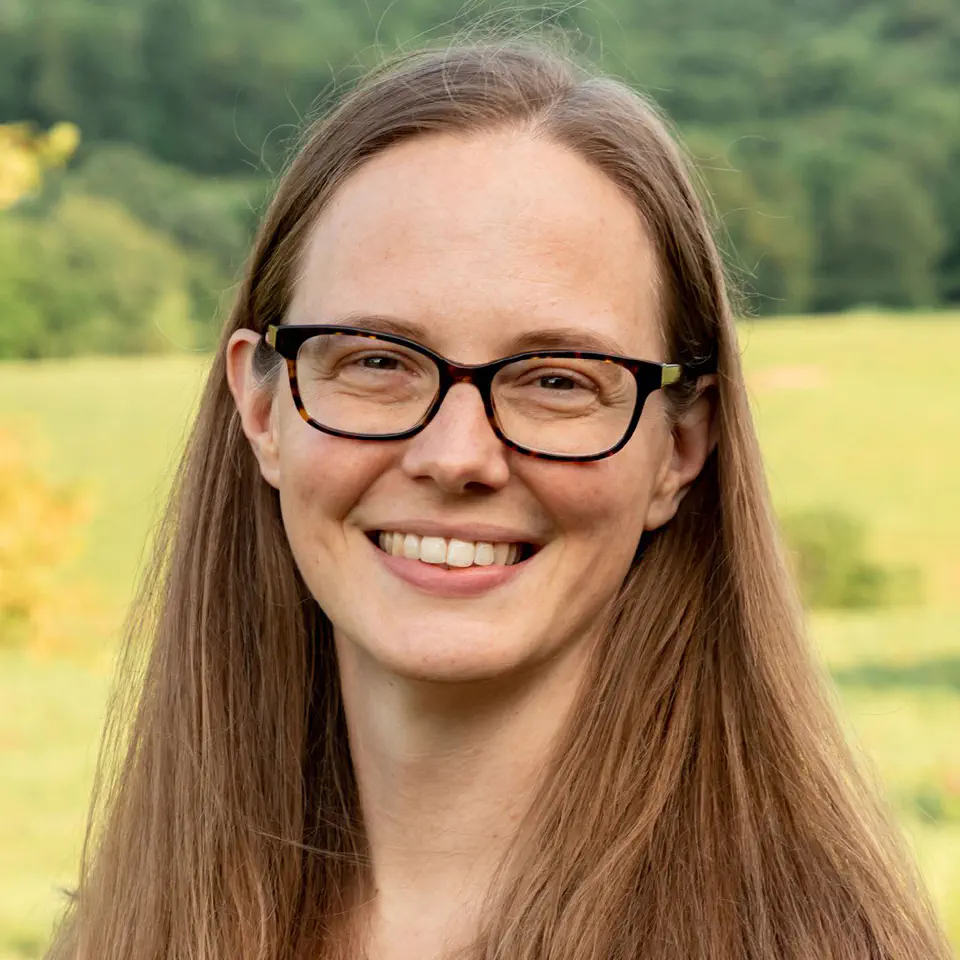
Professional Highlights
- WVU Research MVP Award for research on the Amish and COVID-19
- Past President of the North Central Sociological Association
- Research interests: Community, religion, and the Amish
Rachael A. Woldoff
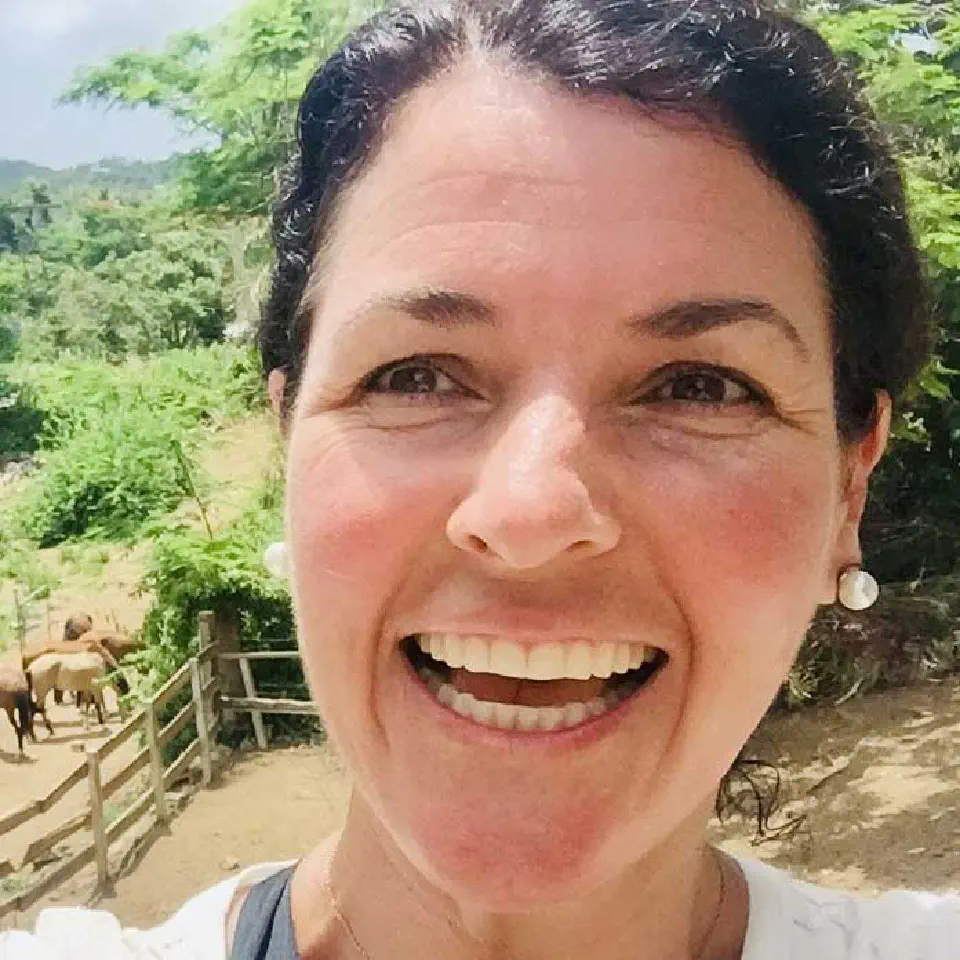
Professional Highlights
- Professor
- Eberly College of Arts and Sciences Outstanding Researcher Award
- Author of "White Flight/Black Flight: The Dynamics of Racial Change in an American Neighborhood," which was awarded the Best Book Award from the Urban Affairs Association.
- Coauthored "High Stakes: Big Time Sports and Downtown Redevelopment" (The Ohio State University Press 2004), "Priced Out: Stuyvesant Town and the Loss of Middle-Class Neighborhoods" (New York University Press 2016), and "Digital Nomads: In Search of Freedom, Community, and Meaningful Work in the New Economy" (Oxford University Press 2021), which examines community, creative class cities, and the rise of remote work.
- Currently researching public housing residents and their experiences of forced relocation during the pandemic.
Jesse S.G. Wozniak
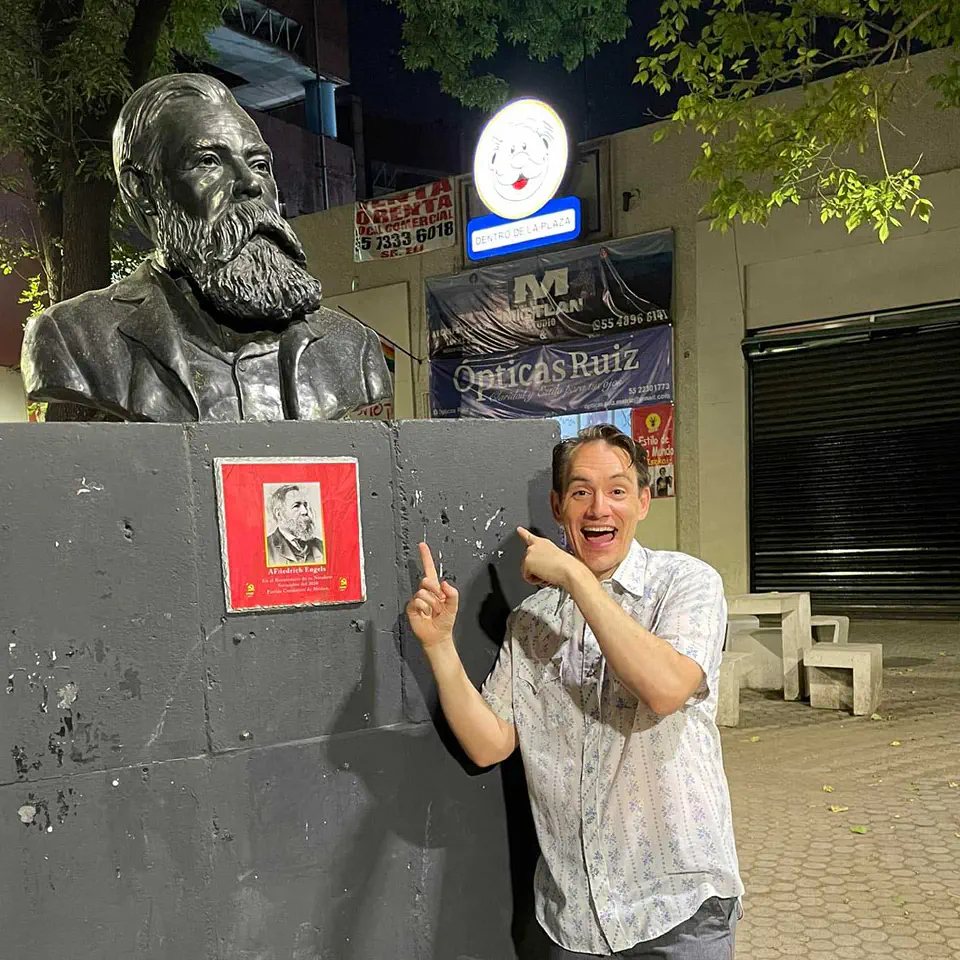
Professional Highlights
- Associate Professor
- Author of "Policing Iraq: Legitimacy, Democracy, and Empire in a Developing State", Berkley, CA: University of California Press
- Lead author of the Alliance for Police Accountability’s Reimagining Public Safety in Pittsburgh and Allegheny County: A Community Vision for Lasting Health & Safety
- Has sat on 20 MA and PhD committees, including 9 as chair, with 3 who have successfully completed their PhDs
- Has published academic research articles with both graduate and undergraduate students and takes an immense amount of pride in helping young scholars flourish into successful researchers
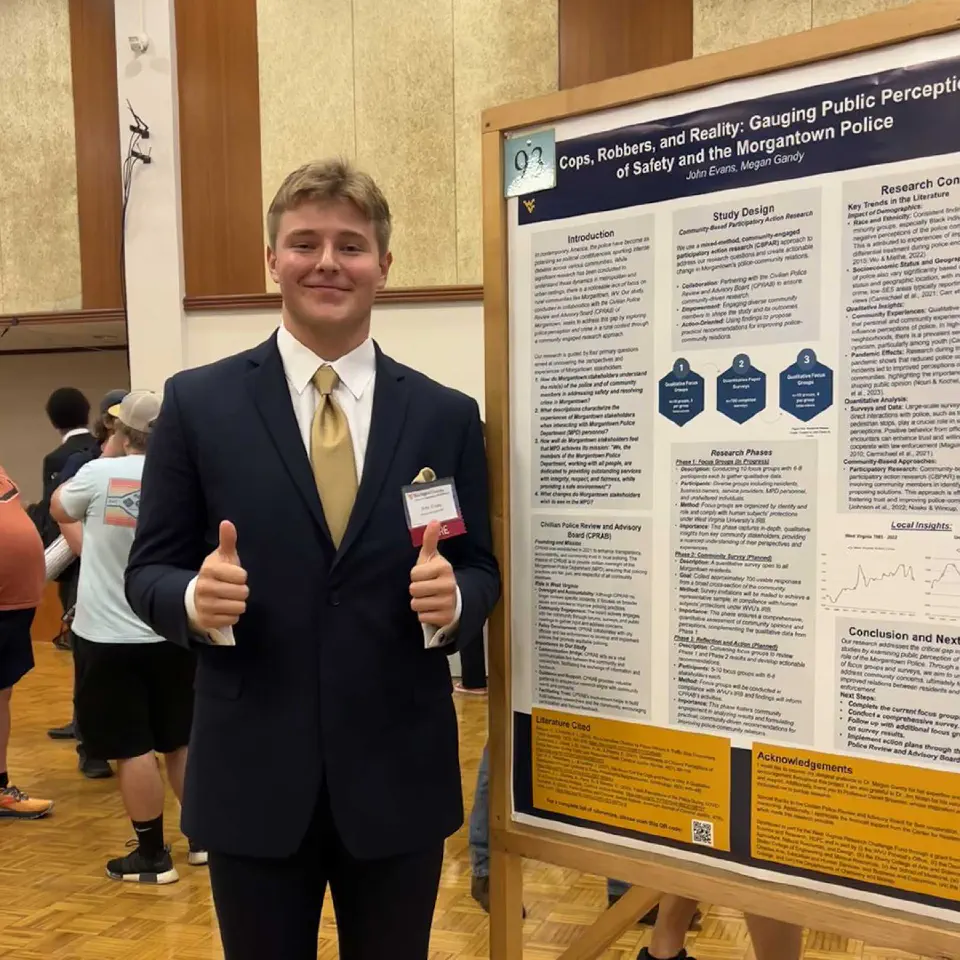
"For me, WVU has always been more than just a place to get an education. It is a place where you are exposed to new ideas and perspectives that push you to see the world differently. That kind of experience has been overwhelmingly important for my growth, not just academically, but in becoming a more empathetic and open-minded person."
John M. Evans

"Growing up in a small West Virginia town, I always knew WVU would be the best place for me. Upon my arrival here, I only knew I wanted to major in something that could teach me how to make a difference. Choosing Psychology and Criminology has completely fulfilled that, with every class I take within the programs preparing me for a bright future. My time so far at WVU has been nothing short of amazing, filled with experiences that will stick with me forever."
Mimi Ferguson
"I am currently in my third year at WVU and have thoroughly enjoyed my experience as a Mountaineer, particularly within the Criminology program that initially attracted me to the University. The program has been highly engaging, making these three years pass quickly. I chose this major to deepen my understanding of the motivations behind criminal behavior and to explore effective strategies for making a safer society."
Kevin Francisco
"Being a WVU student has helped me come out of my shell and become the best version of myself I can be. I have made many friends and professional connections since starting here. Ever since I was a kid, I have been interested in the forensic sciences and investigation into crime. However, I soon learned I wanted to work more with the social sciences. High school helped me figure out that I wanted to major in Criminology, and I am more interested in my future career than ever before."
Eliot Laney

"Growing up in West Virginia, I have always been a part of a Mountaineer family, but it was not until I toured WVU that I really felt at home somewhere. Being here I have made the best connections and opportunities that I would not have been able to anywhere else. I am forever thankful for everything WVU has given me and continues to give me to help me grow."
MaKayla Payne
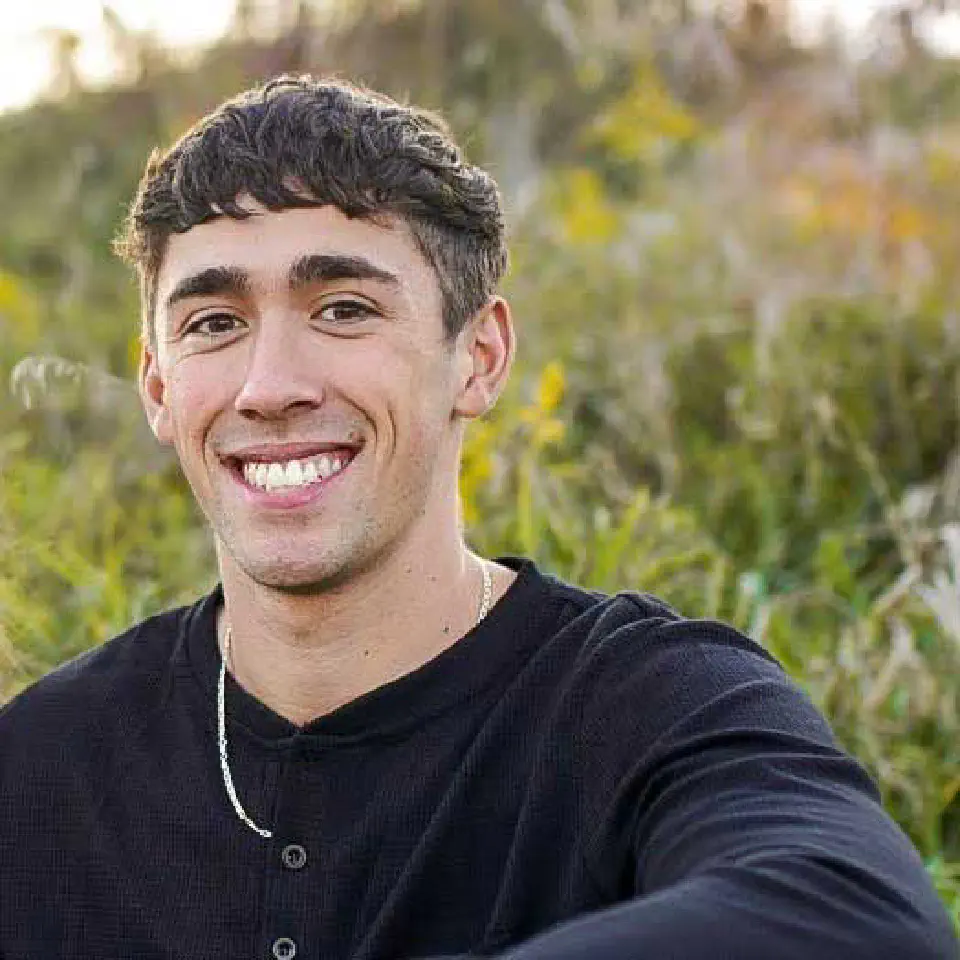
"The opportunities at WVU made the university an easy choice for me. I grew up just up the road and really always knew that I wanted to go to WVU. Since I have arrived here the support from my professors, my involvement in the ROTC program and the proximity to home has made it a perfect fit"
JT Veltri
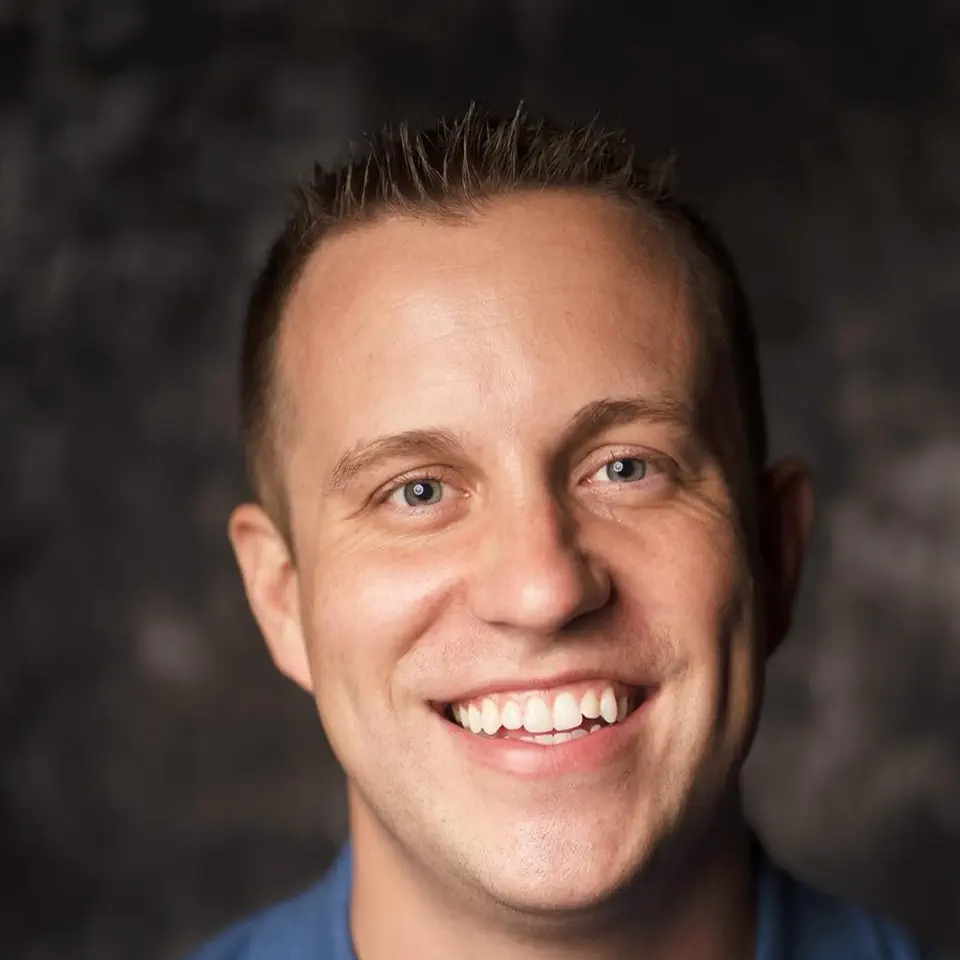
“During my time at WVU I built invaluable relationships that I still cherish today. Through my sociology classes and degree, I began to develop a deeper understanding of people. This has enabled me to be a problem solver for people of many backgrounds. As a result, I have been a business owner for many years, successfully serving my community and countless clients.”
Alexander Cruz
Partner, CR of Maryland
BA, Criminology, 2011

"The encouraging and supportive culture at WVU provided me with experiences which led me to discover my passion for intelligence work. I had the opportunity to work with an incredible faculty that was engaged in my development and helped guide me to success. WVU offered real-world experiences through internships and extracurricular opportunities related to my interests in sociology and criminal behavior. "As an Intelligence Analyst, I often refer to experiences and lessons I learned at WVU to help me develop my skills in the field of criminal justice."
Jaimee Cuddy
Senior Intelligence Analyst, U.S. Postal Inspection Service (Washington, D.C.)
BA, Criminology and Psychology
"For me, this program and its staff helped prepare me for future success in my career, from taking classes geared towards the mental aspect of criminology to classes with a more hands-on approach. All the things that were taught to me while at WVU I have seen firsthand in the field, so it was no surprise to me as I experienced them. So, I truly believe it allowed me to be a better law enforcement officer, not only to my department but also to the community I serve."
Tristian J. Menendez
Sergeant of the Neighborhood Response Division and former Detective of General Investigation Unit, Camden County Police Department
FAQs
Common questions and answers about Criminology.
- Admitted students may submit a Change of Major Request. This form is for prospective students only.
- Currently enrolled students must meet with their academic adviser.
- Please review the admissions requirements to ensure that you are eligible for the requested major. Requests will not be processed if ineligible.
- Law Enforcement: Police officer, detective, undercover agent, special agent (like FBI)
- Corrections: Probation officer, correctional officer
- Investigation: Crime scene investigator, criminal intelligence analyst, private investigator
- Victim Support: Victim advocate
- Research and Analysis: Criminologist, intelligence analyst.
- Forensic Fields: Forensic psychologist, forensic science technician
- Legal Support: Paralegal
Places and Spaces
See where you’ll study, research, and create.
Research Center on Violence
Virtual Tour
It’s the next best thing to being here. Virtually tour our campus and residence halls.
Student Life
You'll experience epic traditions, quality academics, and a supportive community that feels like home.
Visit
See WVU in person and start imagining life as a Mountaineer.
Admission Requirements
To be admitted to the Criminology major, first-time freshmen must meet WVU's first-time freshman admission requirements. Interested in transferring? Review the transfer admission requirements.
Tuition and Aid
How much does Criminology at WVU cost? And how can you save?
Tuition and Fees
Estimated rates are available on our tuition website. Anyone who is not a current West Virginia resident, including international students, will be charged non-resident rates.
Ways to Save
Beyond scholarships, here are other ways to reduce your cost of attending WVU.
Financial Aid
The most important step toward funding your future with financial aid for the Criminology, BA is submitting the Free Application for Federal Student Aid, or FAFSA.
Start at Another WVU Campus
You can start your career with WVU at another campus and transfer to WVU Morgantown.
Transfer Articulation Agreements
To simplify the transfer process, we have formal agreements with certain institutions. These agreements outline the courses you should take to prepare for transferring to WVU.
Review the full list of transfer articulation agreements to see if your institution is listed.
Request Info
Want to know more about Criminology at WVU? Fill out our request form to receive more information.
Visit
Experiencing campus is the best way to see if WVU is the right fit. Choose from in-person and virtual options.