
Chemistry, BS
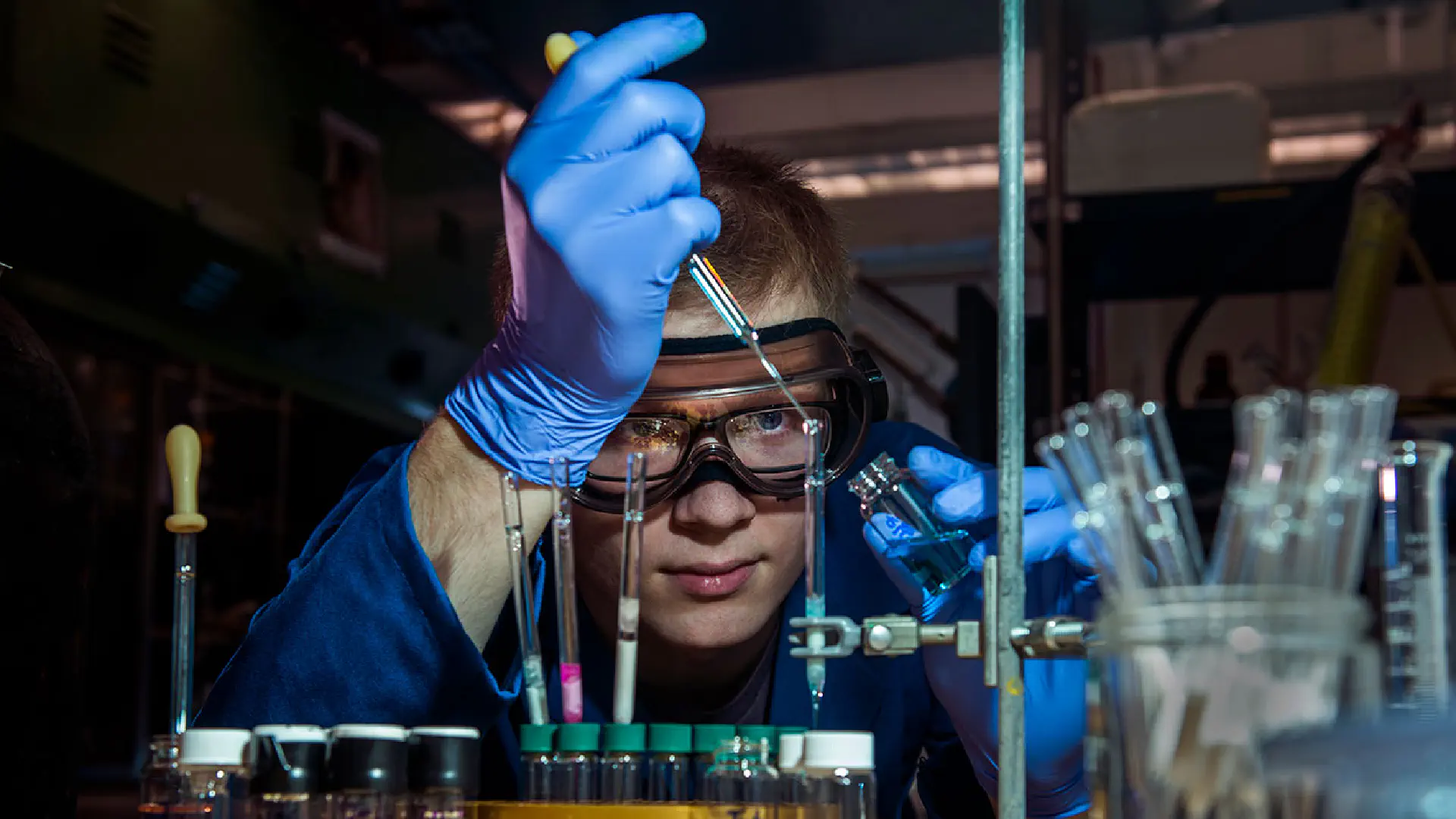
As a Chemistry major, you’ll build a strong foundation in the sciences while tailoring your education to fit your interests and career goals. With hands-on research, personalized advising, and a flexible curriculum, you’ll be prepared to thrive in today’s dynamic STEM landscape.
After 1-2 years of foundational coursework, you’ll choose a focus area in Chemistry and Health, Chemistry and the Environment, or Certified Chemist.
This diverse training prepares you to be a competitive applicant for:
- Graduate programs in chemistry and related STEM disciplines
- Health-professional schools (medicine, dentistry, pharmacy, physician assistant)
- Professional schools (law, education, technical writing, business)
- Industry roles in pharmacy, environmental testing, forensics, materials engineering, energy, and more
Your Degree Plan
Foundation Courses
In the first 2 years, you’ll take foundational courses in chemistry (general, organic, analytical, physical, and/or inorganic), physics, and mathematics. Courses in technical writing and in-depth courses in environmental chemistry, instrumentation, pharmaceutical chemistry, and/or biochemistry will follow. You’ll also enroll in undergraduate research or other activities to enhance your experience.
The undergraduate research experience is especially advantageous for students planning to apply to medical or pharmacy schools, as well as to chemistry graduate programs.
Focus Areas
After completing 1-2 years of foundational coursework, you’ll choose a focus area:
- Chemistry and Health – ideal for students interested in medical or pharmaceutical careers.
- Chemistry and the Environment – suited for those passionate about sustainability and environmental science.
- Certified Chemist – for students aiming for professional certification and careers in chemical industry or graduate research.
Introductory Analytical Chemistry
CHEM 215
The science of precision — using cutting-edge techniques to uncover what substances are made of, how much, and how they behave.
Organic Chemistry 1
CHEM 233
Builds a foundation in modern structural theory, showing how molecular structure drives chemical behavior, reactivity, and synthesis—unlocking the logic behind organic reactions.
Environmental Chemistry
CHEM 312
Dives into how chemicals move and react in nature, and how we can tackle their environmental impact.
Inorganic Chemistry 1
CHEM 322
Uncovers the chemistry of transition metals and main group elements through quantum insights and molecular symmetry — connecting atomic structure to real-world chemical behavior.
Methods of Structure Determination
CHEM 335
Equips students with powerful chemical tools—UV, IR, NMR, and mass spectrometry — to decode the architecture of organic molecules. Designed for researchers and applied scientists, this course turns data into molecular insight.
Fundamental Concepts in Early Drug Discovery
CHEM 336
Explores how a drug’s chemical makeup shapes its interaction with biological systems, laying the foundation for smarter, targeted therapies.
Physical Chemistry – Brief Course
CHEM 341
Introduces the core pillars — quantum mechanics, kinetics, and thermodynamics – to reveal the forces driving chemical behavior.
Chemistry and Health
Build a strong foundation for careers in medicine, pharmacy, dentistry, or biomedical research.
Chemistry and the Environment
Prepare for roles in environmental analysis, toxicology, education, law, or business with the right electives.
Certified Chemist
ACS-approved track for students aiming for professional lab positions or graduate study in chemistry and related fields.
Honors
Expand your curiosity and enhance your curriculum through the WVU Honors College. Two programs are offered: Honors Foundations and Honors in Action.
The WVU Difference
What sets this program apart?
The Bennett Careers for Chemistry program, which is unique to WVU, brings people from the business, academic, and health sectors to discuss how chemistry provided the foundation for their careers.
- Presence of WVU’s doctoral chemistry program offers undergraduates opportunities to engage in cutting-edge research.
- Undergraduates can select from a variety of 500-level graduate courses to fulfill their chemistry elective requirement and enhance their preparation for graduate work.
- The chemistry degree program has been approved by the American Chemical Society since 1941.
- Our Pre-Health Office is an asset to any student planning to pursue health or health-adjacent fields.
- WVU iServe helps students earn and track community service hours.
- Earn academic credit through Eberly internship courses.
- 500+ scholarships awarded annually by the Eberly College of Arts and Sciences.
- Academic Enrichment Program offers funding for activities that complement, extend, and enhance your academic experience.
Learn by Doing
Get involved outside the classroom.
- Research Apprentice Program
- Summer Undergraduate Research Experience
- Volunteer opportunities in faculty research labs
- Connect with the Undergraduate Research, Education Abroad, ASPIRE (prestigious scholarships/fellowships), and Pre-Health Professional Development offices for even more opportunities.
- Research-based coursework (CHEM 497 and research-based capstone). Advisers help students sustain research experiences over several semesters, and identify paid summer research opportunities.
- Eberly Enrichment Fund to support experiential learning
- Engage in tutoring, leadership, and STEM outreach with the ACS Student Affiliates and with chemistry faculty and graduate students (e.g., Chemistry Merit Badge).
- American Chemical Society Student Affiliates
- Appalachian Health Advocacy Alliance
- FirstGen Mountaineers
- Global Medical Brigades
- oSTEM at WVU
- Phi Beta Kappa
- Phi Lambda Upsilon
- Pre-Dental Club
- Pre-Medical Club Chapter of AMSA
- Pre-Optometry Club at WVU
- Red Cross Service Club
- WVU Future Women in Medicine and Science
- WVU Pre-PA Club
- WVU Global Dental Brigades
View all of the student organizations you can join.
- Scientific Integration – Synthesizing knowledge across disciplines to address real-world STEM challenges.
- Science Process Skills – Designing experiments, analyzing data quantitatively and statistically, and applying critical thinking to scientific questions.
- Collaboration – Working effectively in teams to solve problems and communicate findings.
- Ethical Reasoning – Applying moral and ethical principles in scientific contexts.
- Communication – Presenting complex ideas clearly to both professional and general audiences, in writing and speech.
- Problem-Solving and Innovation – Developing creative solutions to scientific and societal issues.
- Quantitative Reasoning – Interpreting and manipulating data to draw meaningful conclusions.
- Technical Proficiency – Gaining hands-on experience with lab techniques, instrumentation, and analytical software.
- Project Management – Planning and executing scientific investigations with precision and efficiency.
- Adaptability and Lifelong Learning – Staying current with evolving scientific knowledge and technologies.
Before graduating, all undergraduates in this major complete an academic project (or “capstone”) to demonstrate their research, communication, and critical thinking skills. Projects have included:
- Chemical Synthesis of Pharmacologically Active Molecules
- Comparative Metabolomic Profiling with IMS-HDX-MS
- Computational Characterization of the Binding and Folding Process of the Drug Delivery pHLIP Peptide
- Development of New C-C Bond Forming Reactions Catalyzed by First Row Transition Metals
- Experimental Studies of Propagating Precipitation Waves in the AlCl3 + NaOH Reaction
- High-Temperature Gas-Phase Kinetic Study of the OH + Cyclopentadiene Reaction
- Luminescent Metal Complexes for Solar Energy Conversion
- Mild Carboxylation Methods Using Homogeneous Base-Metal Catalysis
- Molecular Mechanisms of Huntingtin Interactions with Lipid Membranes
- Reductive Cyclizations to Indoles and Isoquinolines
Careers and Outcomes
How does this degree prepare students for a career?
Chemists
Has a Bright Outlook
Median Salary: $84,150
Possible Job Titles: Analytical Chemist, Chemist, Research Chemist, Scientist
Chemical Engineers
Has a Bright Outlook
Median Salary: $121,860
Possible Job Titles: Chemical Engineer, Engineer, Process Engineer, Scientist
Chemical Technicians
Has a Bright Outlook
Median Salary: $57,790
Possible Job Titles: Chemical Technician, Laboratory Analyst (Lab Analyst), Laboratory Technician (Lab Tech), Quality Control Technician (QC Tech)
Chemistry Teachers, Postsecondary
Teach courses pertaining to the chemical and physical properties and compositional changes of substances. Work may include providing instruction in the methods of qualitative and quantitative chemical analysis. Includes both teachers primarily engaged in teaching, and those who do a combination of teaching and research.
May Require Graduate Degree
Median Salary: $86,220
Possible Job Titles: Assistant Professor, Chemistry Instructor, Chemistry Professor, Professor
Chemical Plant and System Operators
Median Salary: $73,540
Possible Job Titles: Chemical Operator, Loader Technician, Process Operator, Process Technician
Dentists, General
Median Salary: $172,790
Possible Job Titles: Dentist, Family Dentist, General Dentist, Pediatric Dentist
Environmental Scientists and Specialists, Including Health
Has a Bright Outlook
Median Salary: $80,060
Possible Job Titles: Environmental Programs Specialist, Environmental Protection Specialist, Environmental Scientist, Environmental Specialist
Family Medicine Physicians
Median Salary: $238,380
Possible Job Titles: Family Physician, Family Practice Physician (FP Physician), Medical Doctor (MD), Physician
Lawyers
Median Salary: $151,160
Possible Job Titles: Attorney, Attorney General, Counsel, Lawyer
Pharmacists
Has a Bright Outlook
Median Salary: $133,260
Possible Job Titles: Certified Physician Assistant (PA-C), Family Practice Physician Assistant, Physician Assistant (PA), Physician's Assistant
Physician Assistants
Has a Bright Outlook
Median Salary: $133,260
Possible Job Titles: Certified Physician Assistant (PA-C), Family Practice Physician Assistant, Physician Assistant (PA), Physician's Assistant
Preventive Medicine Physicians
Median Salary: $239,200
Possible Job Titles: Occupational Medicine Physician, Physician, Public Health Officer, Public Health Physician
Soil and Plant Scientists
Has a Bright Outlook
May Require Graduate Degree
Median Salary: $71,410
Possible Job Titles: Agronomist Research Scientist, Research Soil Scientist
Technical Writers
Median Salary: $91,670
Possible Job Titles: Documentation Specialist, Information Developer, Technical Communicator, Technical Writer
Where can a chemistry degree take you?
Chemistry graduates are equipped to launch into a wide range of exciting paths. Whether you’re aiming for graduate study in chemistry or related STEM fields, or professional school in education, law, business, or healthcare, your options are wide open. Prefer to dive straight into the workforce? You’ll be ready for impactful roles in research, industry, healthcare, academia, and government — wherever science meets innovation.
Further your education
With a degree in chemistry, you could apply to these graduate and professional programs, as well as others.
- Astronomy/Astrochemistry
- Biochemistry
- Biomedical Sciences/Engineering
- Business
- Chemistry
- Clinical and Translational Medicine
- Dentistry
- Education (K-12 Science Teaching)
- Engineering
- Environmental, Soil or Water Science
- Food Science
- Forensic Science
- Geochemistry
- Immunology
- Industrial Hygiene
- Law (Patents and Intellectual Property)
- Library Science
- Materials Science
- Medicinal Chemistry
- Medicine
- Neuroscience
- Nuclear Energy
- Pathologist’s Assistant
- Pharmacology
- Pharmacy
- Physician’s Assistant
- Professional Editing
- Public Health
- Technical Writing
- Toxicology
- Veterinary
Meet Your Community
The Chemistry family will inspire you.
Terry Gullion

Professional Highlights
- Research: Investigates the development and application of solid-state NMR spectroscopy
- Mentors undergraduate and graduate students in research
- Teaching Physical Chemistry: Brief Course (CHEM 341)
- Named Fellow of the American Physical Society and WVU Benedum Distinguished Scholar
- Research on cicadas led to important discovery of chitin as a strengthening component in cicada wings.
Oluwatobi (Tobi) Odeleye

Professional Highlights
- Associate Professor of Chemistry
- Research: Chemical education focusing on undergraduate students’ learning of chemistry during their first 2 years of college; and student attitudes toward chemistry.
- Mentors undergraduate and graduate students in research.
- Teaches Fundamentals of Chemistry 1 (CHEM 115) and 2 (CHEM 116)
- Taught for the 2025 WV Governor’s Honors Academy
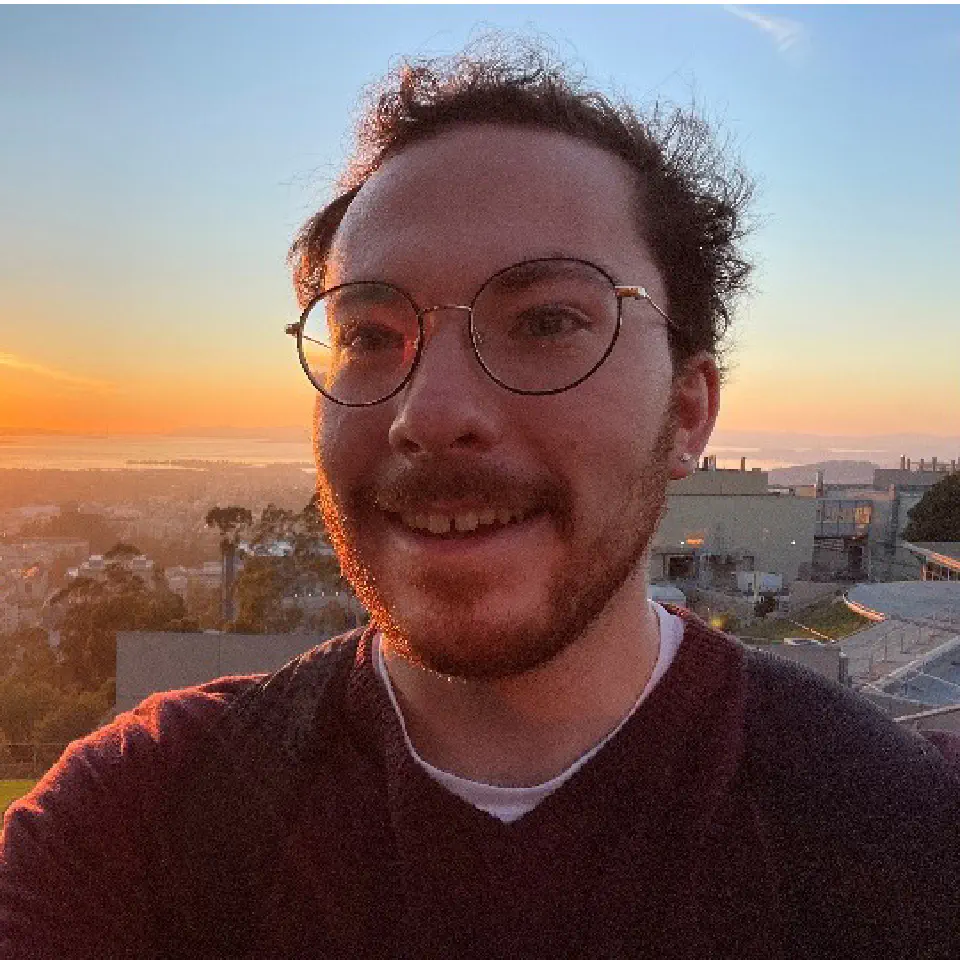
“Coming from Boone County, I doubted my abilities and was hesitant to step into new environments. While majoring in chemistry at WVU, I worked closely with graduate students, professors, and my research adviser, who helped me gain the confidence to believe I could succeed anywhere. I’ll always remember the wide-ranging conversations with my adviser, from chemical reactions to theoretical physics, as they deepened my passion for science and inspired my decision to pursue graduate studies in electronic dynamics, shaping both my career goals and my sense of purpose. I am forever grateful for the mentorship and encouragement I received.”
Zachary Donnellan
PhD candidate, University of California-Berkeley
BS, Chemistry, 2020

“The support I received from the WVU Chemistry faculty throughout my undergraduate degree helped shape me into a confident career-ready scientist, as well as a better citizen of the world. Participating in undergraduate research helped me succeed beyond what I thought was possible. I’m proud to be a Mountaineer.”
Ariana Foster
Staff Chemist, Inpria
BS, Chemistry, 2024

“The Chemistry Department shaped far more than my academic preparation — it shaped my confidence. The challenging coursework taught me to think deeply, collaborate effectively, and be resilient, while the faculty created a community that felt truly invested in my success. Entering medical school, I carried not only a strong scientific foundation but also the encouragement of people who believed in me.”
Lauren (Keplinger) Kozlowski
MD candidate, WVU
BA, Chemistry, 2024
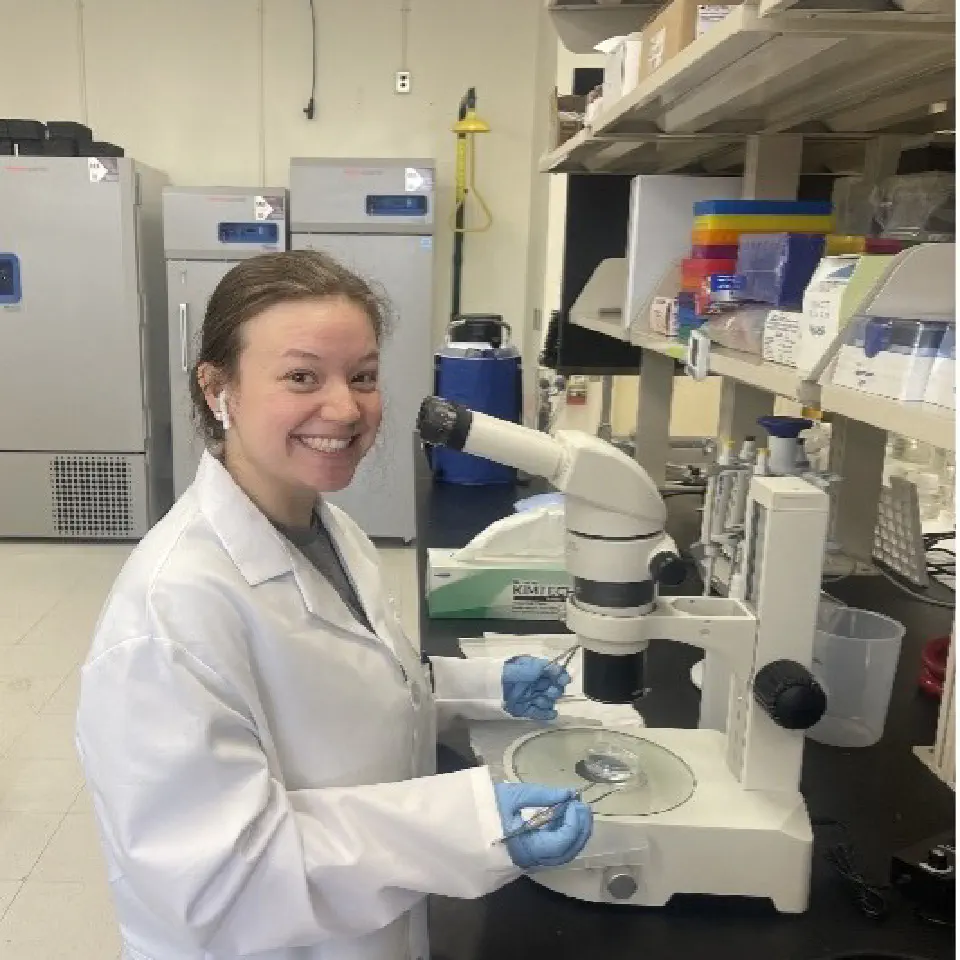
“The WVU chemistry program gave me the tools I needed in science, the connections I needed for my professional life, and the friends I needed for my social life to get my degree and continue with grad school after.”
Rachel McNeel
PhD candidate, Georgetown University
BS, Chemistry, 2023
FAQs
Common questions and answers about Chemistry.
Absolutely, although it is easier to switch from the Certified Chemist focus area to the Chemistry and Health or Chemistry and the Environment focus areas. Advising is key to a smooth transition and chemistry advising is top rate.
Places and Spaces
See where you’ll study, research, and create.
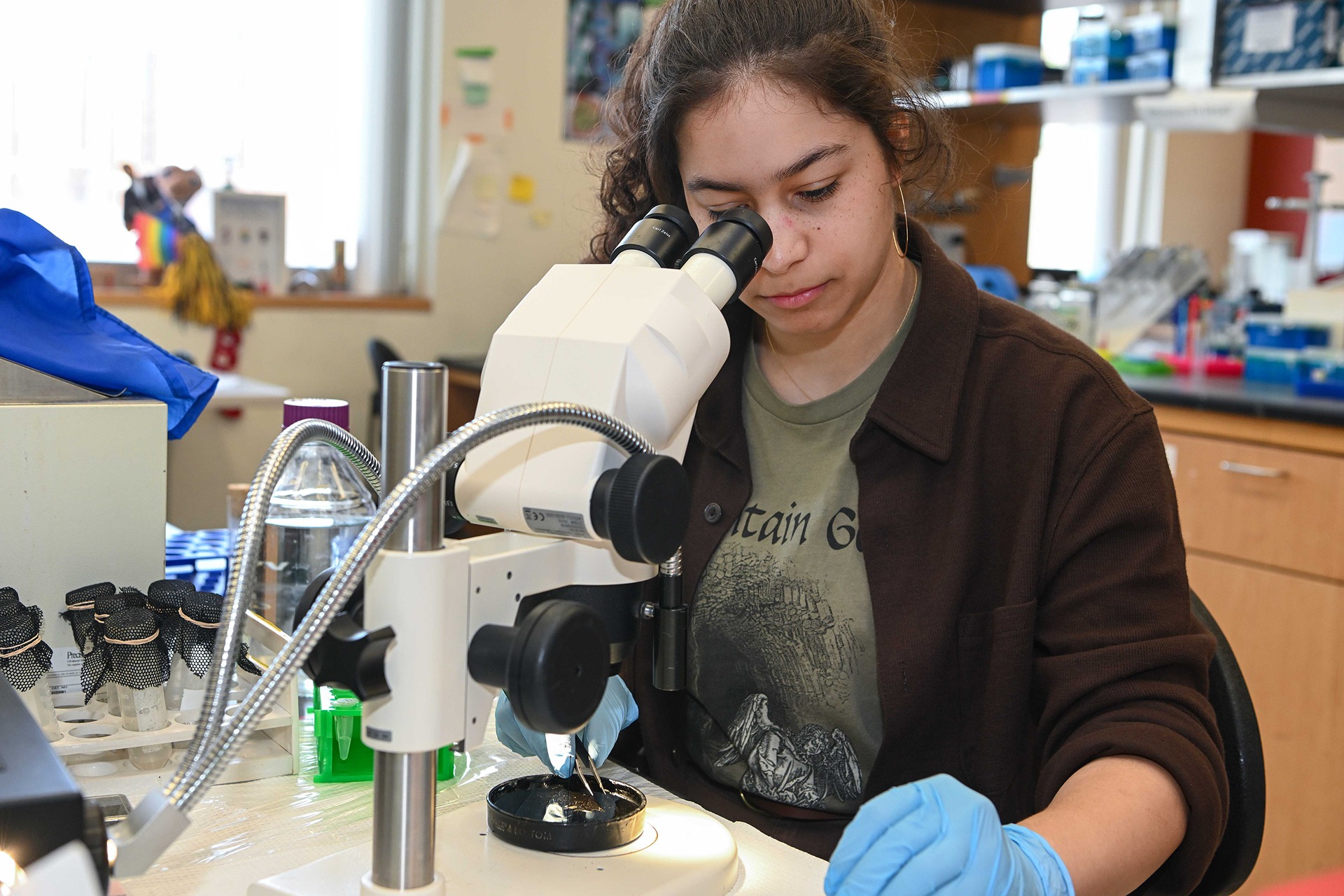
Undergraduate Teaching and Research Labs
Chemistry Learning Center
Major Research Instruments
Shared Research Facilities
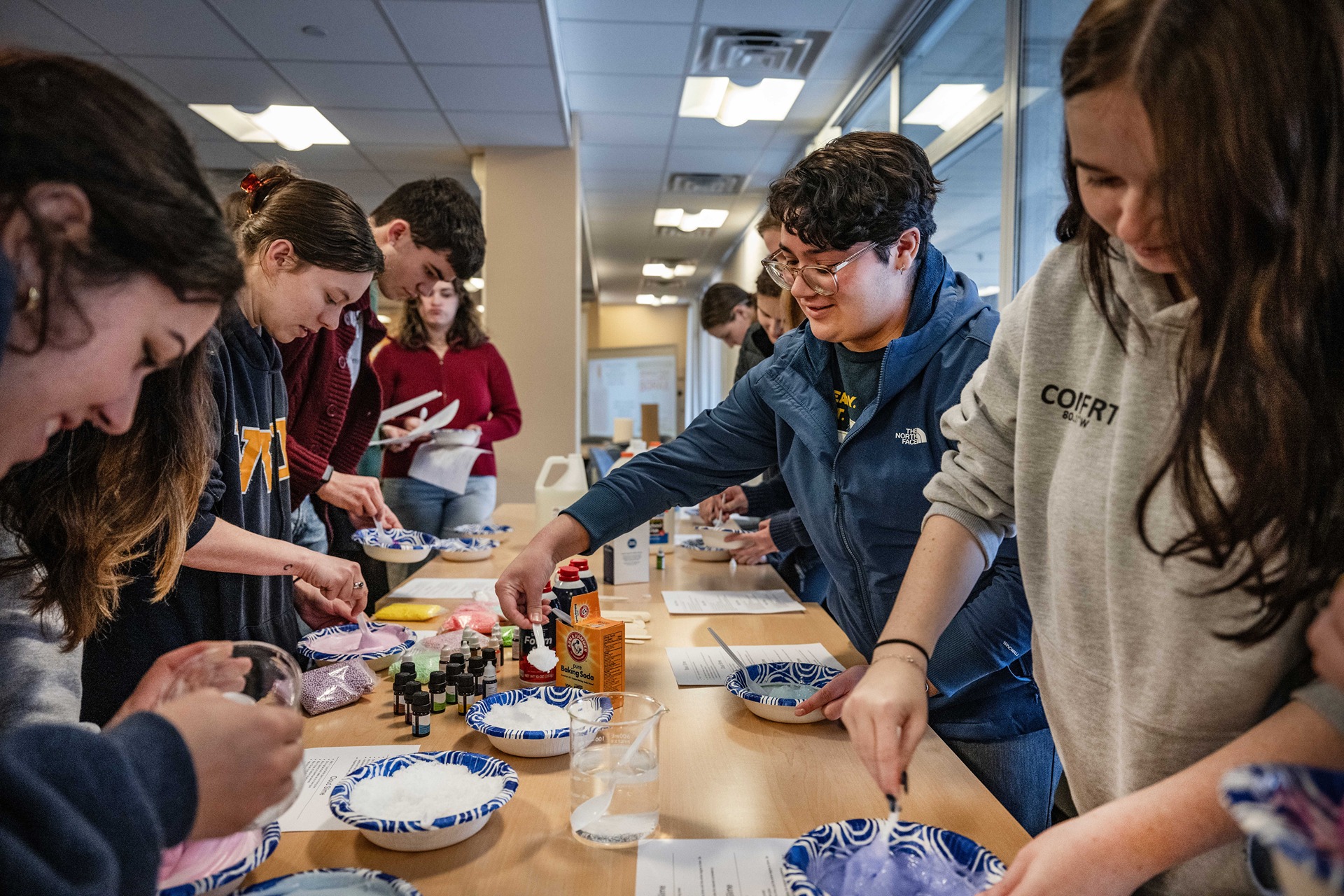
STEM Learning Center
Virtual Tour
It’s the next best thing to being here. Virtually tour our campus and residence halls.
Student Life
You'll experience epic traditions, quality academics, and a supportive community that feels like home.
Visit
See WVU in person and start imagining life as a Mountaineer.
Admission Requirements
To be admitted to the Chemistry major, first-time freshmen must meet WVU's first-time freshman admission requirements. Interested in transferring? Review the transfer admission requirements.
Tuition and Aid
How much does Chemistry at WVU cost? And how can you save?
Tuition and Fees
Estimated rates are available on our tuition website. Anyone who is not a current West Virginia resident, including international students, will be charged non-resident rates.
Ways to Save
Beyond scholarships, here are other ways to reduce your cost of attending WVU.
Financial Aid
The most important step toward funding your future with financial aid for the Chemistry, BS is submitting the Free Application for Federal Student Aid, or FAFSA.
Ohio Tuition Reciprocity
As the result of a special agreement, students from Ohio who are fully admitted to Chemistry can enroll at WVU and pay in-state tuition rates. Students must be admitted to both the University and this major.
Start at Another WVU Campus
You can start your career with WVU at another campus and transfer to WVU Morgantown.
Transfer Articulation Agreements
To simplify the transfer process, we have formal agreements with certain institutions. These agreements outline the courses you should take to prepare for transferring to WVU.
Review the full list of transfer articulation agreements to see if your institution is listed.
Request Info
Want to know more about Chemistry at WVU? Fill out our request form to receive more information.
Visit
Experiencing campus is the best way to see if WVU is the right fit. Choose from in-person and virtual options.