

Biology: Pre-Medical, BS
As a Biology: Pre-Medical student, you’ll take a unique, comprehensive set of courses that focus not only on foundational concepts, but also on areas that develop social awareness, ethical decision making, and the communication skills necessary to be well-rounded and successful. After 2 years of foundational coursework, you’ll choose an area of emphasis in Human Health or Global Health.
This diverse training prepares you to be a competitive applicant for:
- Medical, dental, and physician assistant school
- Global health careers following the “one health” concept that focuses on ecosystems
- Jobs in bioinformatics, genetics, virology, and other biological sciences
Your Degree Plan
Foundation Courses
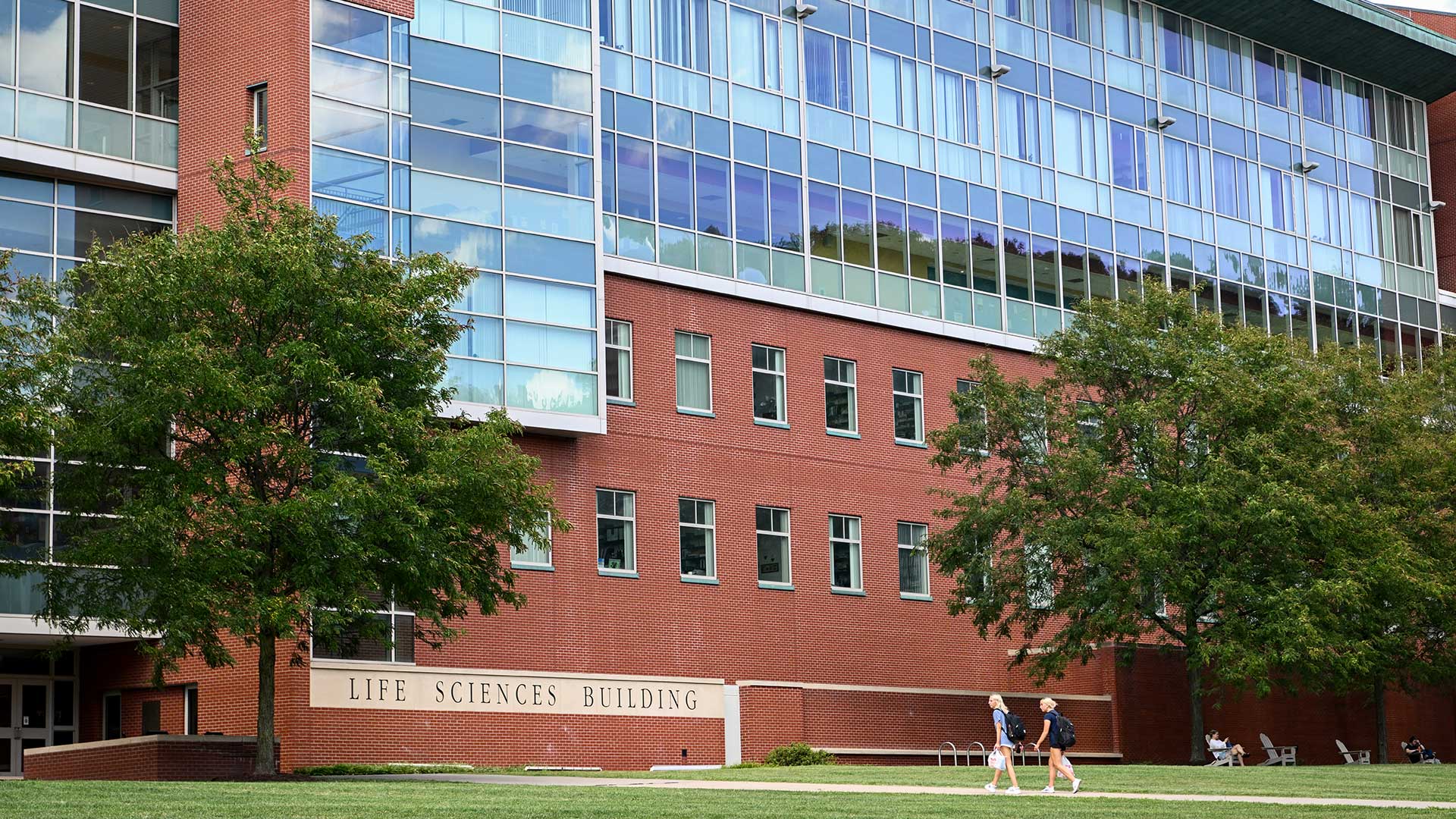
In the first 2 years, you’ll take foundational courses in general biology, chemistry, physiology, cell and molecular biology, ecology and evolution, and biostatistics. Courses in psychology, sociology, public health, and healthcare ethics are also required. You’ll also enroll in professional development to help identify and guide your future career path.
Areas of Emphasis
Biology: Pre-Medical majors must select an AoE, typically following the foundational coursework. You can choose from:
- Human Health: Coursework covers advanced cellular and molecular foundations, biochemistry, anatomy and physiology, infectious disease or pathogens, and communications. This area of emphasis is ideal preparation for medical, dental, or physician’s assistant school.
- Global Health: Designed under the “one health” concept, which focuses on one ecosystem, this AoE is comprised of coursework in the evolution of infectious disease, advanced cellular and molecular biology, organismal health, ecosystem health, and computation skills, such as bioinformatics. The Global Health AoE is well positioned for careers in infectious diseases, computation biology, genomics, and more.
Each area allows flexibility and choices of electives. Further, lab coursework provides hands-on experience that is a critical component for both Human Health and Global Health areas of emphasis.
Honors
Expand your curiosity and enhance your curriculum through the WVU Honors College. Two programs are offered: Honors Foundations and Honors in Action.
The WVU Difference
What sets this program apart?
- 2 areas of emphasis (Human Health and Global Health) to customize your degree.
- Professional development built into classes, in addition to learning biological concepts.
- Offers comprehensive approach to biology pre-medical sciences to create competitive applicants for professional programs, along with articulate, compassionate, and ethical professionals.
- Our Pre-Health Office is an asset to any student planning to pursue health or health-adjacent fields.
- WVU has an R1, Trauma 1 hospital and state-wide medical system.
- WVU iServe helps students earn and track community service hours.
- SpeakWrite Certified Major automatically fulfills the WVU General Education Foundations writing and communication skills requirement.
- Earn academic credit through Eberly internship courses.
- 500+ scholarships awarded annually by the Eberly College of Arts and Sciences.
- Academic Enrichment Program offers funding for activities that complement, extend, and enhance your academic experience.
Learn by Doing
Get involved outside the classroom.
- Research Apprentice Program
- Summer Undergraduate Research Experience
- Volunteer opportunities in faculty research labs
- ASPIRE Office
- Office of Undergraduate Research
- Research-based capstone, or students can complete 3 semesters of mentored research
- Research-based coursework
- Eberly Enrichment Fund to support experiential learning
- Appalachian Health Advocacy Alliance
- Beta Psi Omega
- Global Medical Brigades
- oSTEM at WVU
- Phi Beta Kappa
- Pre-Dental Club
- Pre-Optometry Club at WVU
- Pre-Medical Club Chapter of AMSA
- Red Cross Service Club
- WVU Global Dental Brigades
- WVU Pre-PA Club
View all of the student organizations you can join.
- Interpersonal skills, including effective communication with both professional and general audiences in written and oral forms
- Ability to work in collaborative teams
- Global perspectives on healthcare and medicine
- Social awareness and responsibility
- Ethical and moral reasoning
- Ability to synthesize and apply knowledge and skills from across the curriculum to social issues and problems
- Application of science process skills: scientific literacy, experimental design, collecting and analyzing data quantitatively and statistically, and using critical and analytical thinking to address scientific questions
Careers and Outcomes
How does this degree prepare students for a career?
Biological Science Teachers, Postsecondary
Has a Bright Outlook
Median Salary: $83,460
Possible Job Titles: Associate Professor, Biology Instructor, Biology Professor, Professor
Dentists, General
Median Salary: $172,790
Possible Job Titles: Dentist, Family Dentist, General Dentist, Pediatric Dentist
Environmental Scientists and Specialists, Including Health
Has a Bright Outlook
Median Salary: $80,060
Possible Job Titles: Environmental Programs Specialist, Environmental Protection Specialist, Environmental Scientist, Environmental Specialist
Epidemiologists
Has a Bright Outlook
Median Salary: $83,980
Possible Job Titles: Epidemiologist, Infection Control Practitioner (ICP), Nurse Epidemiologist, Research Epidemiologist
Family Medicine Physicians
Median Salary: $238,380
Possible Job Titles: Family Physician, Family Practice Physician (FP Physician), Medical Doctor (MD), Physician
Genetic Counselors
Has a Bright Outlook
Median Salary: $98,910
Possible Job Titles: Certified Genetic Counselor, Genetic Counselor, Prenatal and Pediatric Genetic Counselor, Reproductive Genetic Counseling Coordinator
Lawyers
Median Salary: $151,160
Possible Job Titles: Attorney, Attorney General, Counsel, Lawyer
Microbiologists
Median Salary: $87,330
Possible Job Titles: Bacteriologist, Clinical Laboratory Scientist (Clinical Lab Scientist), Microbiological Analyst, Microbiologist
Pharmacists
Has a Bright Outlook
Median Salary: $133,260
Possible Job Titles: Certified Physician Assistant (PA-C), Family Practice Physician Assistant, Physician Assistant (PA), Physician's Assistant
Physical Medicine and Rehabilitation Physicians
Median Salary: $239,200
Possible Job Titles: MD (Medical Doctor), Pain Management Physician, Physiatrist, Physician
Physician Assistants
Has a Bright Outlook
Median Salary: $133,260
Possible Job Titles: Certified Physician Assistant (PA-C), Family Practice Physician Assistant, Physician Assistant (PA), Physician's Assistant
Preventive Medicine Physicians
Median Salary: $239,200
Possible Job Titles: Occupational Medicine Physician, Physician, Public Health Officer, Public Health Physician
Sports Medicine Physicians
Median Salary: $239,200
Possible Job Titles: Athletic Team Physician, Physician, Sports Medicine Physician, Team Physician
Technical Writers
Median Salary: $91,670
Possible Job Titles: Documentation Specialist, Information Developer, Technical Communicator, Technical Writer
Career Pathways
Biology: Pre-Medical graduates are prepared to apply to medical, dental, or physician’s assistant school, in addition to graduate school in the biological sciences. They can also join the workforce immediately in a variety of areas, including applied and research-based fields.
Further Your Education
With a degree in Biology: Pre-Medical, you could apply to these graduate and professional programs, as well as others.
- Doctor of Medicine (MD)
- MD/PhD
- Doctor of Osteopathy (DO)
- Doctor of Optometry (OD)
- Physician Assistant (PA)
- Doctor of Dental Surgery (DDS)
- Biology MS or PhD
- Epidemiology MS or PhD
- Genetic Counseling MS
- Neuroscience MS or PhD
- Juris Doctor (JD)
Meet Your Community
The Biology: Pre-Medical family will inspire you.
Sadie Bergeron

Professional Highlights
- Associate Professor of Biology
- Research: Investigates genetic and environmental factors controlling functional development of the brain.
- Mentors undergraduate and graduate student researchers in her lab.
- Teaches Neurogenetics and Behavior (BIOL 474) and Developmental Genetics (BIOL 425/L).
- Participates in the Summer Undergraduate Research Experience.
- 2019 Faculty Award for Distinction in Mentoring Undergraduate Research.
Eddie Brzostek
Professional Highlights
- Associate Professor of Biology
- Annual outreach events with elementary students in WV have exposed nearly 500 students to the importance of forests to their well-being.
- Communicates with stakeholders and policy makers on the potential of WV forests to combat climate change in collaboration with WVU's Bridge Initiative.
- Empowered the success of 4 post-docs, 7 graduate students and over 30 undergraduate students who have performed research in the lab and are on their way or are now professionals in their fields.
- Research examines how roots and microbes in soils control the ability of managed and natural ecosystems to take up carbon dioxide from the atmosphere and slow climate change.
- Research program has led to the publication of over 50 papers and significant grants from the National Science Foundation and the Department of Energy.
Dana Huebert Lima
Professional Highlights
- Teaching (Associate) Professor, Academic Adviser and Associate Chair for Undergraduate Studies
- Award winning academic adviser and teacher.
- Brought the Inclusive STEM Teaching Project to WVU, and has worked with nearly 30 graduate students and faculty, including 8 faculty and 4 graduate students in the Biology department, to encourage and facilitate inclusive teaching practice in STEM fields.
- Developed and implemented the Honors EXCEL program, which fosters experiential learning across campus and encourages student-led initiatives.
- Developing and implementing new curricula for Biology: Pre-Medical students.
Justin Mathias
Professional Highlights
- Assistant Professor of Biology
- Found evidence that directly links the Clean Air Act Amendments of 1990 to red spruce forest recovery in the Appalachian Mountains.
- Used a process-based model to show how forest ranges will change under future climate.
- Showed forests around the world are taking up more carbon dioxide without similar increases in transpiration, making them more efficient at using the water they do have in response to rising atmospheric CO2 levels.
- Develops open-source code and software packages in the hope to make science more accessible and reproducible.
Rita Rio

Professional Highlights
- Professor of Biology
- Research: Examines invertebrate microbiota and their contribution to animal evolution and dietary (blood feeding) ecology.
- Teaches Evolution of Infectious Diseases (BIOL 455) and Microbial Symbiosis (BIOL 456)
- Has served on scientific advisory councils for NIH, National Science Foundation, and Department of Homeland Security
- Fun fact: "Music is constantly playing in our lab space. At least one member of the lab can identify any given song within the first couple musical notes, and there are a high number of instrument players in the research group!"

"My WVU experience has been great. As a biology major, I'm working to graduate in 3 years total and apply to WVU dental school! WVU supports us with resources so that we can reach our full potential as students and leaders. Because of WVU, I'm able to work hard on my career path towards becoming a dentist as a biology major, while simultaneously leading and building a community on campus."
Omar Ibraheem
"I’ve had the privilege of learning from fantastic professors who I feel have not only given me the tools I need for graduate school, but who also have included me in a biology community." I am surrounded by professors who believe in me, help me to actualize my potential and create positive environments that help me to foster friendships with other students of similar goals. I owe my WVU experience and resulting personal growth to the people who have helped me along the way.
Lafe Potters
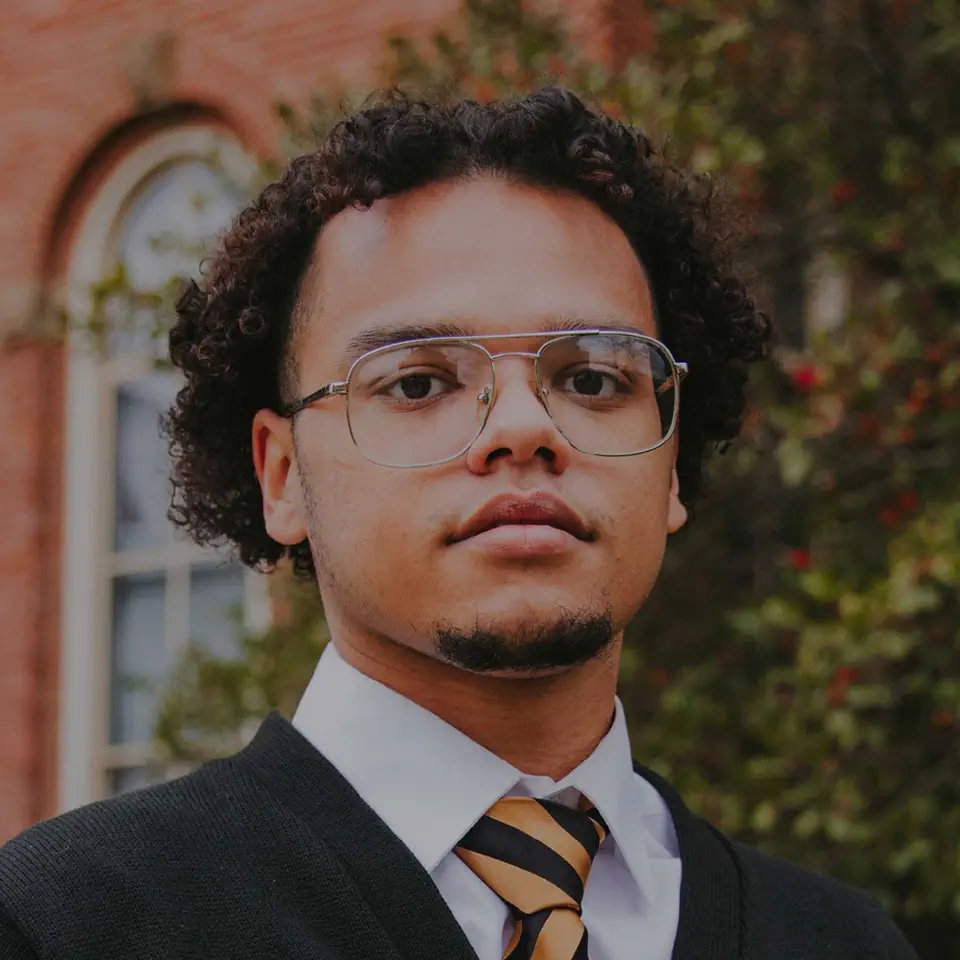
"[Biology] has taught me to think outside of the box. It continues to teach me to be creative and to always ask questions, even if they do not seem important. Sometimes what you think are the worst questions are the most important questions to be asked. Biology has helped me become a better studier and organizer as well. It has taught me to the importance of having a plan and executing that plan to the best of my ability even though it may fail. And if nothing else, biology has taught me that the mitochondria is the powerhouse of the cell, and when in doubt, the answer is allostery."
Deionte Harilla-Gray, PA
BS, Biology, 2021

"As a Biology and Philosophy major in the Eberly College, I learned how the biological sciences apply to human disease and in turn how human diseases impact society. The link between human disease, culture and ethics is what drove me to pursue a career in infectious diseases."
Allison Lastinger, MD
Biology and Philosophy, 2007
FAQs
Common questions and answers about Biology: Pre-Medical.
Biology: Pre-Medical students are introduced to the different subjects and concepts that will be expanded upon in the professional setting. Additionally, our curriculum highlights and teaches concepts that can be seen on standardized testing, such as the MCAT, DAT, or GRE.
Within the Biology: Pre-Medical major, there are classes, such as Advanced Cellular/Molecular Biology, Biochemistry, and Microbiology, that will help in preparation for standardized testing associated with entrances into professional schools.
Places and Spaces
See where you’ll study, research, and create.
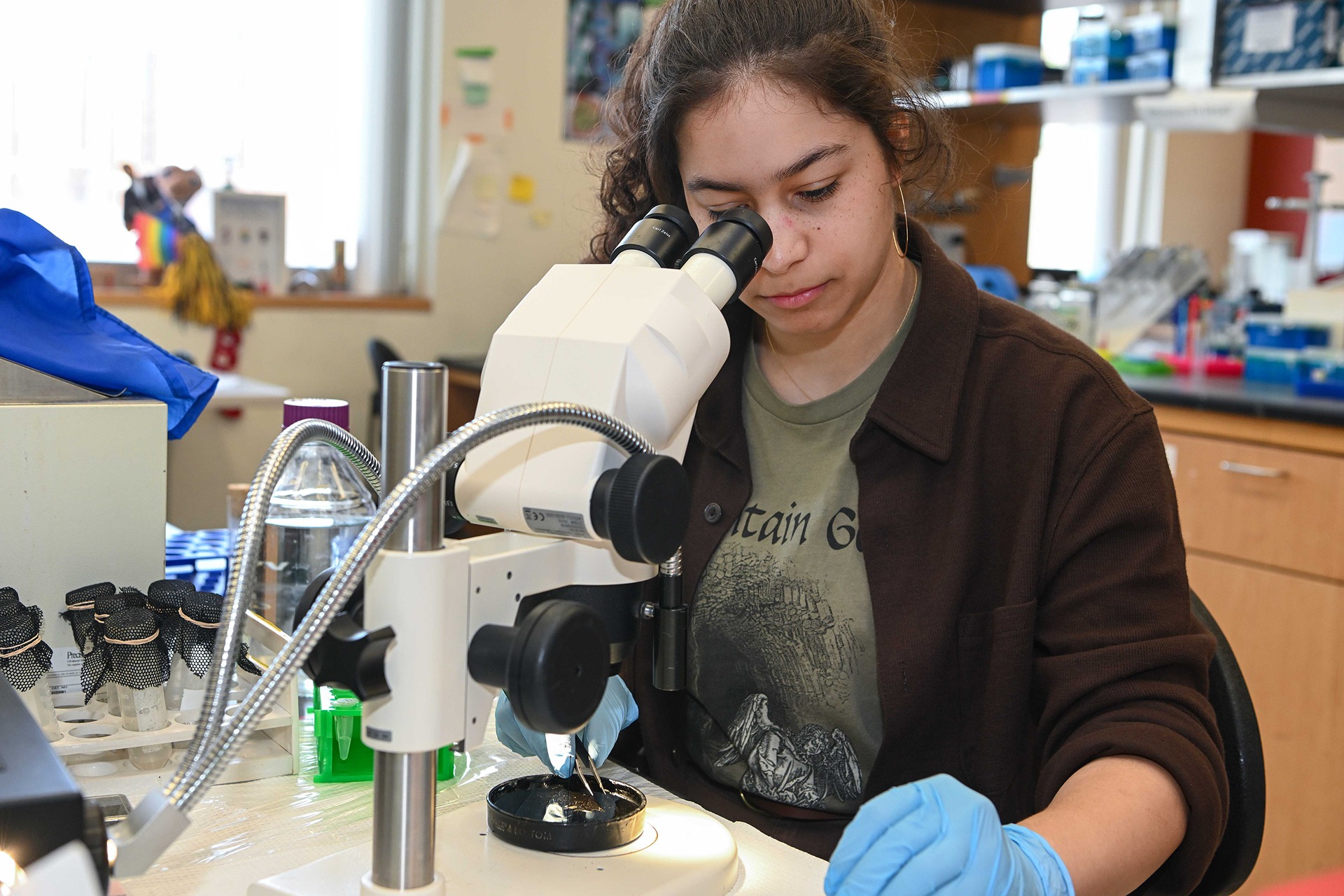
Undergraduate Teaching and Research Labs
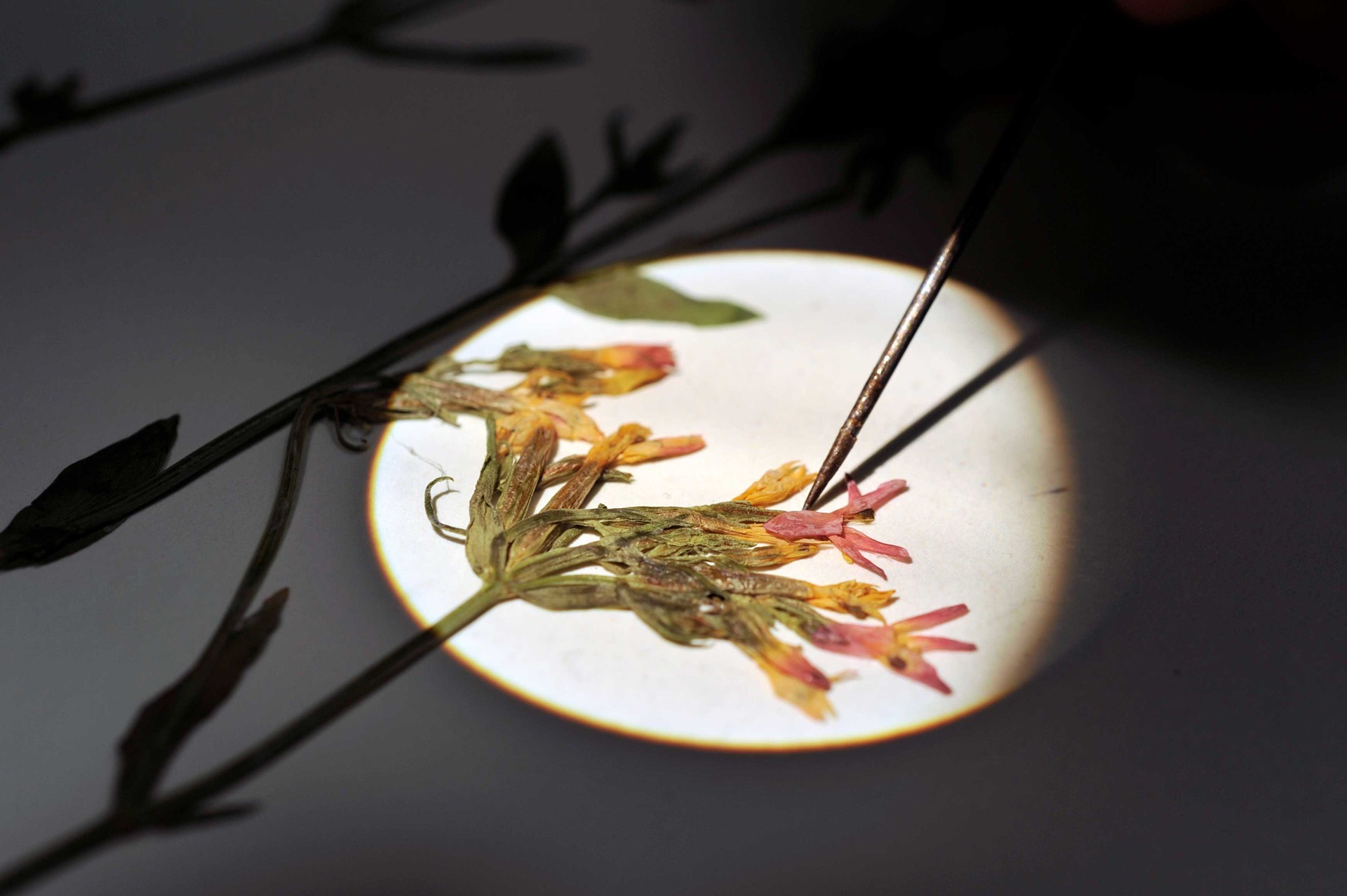
WVU Herbarium
The largest facility of its kind in West Virginia, the WVU Herbarium contains about 185,000 mounted and cataloged vascular plant specimens and approximately 26,000 bryophyte and lichen specimens.
The Herbarium contains the only record in existence of hundreds of localities of rare and endangered plants. Its collections are the basis of ongoing research by the West Virginia Department of Natural Resources, The Nature Conservancy and others on the documentation of these species.
Ecotron and Greenhouses
Genomics Core Facility
Virtual Tour
It’s the next best thing to being here. Virtually tour our campus and residence halls.
Student Life
You'll experience epic traditions, quality academics, and a supportive community that feels like home.
Visit
See WVU in person and start imagining life as a Mountaineer.
Admission Requirements
To be admitted to the Biology: Pre-Medical major, first-time freshmen must meet WVU's first-time freshman admission requirements. Interested in transferring? Review the transfer admission requirements.
Tuition and Aid
How much does Biology: Pre-Medical at WVU cost? And how can you save?
Tuition and Fees
Estimated rates are available on our tuition website. Anyone who is not a current West Virginia resident, including international students, will be charged non-resident rates.
Ways to Save
Beyond scholarships, here are other ways to reduce your cost of attending WVU.
Financial Aid
The most important step toward funding your future with financial aid for the Biology: Pre-Medical, BS is submitting the Free Application for Federal Student Aid, or FAFSA.
Start at Another WVU Campus
You can start your career with WVU at another campus and transfer to WVU Morgantown.
Transfer Articulation Agreements
To simplify the transfer process, we have formal agreements with certain institutions. These agreements outline the courses you should take to prepare for transferring to WVU.
Review the full list of transfer articulation agreements to see if your institution is listed.
Request Info
Want to know more about Biology: Pre-Medical at WVU? Fill out our request form to receive more information.
Visit
Experiencing campus is the best way to see if WVU is the right fit. Choose from in-person and virtual options.