
Biology, BS
When you explore biology, you begin to understand the extraordinary nature of the world, from genes to ecosystems, molecules and cells, structure and function, organisms and their environments.
Through in-depth instruction at the cutting-edge of our discipline, hands-on research conducted with award-winning faculty and experience with next-generation resources and equipment, Biology majors at WVU learn to question, experiment, and innovate. We provide all the opportunities of a large university with a small college feel.
As a Biology major, your career goals may include biological research, medical school, pharmacy, business, or education. Students interested in health professions also have access to additional information and advice through the Pre-Health Advising and Professional Development Office.
Your Degree Plan
Neuroscience 1
BIOL 348
An introduction to neuroscience, including basic neuroanatomical neurophysiology, and the relationship between the central nervous system, physiology, and behavior.
Biochemical Basis of Therapeutics
BIOL 409
This course explores the process of drug discovery and development. The topics emphasized include the biological factors that determine success, failure, or limitation of therapeutics. Other topics include, specific therapeutic areas and regulation.
Medical Genetics
BIOL 418
The use of genetic principles to uncover biological mechanisms of both inherited and infectious diseases. The role of the human genome. The evolution of genetic diseases and the impact on human populations. Genetic medicine and current medical treatments.
Molecular Biology of Cancer
BIOL 426
Exploration of molecular pathways leading to the development of cancer with emphasis on gene expression, cell cycle regulation, and signaling pathways targeted in conventional therapies.
Comparative Anatomy
BIOL 440
A functional and evolutionary study of vertebrate structure.
Molecular Basis of Disease
BIOL 453
Examine medical, ethical, and legal/regulatory issues emerging from the Human Genome Project and its applications to personalized medicine.
Immunology
BIOL 454
Explores the fundamental principles and practices of immunology including how the immune system is organized, how it functions to keep us healthy, and how it can cause allergies and autoimmune disease.
Evolution of Infectious Diseases
BIOL 455
The application of phylogenetics, microbiology, immunology, and epidemiology towards understanding the evolution of infectious diseases. Students will develop a fundamental understanding of the significance of evolution and ecology in infectious disease emergence and control.
Neurobiological Diseases
BIOL 475
The physiological mechanisms of neurobiological diseases. Impact of neurobiological diseases on society. Standard and experimental treatments. Current research.
Cellular and Molecular Biology
Provides all the preparation necessary for the health professions, pharmacy ,and pharmacology, and graduate school in cellular or molecular biology, virology, genetics, immunology, and a variety of related fields.
Ecology, Ecosystems, and Global Change
Integrative Biology
Honors
Expand your curiosity and enhance your curriculum through the WVU Honors College. Two programs are offered: Honors Foundations and Honors in Action.
The WVU Difference
What sets this program apart?
- High medical school acceptance rate for recent graduates.
- Individual and collaborative research activities available.
- Wide variety of classroom environments, from large lecture sections to small group discussions and intensive laboratory-oriented courses.
- Provides a foundation that spans the field’s diverse subdisciplines.
- 4 areas of emphasis offered to focus your studies.
- SpeakWrite Certified Major automatically fulfills the WVU General Education Foundations writing and communication skills requirement.
- The ASPIRE Office helps students compete for nationally competitive scholarships and fellowships and gain admission to graduate or professional school.
- Earn academic credit through Eberly internship courses.
- 500+ scholarships awarded annually by the Eberly College of Arts and Sciences.
- Academic Enrichment Program offers funding for activities that complement, extend, and enhance your academic experience.
Learn by Doing
Get involved outside the classroom.
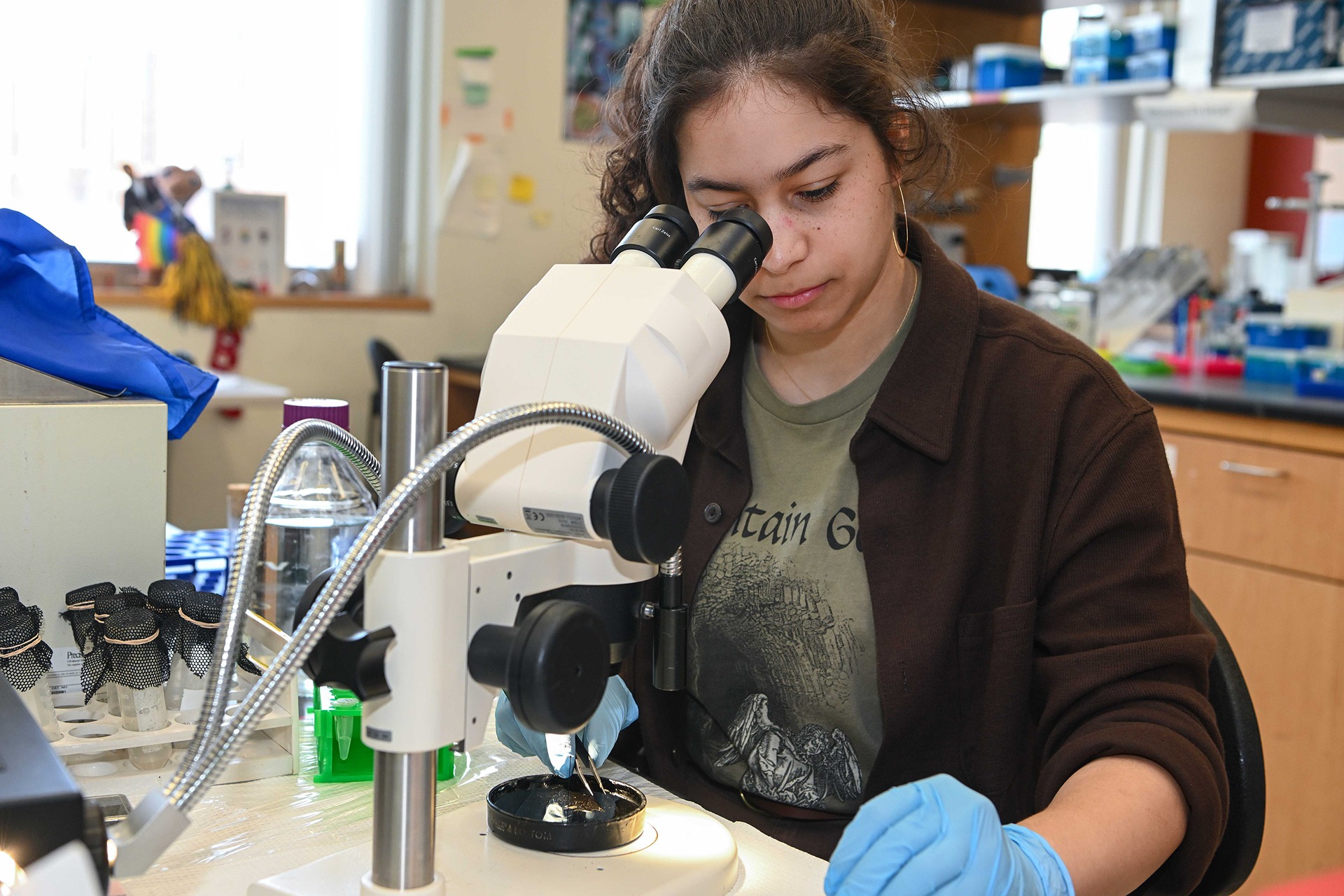
- Laboratory courses include genomics, bioinformatics, comparative anatomy, ecology, ichthyology, invertebrate zoology, molecular genetics, plant systematics, and recombinant DNA technology, as well as many other laboratory experiences across the biological disciplines.
- Through the WVU Summer Undergraduate Research Experience, selected students receive a $3,500 stipend for 8 weeks of research with a faculty mentor. An additional $2,000 is available for travel to a professional conference or for supplies.
- The WVU Cancer Institute offers research fellowships every summer in clinical and basic cancer research. The highly competitive fellowship program provides funding and opportunities for students who want to pursue careers in cancer research or medicine.
- The WVU Center for Neuroscience offers internships of research-intensive training for qualified students. Research opportunities incorporate molecular- to systems-level analyses of nervous-system function. Projects are offered in sensory, cognitive, and behavioral neuroscience; in neural injury and neuro-degeneration; and in neuropsychiatric diseases.
- WVU’s nanotechnology initiative is the focal point for discovery and innovation in nanoscale science, engineering, and education.
- West Virginia’s only research journal exclusively for undergraduate authors, Mountaineer Undergraduate Research Review, publishes outstanding student research.
- Undergraduate research experiences are funded by the National Science Foundation. Over 100 universities across the U.S. offer paid summer research internships in biology. Typically, they pay a stipend, room, board, and travel.
View all of the student organizations you can join.
Careers and Outcomes
How does this degree prepare students for a career?
Dentists, General
Median Salary: $172,790
Possible Job Titles: Dentist, Family Dentist, General Dentist, Pediatric Dentist
Zoologists and Wildlife Biologists
Median Salary: $72,860
Possible Job Titles: Conservation Biologist, Fish and Wildlife Biologist, Fisheries Biologist, Wildlife Biologist
Bioinformatics Scientists
Has a Bright Outlook
May Require Graduate Degree
Median Salary: $93,330
Possible Job Titles: Bioinformaticist, Bioinformatics Scientist, Research Scientist, Scientist
Molecular and Cellular Biologists
Has a Bright Outlook
May Require Graduate Degree
Median Salary: $93,330
Possible Job Titles: Molecular Biologist, Research Scientist
Geneticists
Has a Bright Outlook
May Require Graduate Degree
Median Salary: $93,330
Possible Job Titles: Cardiovascular Geneticist, Medical Geneticist, Research Scientist, Scientist
Biologists
Has a Bright Outlook
May Require Graduate Degree
Median Salary: $93,330
Possible Job Titles: Biologist, Research Biologist, Research Scientist, Scientist
Biological Technicians
Has a Bright Outlook
Median Salary: $52,000
Possible Job Titles: Biological Technician, Laboratory Technician, Research Associate, Research Technician
Biological Science Teachers, Postsecondary
Has a Bright Outlook
Median Salary: $83,460
Possible Job Titles: Associate Professor, Biology Instructor, Biology Professor, Professor
Family Medicine Physicians
Median Salary: $238,380
Possible Job Titles: Family Physician, Family Practice Physician (FP Physician), Medical Doctor (MD), Physician
Preventive Medicine Physicians
Median Salary: $239,200
Possible Job Titles: Occupational Medicine Physician, Physician, Public Health Officer, Public Health Physician
Places and Spaces
See where you’ll study, research, and create.
Undergraduate Teaching and Research Labs
WVU Herbarium
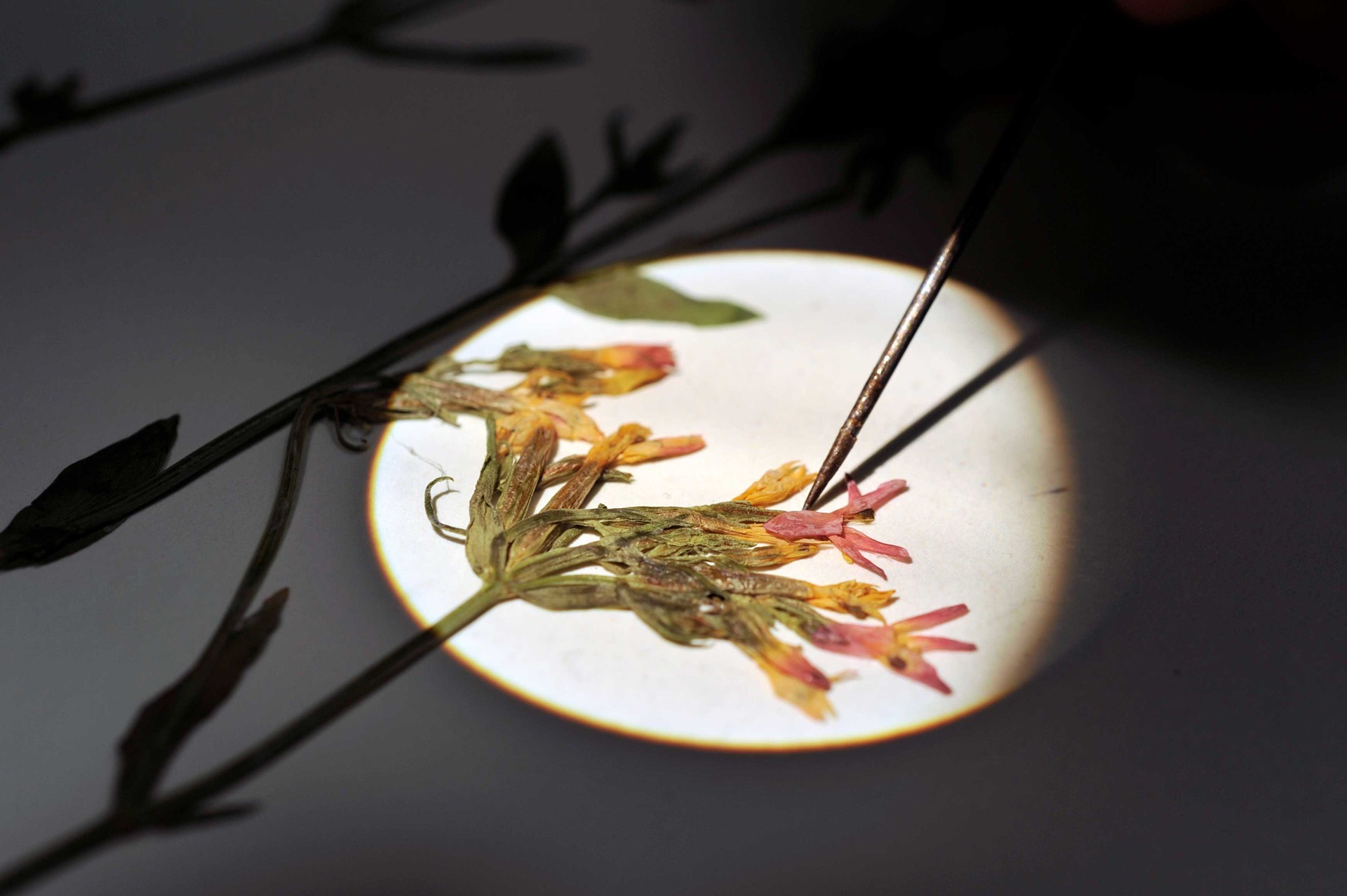
The largest facility of its kind in West Virginia, the WVU Herbarium contains about 185,000 mounted and cataloged vascular plant specimens and approximately 26,000 bryophyte and lichen specimens.
The Herbarium contains the only record in existence of hundreds of localities of rare and endangered plants. Its collections are the basis of ongoing research by the West Virginia Department of Natural Resources, The Nature Conservancy and others on the documentation of these species.
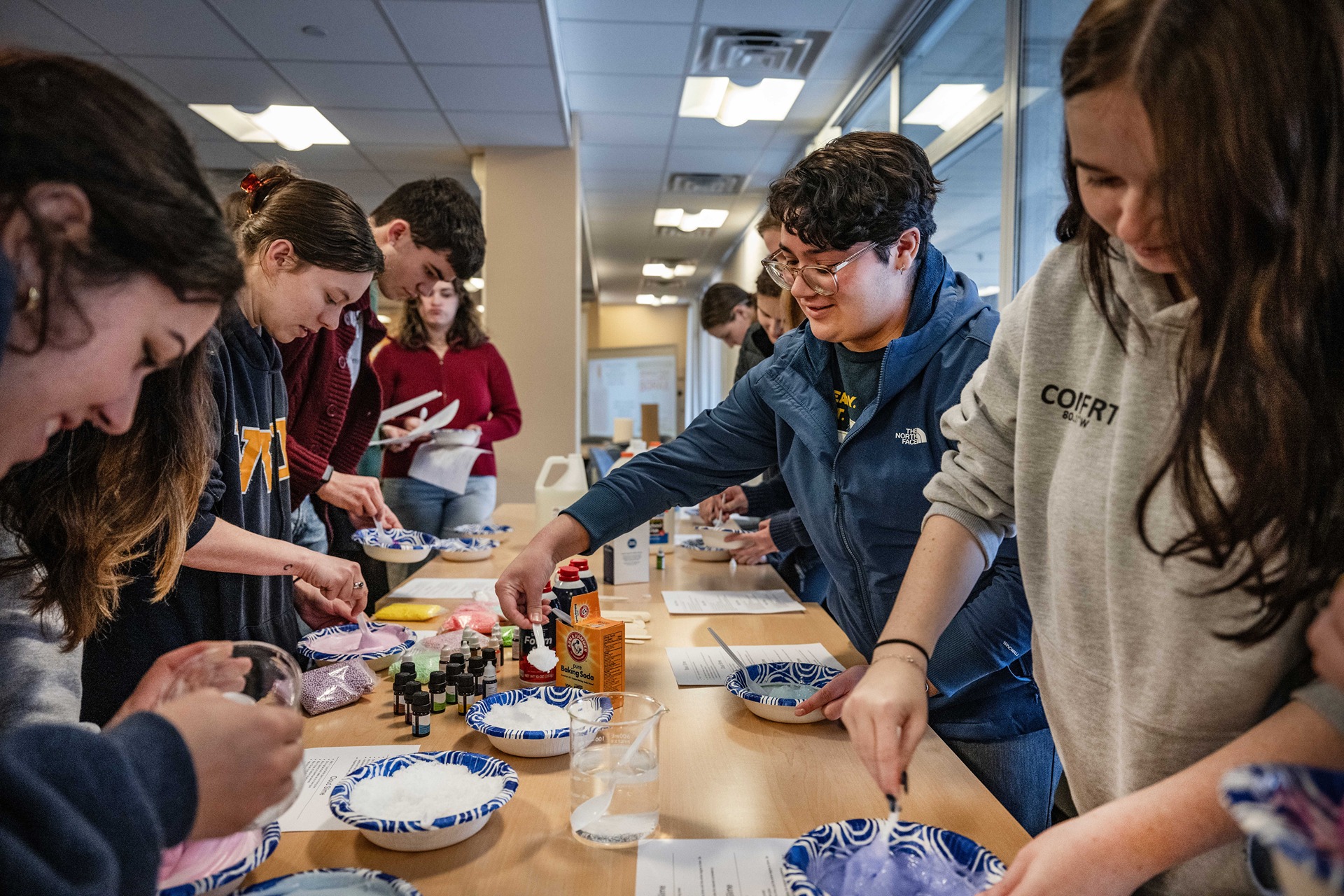
STEM Learning Center
Ecotron and Greenhouses
Genomics Core Facility
Virtual Tour
It’s the next best thing to being here. Virtually tour our campus and residence halls.
Student Life
You'll experience epic traditions, quality academics, and a supportive community that feels like home.
Visit
See WVU in person and start imagining life as a Mountaineer.
Admission Requirements
To be admitted to the Biology major, first-time freshmen must meet WVU's first-time freshman admission requirements. Interested in transferring? Review the transfer admission requirements.
Tuition and Aid
How much does Biology at WVU cost? And how can you save?
Tuition and Fees
Estimated rates are available on our tuition website. Anyone who is not a current West Virginia resident, including international students, will be charged non-resident rates.
Ways to Save
Beyond scholarships, here are other ways to reduce your cost of attending WVU.
Financial Aid
The most important step toward funding your future with financial aid for the Biology, BS is submitting the Free Application for Federal Student Aid, or FAFSA.
Start at Another WVU Campus
You can start your career with WVU at another campus and transfer to WVU Morgantown.
Transfer Articulation Agreements
To simplify the transfer process, we have formal agreements with certain institutions. These agreements outline the courses you should take to prepare for transferring to WVU.
Review the full list of transfer articulation agreements to see if your institution is listed.
Request Info
Want to know more about Biology at WVU? Fill out our request form to receive more information.
Visit
Experiencing campus is the best way to see if WVU is the right fit. Choose from in-person and virtual options.