
Biochemistry, BS
Your Degree Plan
General Microbiology
AEM 341
Introductory morphological, cultural, and physiological characteristics of microorganisms; application of microbiology to agriculture, home economics, and health.
Principles of Biochemistry 2
AGBI 420
In this course, students will study metabolic pathways and their regulation as they relate to the 4 main classes of biomolecules: carbohydrates, lipids, proteins, and nucleic acids. This course serves as the second of a 2-semester biochemistry sequence required of all biochemistry majors.
Environmental Chemistry
CHEM 312
Dives into how chemicals move and react in nature, and how we can tackle their environmental impact.
Biochemistry 1
CHEM 362
In this course, students will focus on the structure and function of the four main types of biomolecules: carbohydrates, lipids, proteins, and nucleic acids.
Advanced Cellular/Molecular Biology
BIOL 310
Advanced study of molecular mechanisms underlying fundamental cellular processes.
Cell and Molecular Biology Methods
BIOL 410
Introduction to the theory, application, ethic, and economics of biotechnologies.
Biochemistry of Nucleic Acids and Proteins
BIOL 423
Focuses on the biochemistry of proteins and nucleic acids, with an emphasis on application of advanced knowledge to contemporary problems in cell biology, neuroscience, and immunology. Develops critical thinking, predictive, and problem-solving abilities that prepare students for health-related professional/graduate schools and the biotech industry.
Science of Food Preparation
HN&F 348
Explore functional properties of ingredients and applied scientific theories of food preparation.
Animal Pathology
VETS 302
Diseases of farm animals with special emphasis on their cause, prevention, and control.
Honors
Expand your curiosity and enhance your curriculum through the WVU Honors College. Two programs are offered: Honors Foundations and Honors in Action.
The WVU Difference
What sets this program apart?
- Only intercollegiate program offered at WVU. Students are members of both the Davis College of Agriculture and Natural Resources and the Eberly College of Arts and Sciences.
- Dedicated Biochemistry teaching labs in 3 departments (School of Agriculture and Food Systems, Chemistry, and Biology) containing instrumentation required for a full laboratory experience.
- Students eligible for enrichment funds from both the Davis and Eberly Colleges to fund special activities like undergraduate research and study abroad.
- Scholarships available from both colleges.
- Field trips to major research, healthcare, or teaching facilities to tour and learn about internship and career opportunities.
- Biochemistry students are regularly recognized as WVU Foundation Outstanding Seniors and named to the Order of Augusta.
- 64% of graduates over the last 5 years went directly to professional or graduate school.
Learn by Doing
Get involved outside the classroom.
- Our students are actively involved in research across campus in programs like the Summer Undergraduate Research Experience and the Summer Undergraduate Cancer Research Fellowship offered by the WVU Cancer Institute.
- Experiential learning (research, internships, teaching, etc.) is required of all Biochemistry majors.
- Students can earn course credit for research, teaching, internships, and other experiences through the experiential learning elective. Advisers can help students sustain their experiences over several semesters, or identify paid opportunities in the summer.
- Connect with the Undergraduate Research, Education Abroad, and Pre-Health Professional Development offices for even more opportunities.
View all of the student organizations you can join.
- Science process skills - the ability to design, implement, analyze, and present experiments.
- Interpersonal skills - teamwork, communication, leadership, cultural competence.
- Specific lab/technical skills - including (but not limited to!) PCR, DNA sequencing, cell culture, NMR, protein analysis.
Before graduating, all undergraduates in this major complete an academic project (or “capstone”) to demonstrate their research, communication and critical thinking skills. Projects have included:
- Impact of different omega-3 polyunsaturated fatty acids on brain fatty acid composition, gene expression, oxidative stress, and inflammation in young female rats.
- O-Methyltransferases in Anisaldehyde Biosynthesis of Strawberry Flowers.
- Probing the morphological and mechanical changes in a C. elegans model of Huntington’s Disease.
- Testing of a metabolic engineering strategy in plants.
- The effect of HeatResis® on heat tolerance in spinach.
Careers and Outcomes
How does this degree prepare students for a career?
Biochemists and Biophysicists
Has a Bright Outlook
May Require Graduate Degree
Median Salary: $103,650
Possible Job Titles: Analytical Research Chemist, Biochemist, Biophysics Researcher, Scientist
Biologists
Has a Bright Outlook
May Require Graduate Degree
Median Salary: $93,330
Possible Job Titles: Biologist, Research Biologist, Research Scientist, Scientist
Chemists
Has a Bright Outlook
Median Salary: $84,150
Possible Job Titles: Analytical Chemist, Chemist, Research Chemist, Scientist
Biological Technicians
Has a Bright Outlook
Median Salary: $52,000
Possible Job Titles: Biological Technician, Laboratory Technician, Research Associate, Research Technician
Dentists, General
Median Salary: $172,790
Possible Job Titles: Dentist, Family Dentist, General Dentist, Pediatric Dentist
Family Medicine Physicians
Median Salary: $238,380
Possible Job Titles: Family Physician, Family Practice Physician (FP Physician), Medical Doctor (MD), Physician
Veterinarians
Has a Bright Outlook
May Require Graduate Degree
Median Salary: $125,510
Possible Job Titles: Doctor of Veterinary Medicine (DVM), Emergency Veterinarian (Emergency Vet), Small Animal Veterinarian (Small Animal Vet), Veterinary Medicine Doctor (DVM)
Meet Your Community
The Biochemistry family will inspire you.
Dana Huebert Lima

Professional Highlights
- Teaching (Associate) Professor, Academic Adviser and Associate Chair for Undergraduate Studies
- Award winning academic adviser and teacher.
- Brought the Inclusive STEM Teaching Project to WVU, and has worked with nearly 30 graduate students and faculty, including 8 faculty and 4 graduate students in the Biology department, to encourage and facilitate inclusive teaching practice in STEM fields.
- Developed and implemented the Honors EXCEL program, which fosters experiential learning across campus and encourages student-led initiatives.
- Developing and implementing new curricula for Biology: Pre-Medical students.
Carolyn Kitchens

Professional Highlights
- Academic Adviser
- Courses commonly taught: Biochemistry 1, Cellular and Molecular Biological Methods, Biochemistry of Therapeutics
- Co-adviser of the WVU Biochemistry Club (2021-Present)
- John R. Taylor Memorial Award in the Liberal Arts for Excellence in Teaching and Research Across the Liberal Arts (Bethany College, 2016)
- Adviser of the Year Award (Bethany College, 2015)
Cassandra Orndorff
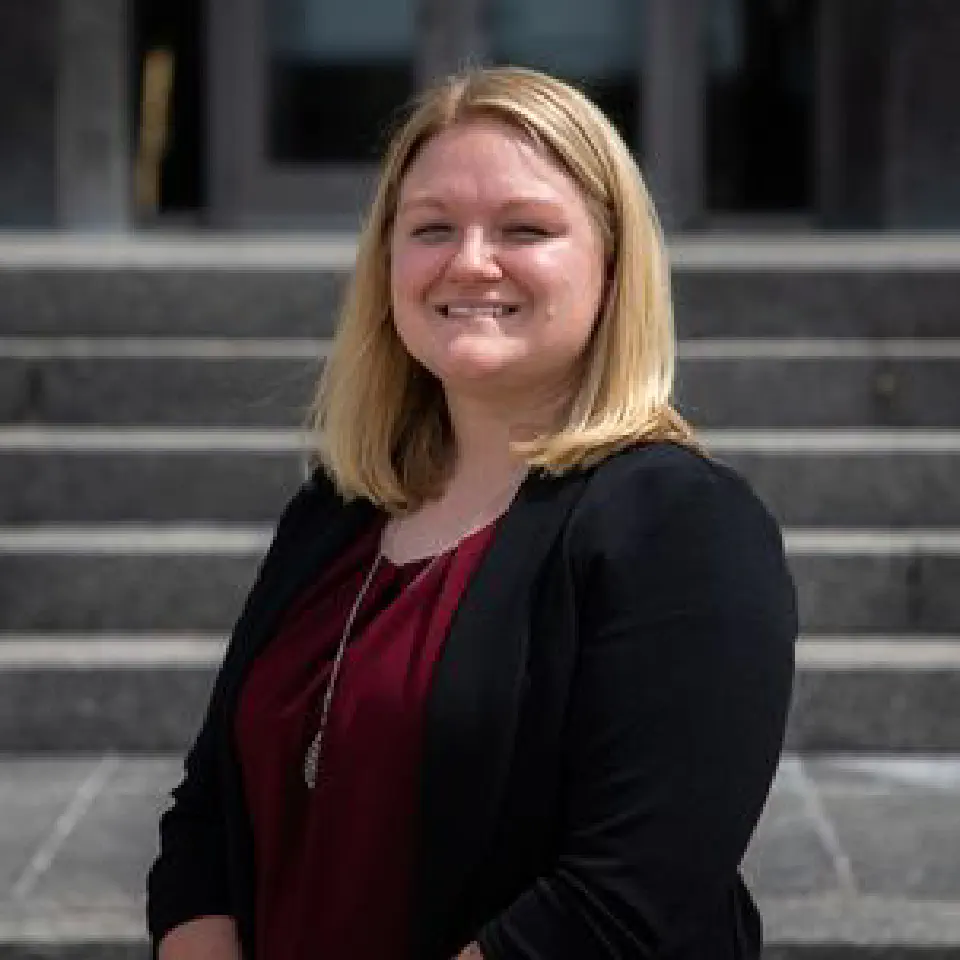
Professional Highlights
- Academic Adviser
- Courses commonly taught: Biochemistry 2 with lab, 1st-year seminar
- Co-adviser of WVU Biochemistry Club
- Alum of the WVU Biochemistry program

"My favorite thing about the biochemistry program is being able to study 2 of my favorite subjects while being supported by so many great faculty members. I have learned more about biology, chemistry, and myself at WVU than I could have ever imagined."
Jacob Devilder
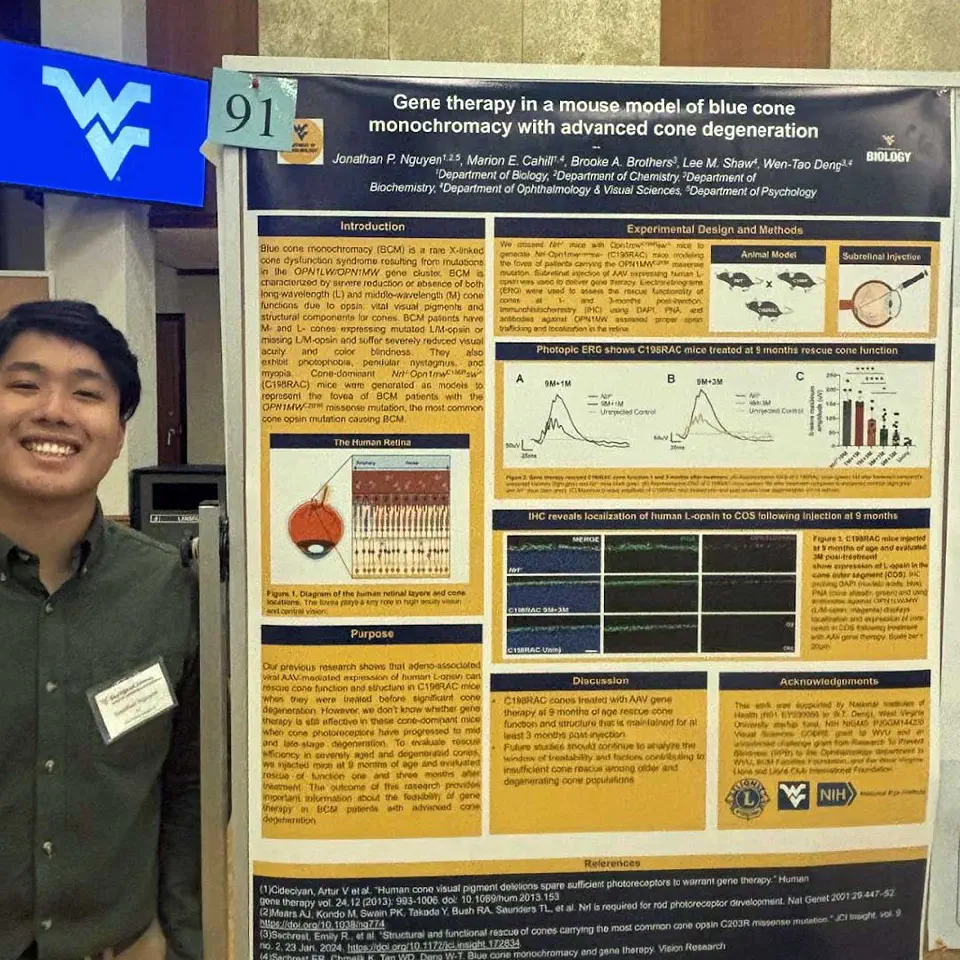
"I chose biochemistry as my major because of my enjoyment in my high school biology and chemistry classes. I didn't want to commit to just 1 chemistry or biology major, so I chose the major that fit the best of both worlds."
Jonathan Nguyen
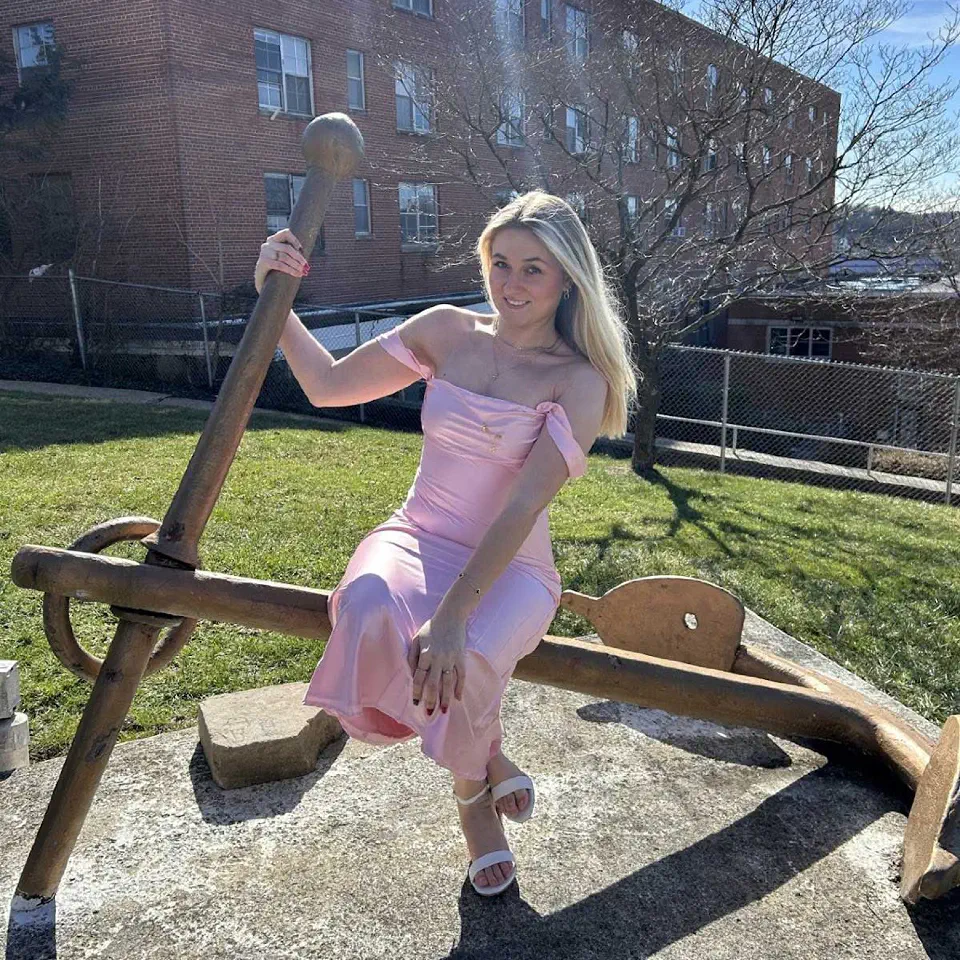
As a biochemistry major with a minor in molecular medicine at WVU, I’ve loved getting involved both inside and outside the classroom. From playing club volleyball and joining Delta Gamma to diving into exciting research projects, WVU has given me endless opportunities to learn, grow, and truly find my passion.
Abby Ruth

I chose biochemistry because I wanted to do something flexible that would allow me to work in medicine in the future. I knew I wanted to pursue a degree in STEM, but I wasn't sure if I wanted to pursue veterinary or human medicine. Biochemistry is so versatile that I can pursue a program in either field and can make that post-undergraduate school decision later.
Avery Smith
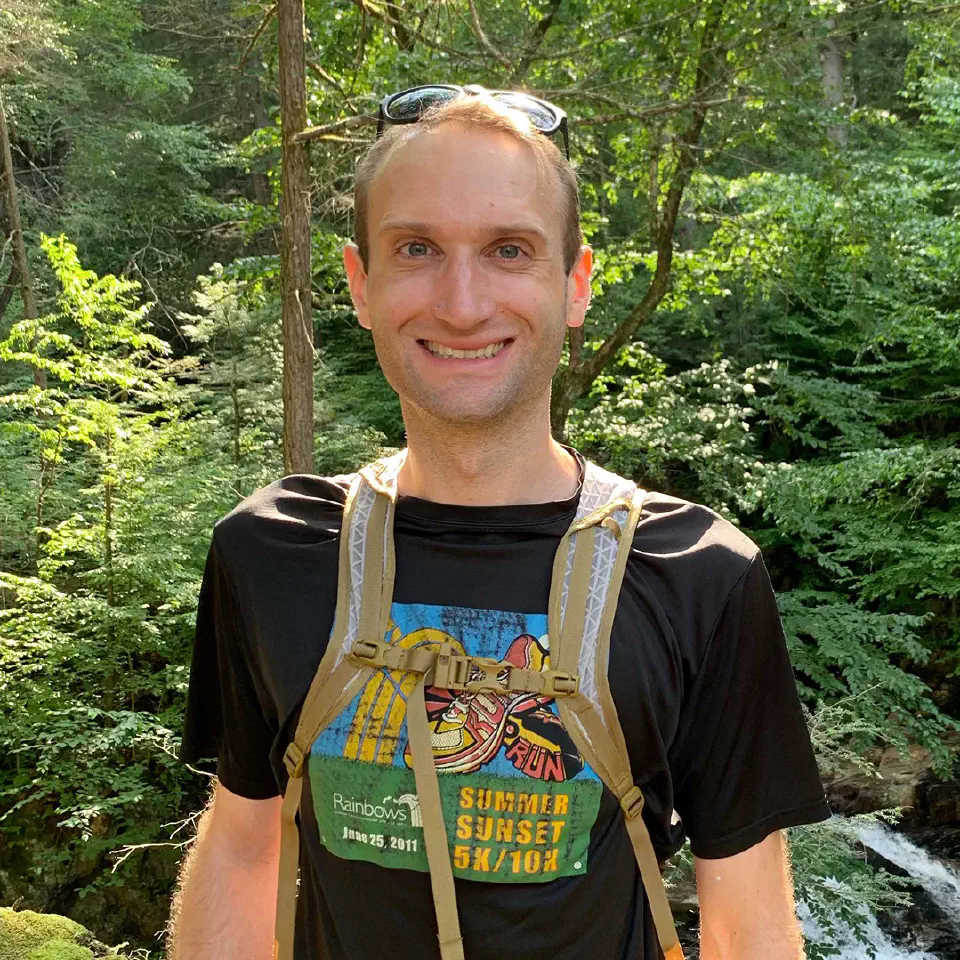
"As a first-generation, low-income college student, affordability was important to me. WVU offered me a great financial aid package, and I was fortunately able to graduate student debt-free. I transitioned directly from my biochemistry bachelor’s program at WVU to Harvard University’s Systems, Synthetic, and Quantitative Biology PhD Program. I felt very well prepared for the course curriculum I encountered, especially in topics like biochemistry and molecular cell biology."
Adam Carte, PhD
BS, Biochemistry
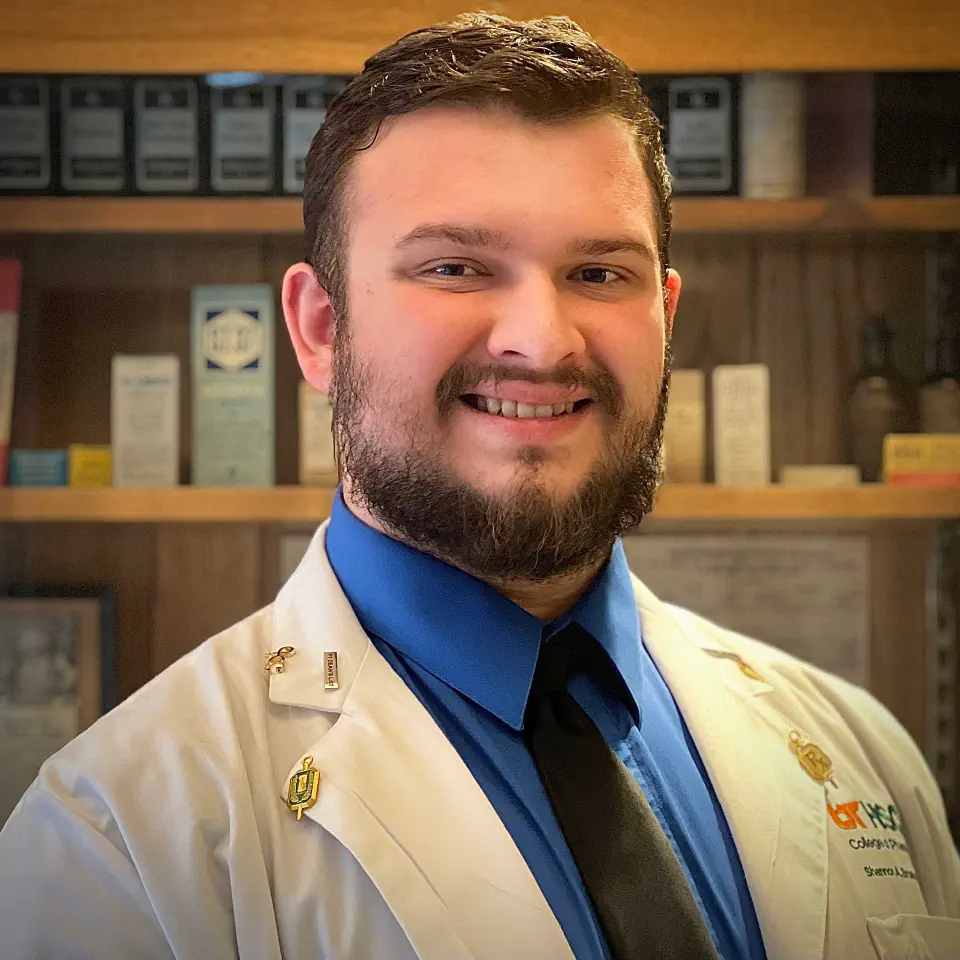
"My ultimate goal ever since I was a child was to become a pharmacist. When thinking about the best path into pharmacy, I was debating between a biology or a chemistry degree. However, once I saw that WVU offered a degree in biochemistry, I knew that would allow me to be best prepared for a future in pharmacy."
Shannon Brunzo-Hager, PharmD
BS, Biochemistry
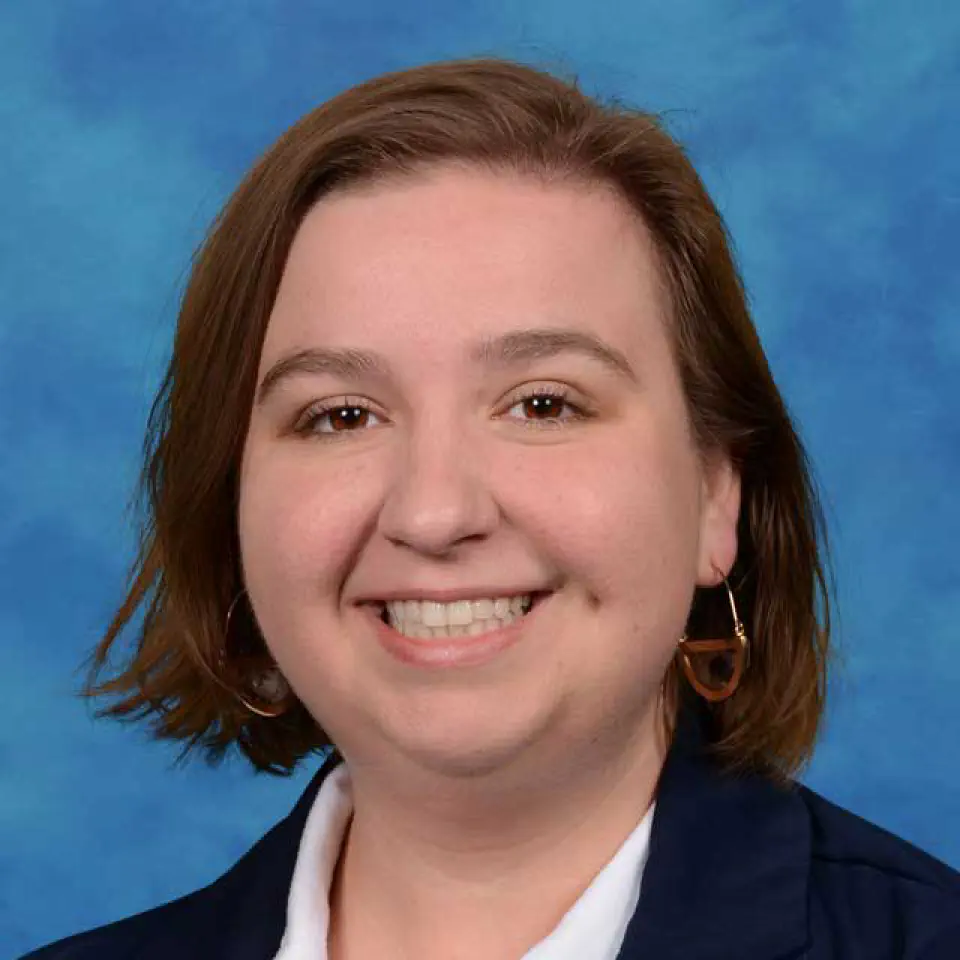
"The advanced content I learned at WVU has been helpful in my career as a science teacher at a private boarding school. While it is my top priority to teach my students the basics in biology and chemistry, being able to make higher-level connections has been critical to my success in the education field."
Ashley Leslie
BS, Biochemistry

"WVU has every aspect available to succeed in a career in medicine. The classes themselves are thought provoking, difficult, and yet enjoyable. I still remember specific lectures that altered my understanding of science forever. Professors like Dr. Bidwai and Dr. Huebert Lima were able to engage students in ways I haven’t experienced since. My other fellow biochemistry majors went on to have incredible and diverse careers, all made possible by WVU."
Natalie Mastroianni, MD
BS, Biochemistry
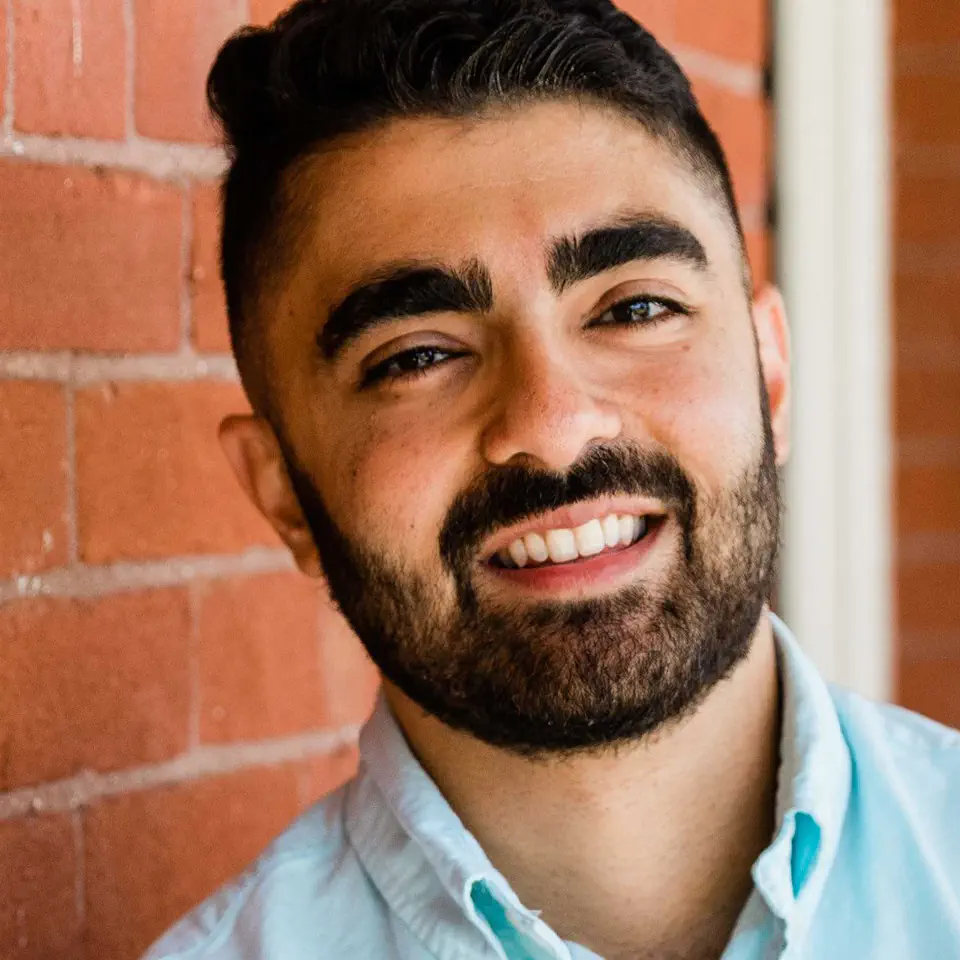
"WVU gave me a strong foundation ... not just technically, but in how to think. The coursework challenged me to be precise, and the research experiences gave me the freedom to explore and the resilience to fail and try again. I also learned how to communicate science clearly, which has been critical in my work in venture capital where I evaluate emerging technologies and support founders building at the edge of possibility."
Nima Ronaghi, PhD
BS, Biochemistry
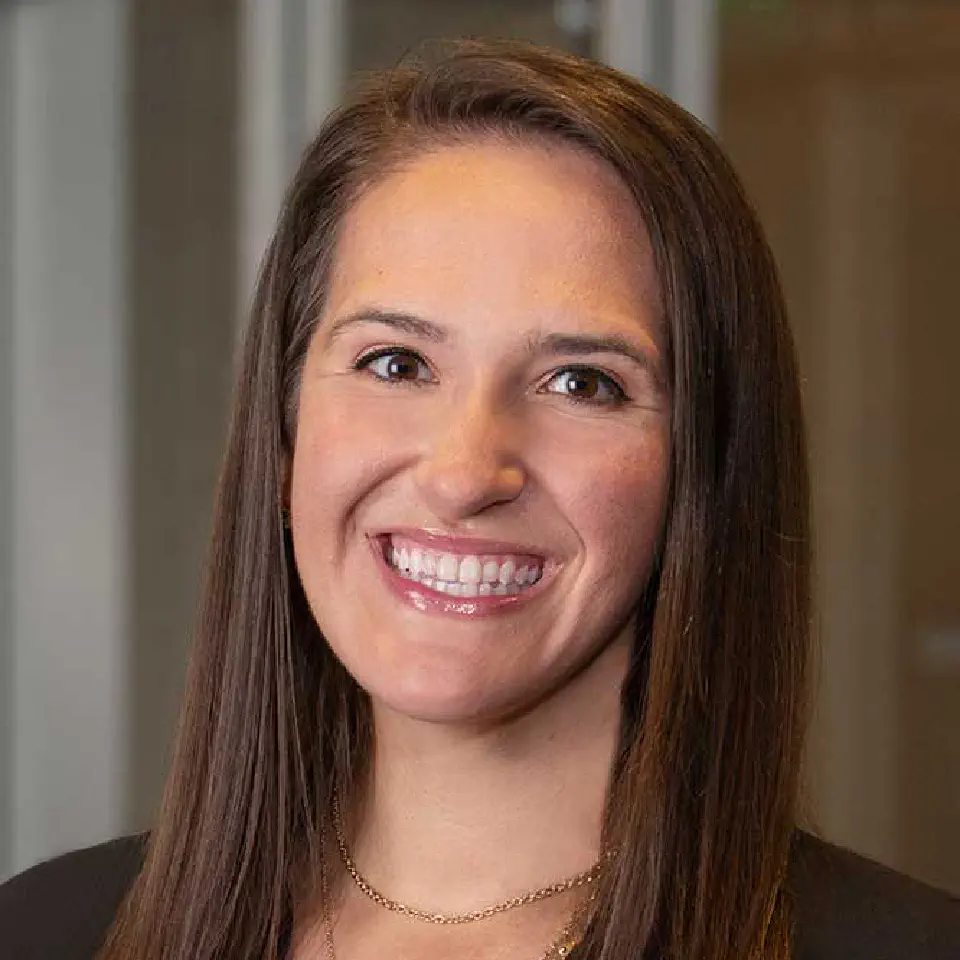
"The academic rigor of the biochemistry program really helped prepare me for law school, and my legal career. The professors push you because they want you to succeed, and provide you opportunities to get to know them and figure out your learning style, which you can use throughout life. Additionally, there are a wide variety of classes that allow you to tailor your education to life following graduation, even if that doesn’t always mean staying directly in the STEM field."
Jordin Wilcher, JD
BS, Biochemistry
FAQs
Common questions and answers about Biochemistry.
- Post-baccalaureate health professions programs (medical, dental, optometry, veterinary, physician assistant)
- Master’s and doctoral programs in health, agricultural, or environmental science
- Jobs right out of college in industry, government, or academia
Places and Spaces
See where you’ll study, research, and create.
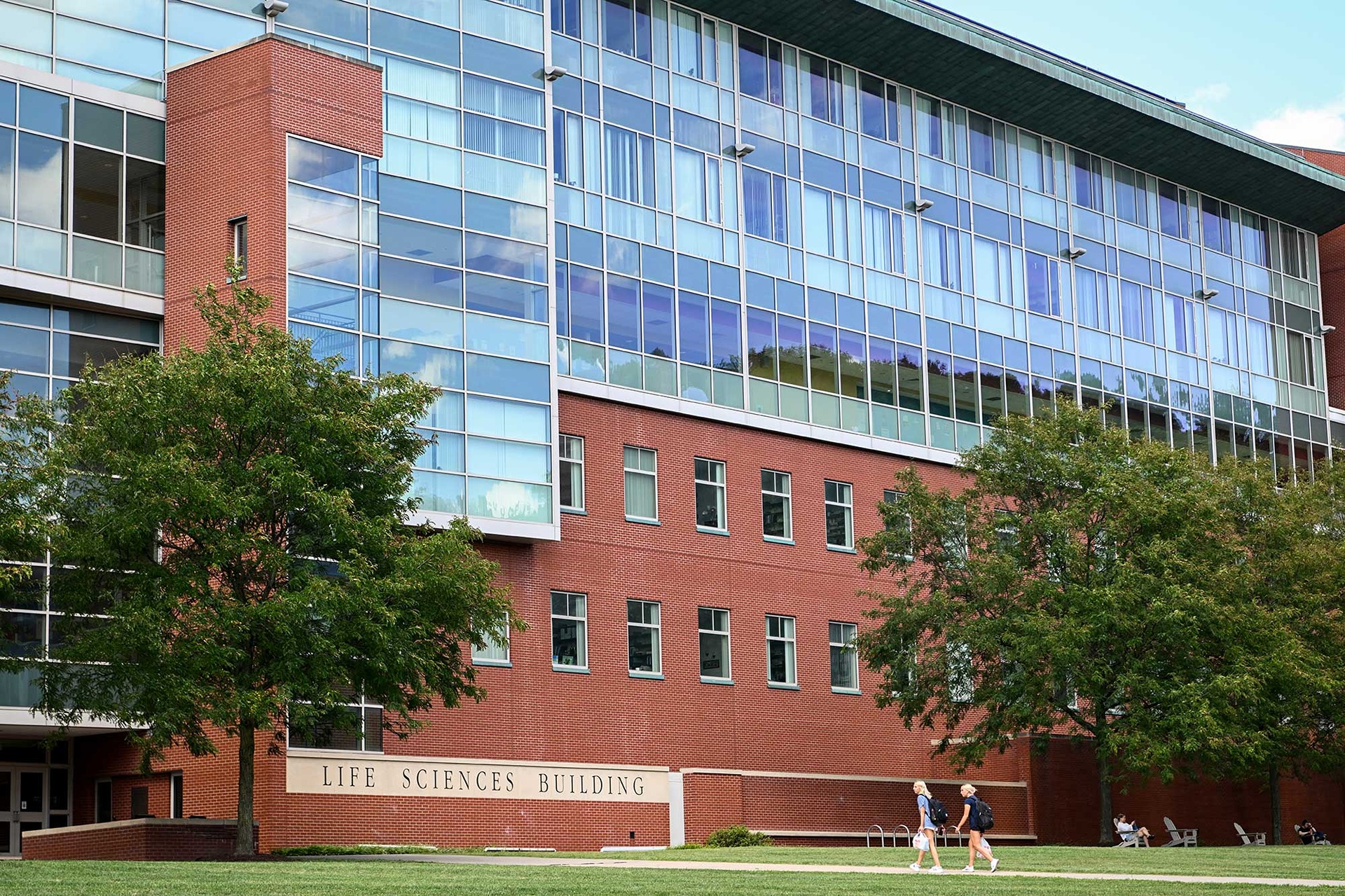
Life Sciences Building
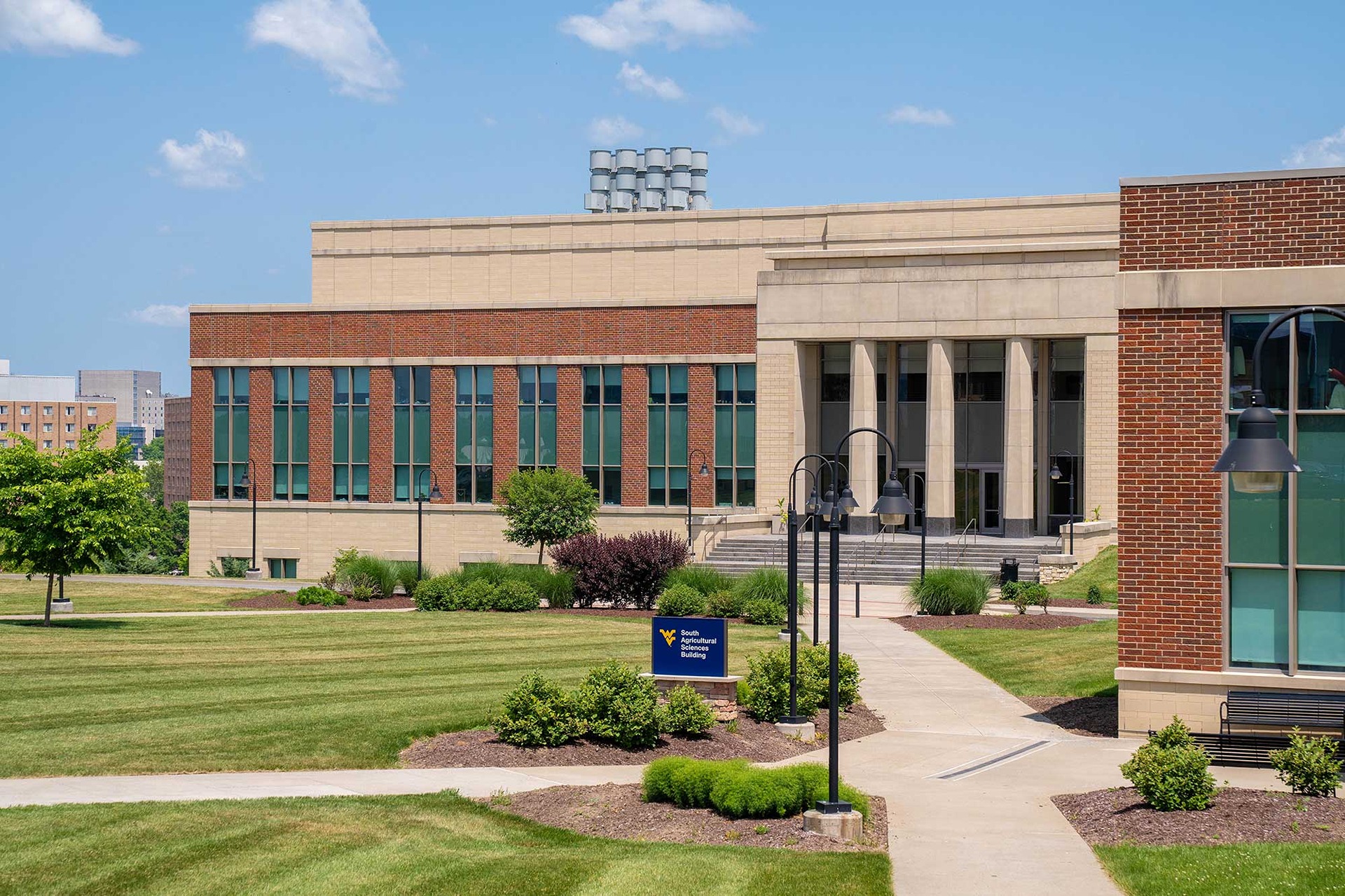
Agricultural Sciences Building
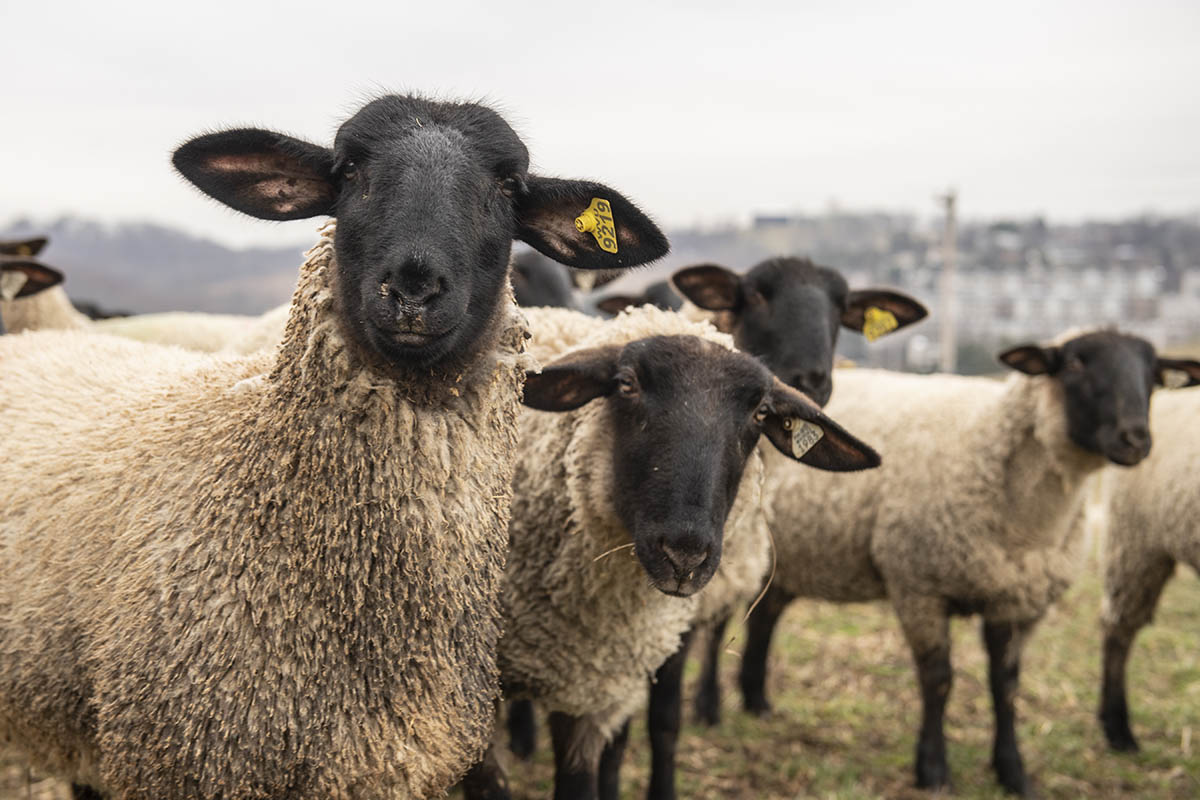
Animal Science Farm
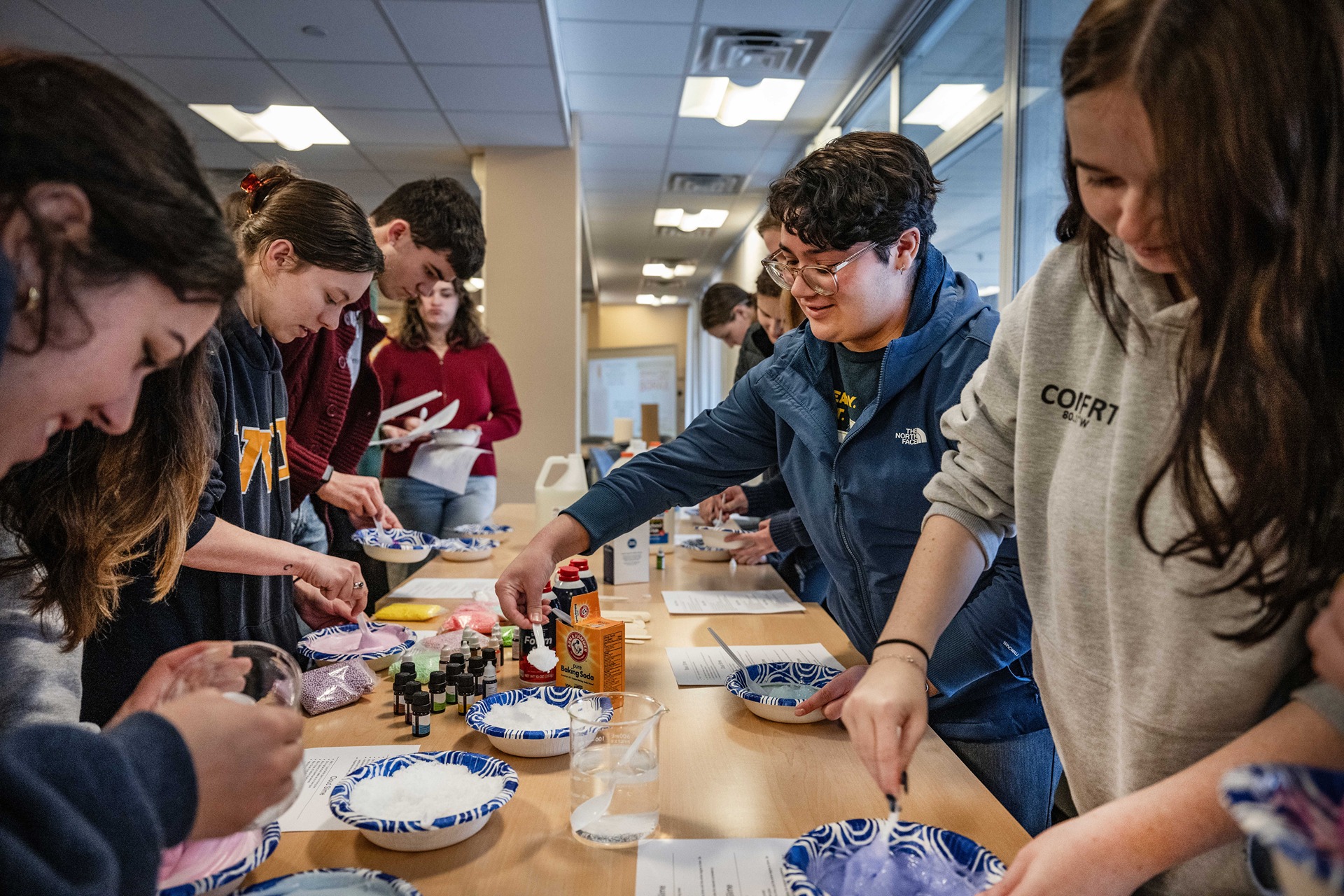
Chemistry Learning Center/STEM Learning Center
Virtual Tour
It’s the next best thing to being here. Virtually tour our campus and residence halls.
Student Life
You'll experience epic traditions, quality academics, and a supportive community that feels like home.
Visit
See WVU in person and start imagining life as a Mountaineer.
Admission Requirements
To be admitted to the Biochemistry major, first-time freshmen must meet WVU's first-time freshman admission requirements. Interested in transferring? Review the transfer admission requirements.
Tuition and Aid
How much does Biochemistry at WVU cost? And how can you save?
Tuition and Fees
Estimated rates are available on our tuition website. Anyone who is not a current West Virginia resident, including international students, will be charged non-resident rates.
Ways to Save
Beyond scholarships, here are other ways to reduce your cost of attending WVU.
Financial Aid
The most important step toward funding your future with financial aid for the Biochemistry, BS is submitting the Free Application for Federal Student Aid, or FAFSA.
Ohio Tuition Reciprocity
As the result of a special agreement, students from Ohio who are fully admitted to Biochemistry can enroll at WVU and pay in-state tuition rates. Students must be admitted to both the University and this major.
Start at Another WVU Campus
You can start your career with WVU at another campus and transfer to WVU Morgantown.
Transfer Articulation Agreements
To simplify the transfer process, we have formal agreements with certain institutions. These agreements outline the courses you should take to prepare for transferring to WVU.
Review the full list of transfer articulation agreements to see if your institution is listed.
Request Info
Want to know more about Biochemistry at WVU? Fill out our request form to receive more information.
Visit
Experiencing campus is the best way to see if WVU is the right fit. Choose from in-person and virtual options.