
Anthropology, BA
- As an Anthropology major, you’ll examine the origins and evolution, biological characteristics, material culture, and social dimensions of humankind, gaining a broad range of perspectives on the experiences and meanings of being human.
- You’ll be exposed to the methods of inquiry and to the special knowledge and insights of anthropology.
- Our program prepares you for graduate school and careers in anthropology, or for a broad range of jobs and careers in the public, nonprofit, or private sectors.
- Our program offers a close-knit community of students and faculty.
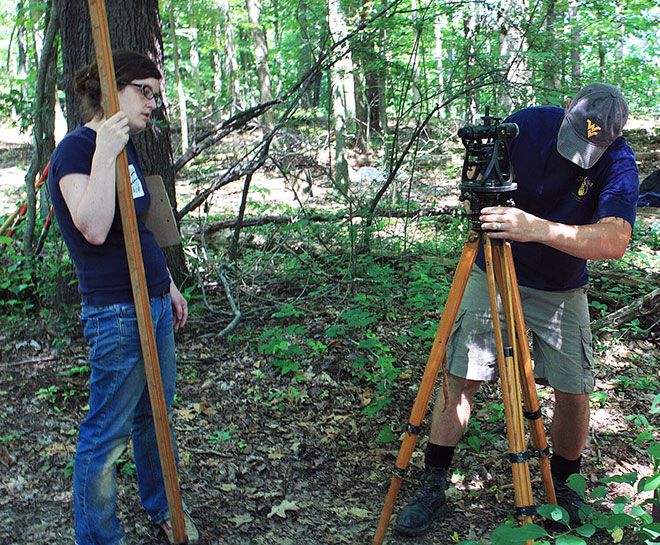
- We direct and encourage opportunities for hands-on and experiential learning experiences, whether through research labs, field schools, internships, or study abroad programs.
Your Degree Plan
Latin American Culture
ANTH 350
Ethnographic analyses of the peoples, culture, history, and politics of Latin America, and its relation to the global processes. Consideration of popular cultures, political violence, and impacts of colonialism, neocolonialism, and globalization.
Human Osteology
ANTH 349
Introduction to the anthropological study of the human skeletal system. Emphasis on the methods for identifying human remains (including identification of complete bones and important skeletal markers) and methods used to conduct a biological profile for an individual (including determination of age, sex, ancestry, and pathology/trauma estimation).
Material Culture
ANTH 451
Examines physical aspects of culture, including human-made and natural objects and spaces. Applies an interdisciplinary perspective that is rooted in archaeology and cultural anthropology and draws on a number of methodological and theoretical approaches.
Honors
Expand your curiosity and enhance your curriculum through the WVU Honors College. Two programs are offered: Honors Foundations and Honors in Action.
The WVU Difference
What sets this program apart?
- Comprehensive curriculum covers 3 major subfields of anthropology (archaeological, biological, cultural), in addition to training in theory and methods.
- A student-focused program with small class sizes, allowing for close student-faculty interaction and mentoring.
- Experiential and field-based learning opportunities, often part of faculty research, through the WVU Archaeology Lab, the WV Environment and Society Lab, and a faculty Research Group, as well as WVU undergraduate SURE and RAP programs.
- Guidance in selecting field schools, internships, and study abroad opportunities.
- No academic major captures the breadth and depth of human experience like anthropology!
- Earn academic credit through Eberly internship courses.
- 500+ scholarships awarded annually by the Eberly College of Arts and Sciences.
- Academic Enrichment Program offers funding for activities that complement, extend, and enhance your academic experience.
Learn by Doing
Get involved outside the classroom.
- Summer Undergraduate Research Experience: An 8-week WVU summer program for students interested in graduate school and research/creative work in their discipline or a related discipline. Participants work under the direction of a WVU faculty research mentor and a graduate or post-doctoral mentor. Students interested in research careers are especially encouraged to apply.
- Research Apprenticeship Program: A 2-semester WVU program for students with limited or no research experience. Students can earn course credit and use federal work-study funds for undergraduate research apprenticeships with WVU research faculty.
- Environment and Society Lab: A virtual space for teaching, collaboration and advocacy focused on the intersection of environment and society in West Virginia and Appalachia.
- Research Center on Violence: Conducts research and publishes scholarly work to prevent and control violent behaviors. The research informs progressive policies seeking to reduce violence in West Virginia, the U.S., and worldwide.
- Arch Lab: Offers practical archaeological experience and promotes West Virginia archaeology and the research potential of legacy collections. It’s a welcoming and inclusive environment for students passionate about archaeology.
- Hirshman Research Group - Archaeology Research lab
- ANTH 491 Professional Field Experience
- ANTH 495 Independent Study
- ANTH 497 Research
- Spring break or semester Service Learning Study Abroad, Cochabamba, Bolivia
View all of the student organizations you can join.
- American Alliance of Museums
- American Anthropological Association
- American Association for State and Local History
- American Association of Biological Anthropologists
- American Cultural Resource Association
- American Sociological Association
- Archaeological Institute of America
- Consortium of Practicing and Applied Anthropology Programs
- Cultural Resource Network
- National Association for the Practice of Anthropology
- National Center for Preservation Technology and Training
- Society for Applied Anthropology
- Society for Historical Archaeology
- The Register of Professional Archaeologists
- American Anthropological Association: Field Schools and Internships
- WVU Center for Resilient Communities Internship Program
- WV Governor’s Internship Program
- Register of Professional Archaeologists: Certified Field Schools
- Institute for Field Research
- Twin Cairns
- Expeditions: Research in Applied Anthropology
- The Open School of Ethnography and Anthropology Community Institute for Transcultural Exchange
- eCultural Resources (Cultural Resource Network)
- National Park Service
- Student Conservation Association
- Crow Canyon Archaeological Center
- Center for American Archaeology, Kampsville Archaeological Center
- Interpersonal skills necessary to work in a team environment
- Communication skills that enable individuals to convey technical information to a wide audience
- Critical thinking skills necessary to perform thorough and well-constructed research
- Cultural sensitivity that enables individuals to work collaboratively with diverse groups of people
- Adaptability
- Ability to work in challenging environments or foreign settings
- Appreciation for the diversity present in humans as a species and in human populations
Careers and Outcomes
How does this degree prepare students for a career?
Career options
Anthropology graduates can pursue a variety of careers, including:
- Archaeologist
- Museum Technician
- Design Anthropologist
- Ethnographer
Where graduates are working
WVU Anthropology graduates have recently joined the workforce at:
- University of Pittsburgh Department of Medicine
- George Mason University
- Maryland/Legal Aid
- Highmark Health
- AmeriCorps
- Peace Corps
- National Park Service
- West Virginia Department of Arts, Culture, and History
- West Virginia Department of Highways
Fields of study
Anthropology’s breadth enables you to pursue programs in many fields, such as:
- Public Health
- Archaeology
- Public History
- Museum Studies
- Law
- Conservation
- Tourism
- Nonprofits
Where our grads have studied
WVU Anthropology graduates have been accepted to graduate programs at:
- West Virginia University
- University of North Carolina
- University of California-San Diego
- UCLA
- University of Kentucky
- Northeastern University
- University of Pennsylvania
- New York University
- American University
- George Mason University
- University of North Texas
- University of Nevada-Reno
- University of West Florida
- MacMaster University
- Mississippi State University
- University of Alabama
- Indiana University of Pennsylvania
- Wayne State University
- University College London
- Queen’s University of Belfast
- University College Dublin
- Cardiff University
- Edinburgh University
- Liverpool University
- University of Groningen
- University of Toronto
Meet Your Community
The Anthropology family will inspire you.
Daniel Enrique Renfrew
Professional Highlights
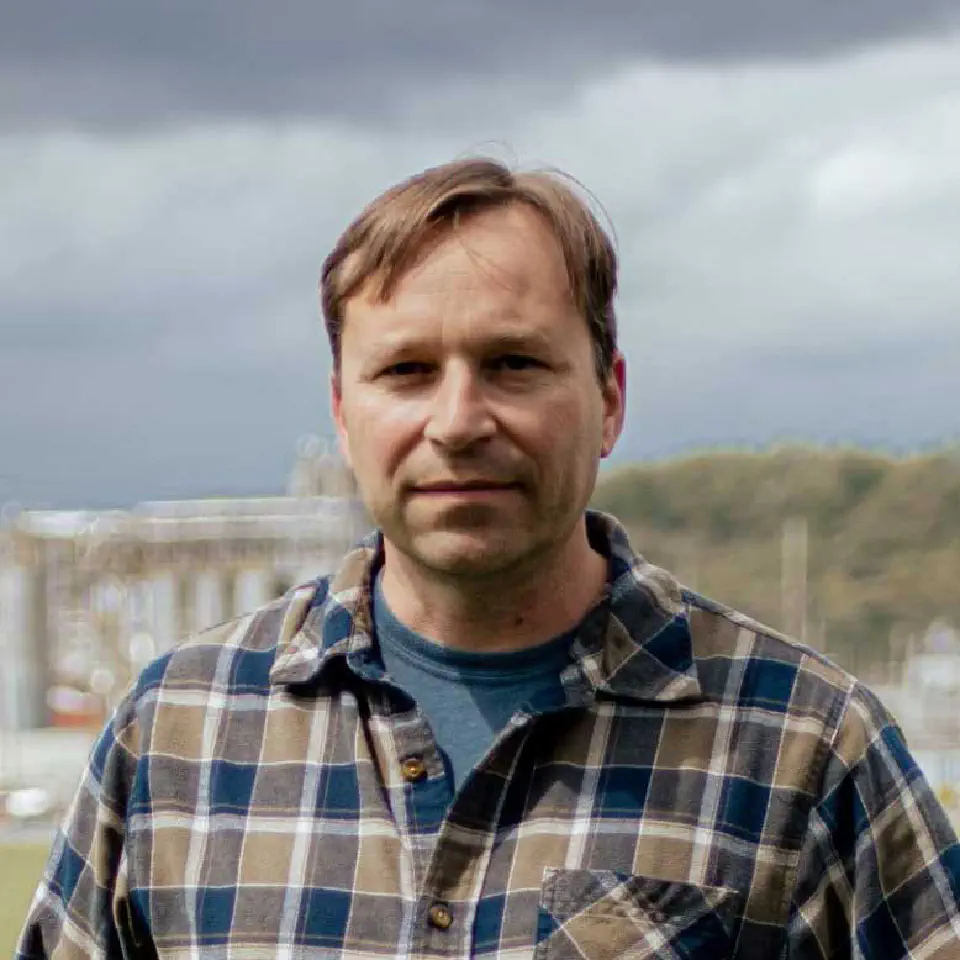
- Professor of Anthropology, and Chair, Department of Sociology and Anthropology
- Environmental anthropologist: research on community responses to toxic exposures, environmental justice, environmental subjectivity and the tensions between resource extraction and conservation; geographic focus in Uruguay (South America) and Appalachia and the Great Lakes (USA)
- Author of "Life without Lead: Contamination, Crisis and Hope in Uruguay" (University of California Press, 2018)
- Former Associate Editor and Interim Editor-in-Chief of the Journal of Latin American and Caribbean Anthropology
- Faculty Member, Grupo CSIC de Antropología y Ambiente [Sectorial Commission of Scientific Research on Anthropology and the Environment], Universidad de la República, Uruguay
- Project Coordinator and Editor, West Virginia Environment and Society Lab
Amy J. Hirshman
Professional Highlights
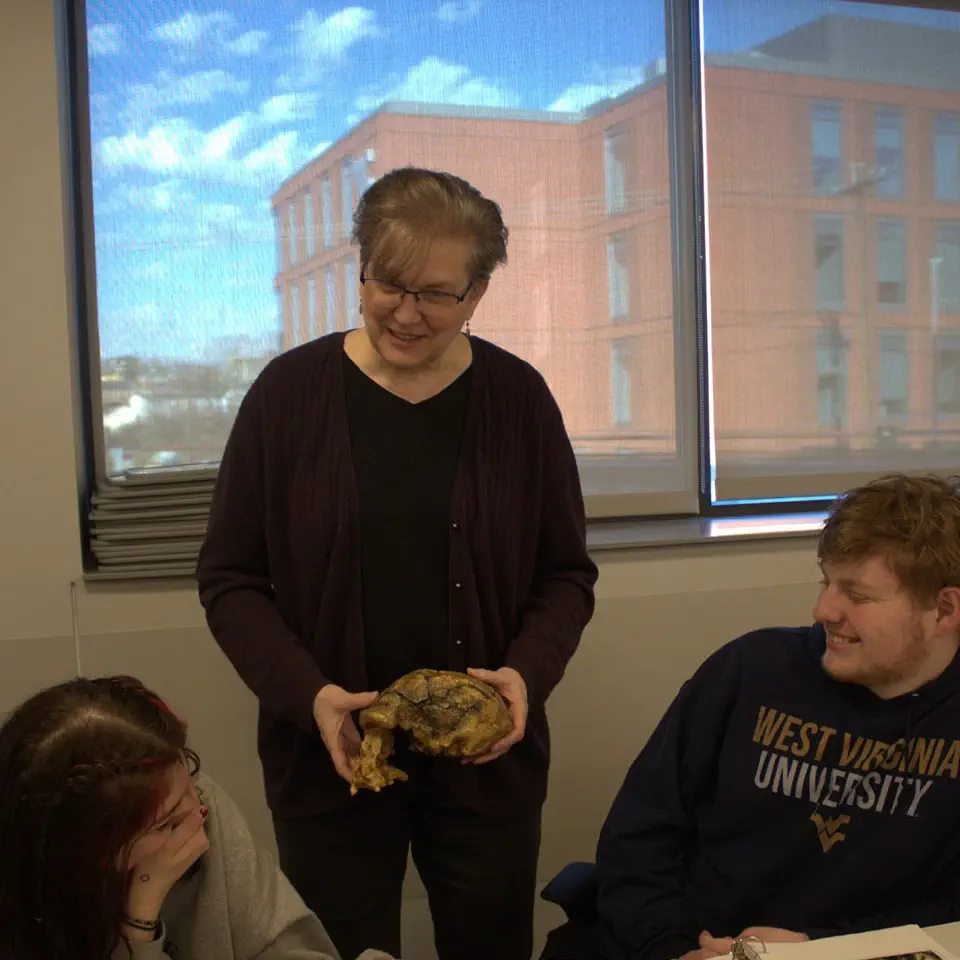
- Associate Professor of Anthropology
- Archaeologist: Multi-method research on craft specialization and the emergence/expansion of social complexity; political economy; craft specialization; households; archaeometry (chemical characterization and petrography); social change; material culture; pedagogy; geographic focus: West Mexico (Michoacán) and West Virginia
- Director, Hirshman Research Group-Archaeology Research lab
- Traveling Exhibit: “Hidden No More: Researching the Enduring Impact of Native American and Enslaved People on the Evansdale Neighborhood and Morgantown, WV”
- 2024-2025 WVU Honors Faculty Fellow
- Register Professional Archaeologist since 2004
Genesis Snyder
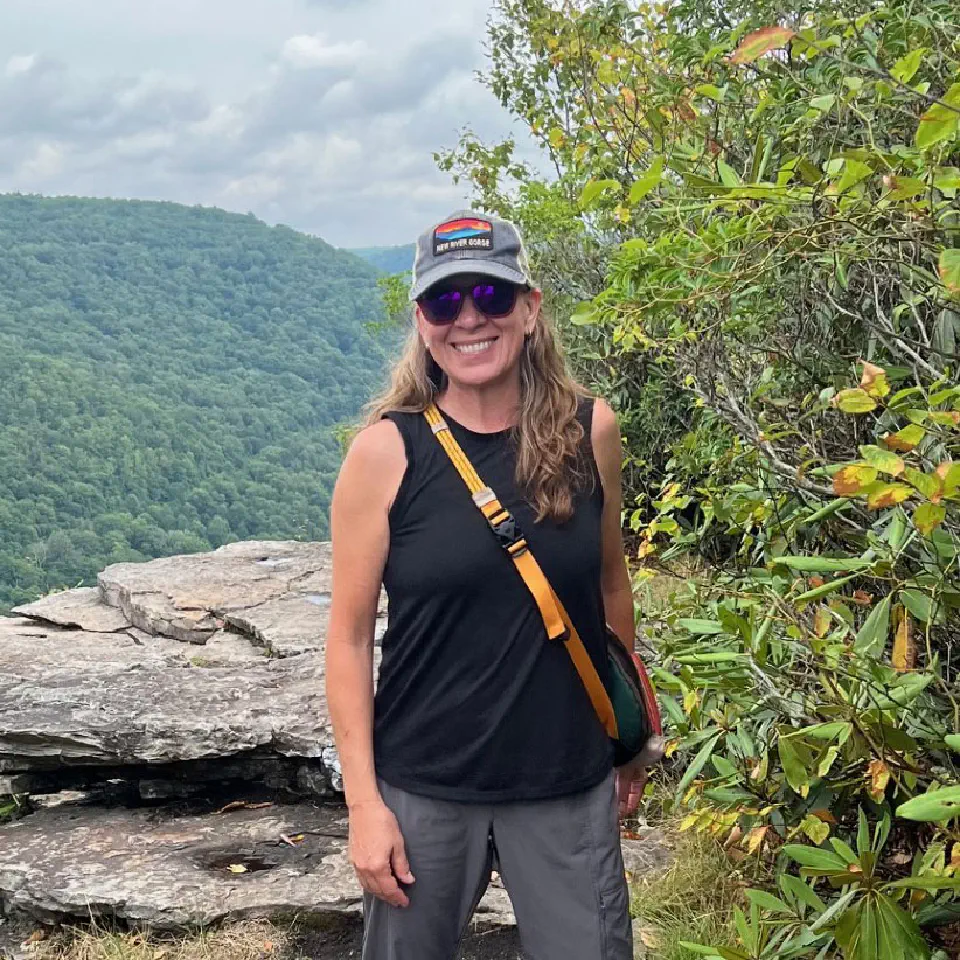
Professional Highlights
- Teaching Assistant Professor
- Historical Archaeologist: research and/or teaching interests in historical archaeology, public archaeology, history of anthropology, race and racism. Geographic focus: late 19th and early 20th century United States.
- MA in Anthropology, Western Michigan University; ABD in Anthropology, Binghamton University, State University of New York
- Principal Adviser and Point of Contact, WVU SOCA Anthropology majors
Diana Hoyos Gómez

Professional Highlights
- Visiting Assistant Professor
- Political anthropologist: research on political and structural violence, the state, human rights, post-conflict transitions, citizenship, peace building, and rural communities. Geographic focus: Colombia and Latin America.
- PhD in Anthropology, University of Pittsburgh
- Teaching experience in the U.S. and abroad
- Member of Anti-racism Committee, Department of Sociology and Anthropology
Olivia A. Jones

Professional Highlights
- Anthropology Instructor
- Bioarchaeologist: research on human skeletal assemblages, faunal versus human osteological identification, mortuary practices, archaeological collections management, best practices in museums, Native American Grave Protection and Repatriation; geographic focus: West Virginia and Greece (Europe)
- Director, WVU Archaeological Training and Research Laboratory
- Lead Curator, Grave Creek Mound Archaeological Complex
- Registered Professional Archaeologist since 2008
- President, Council for West Virginia Archaeology
- Research Associate, Max Planck Institute for Science and Human History
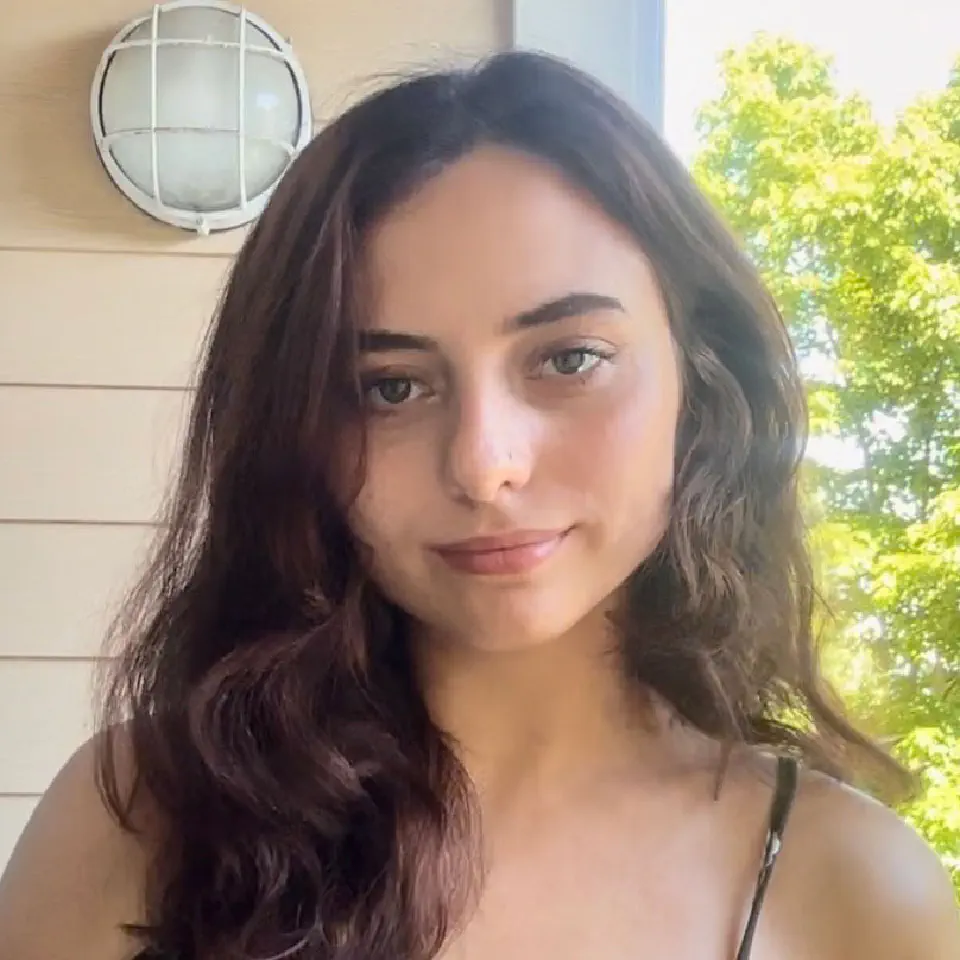
"I chose Anthropology because I wanted a degree that would make me a well-rounded, compassionate and analytical professional. Here at WVU, we have so many research opportunities, like the Archaeology Lab, which I have recently gotten a lot more involved in. The professors here really make a difference too. They are all so excited to talk about their work and are so willing to help out with any research you are interested in. A degree in Anthropology also opens up a myriad of career opportunities, which I am so excited to explore further."
Olivia Durst

I chose to major in Anthropology at WVU because it offers a unique lens to explore human cultures, histories, and the complexities of societies.
Madison Hapak
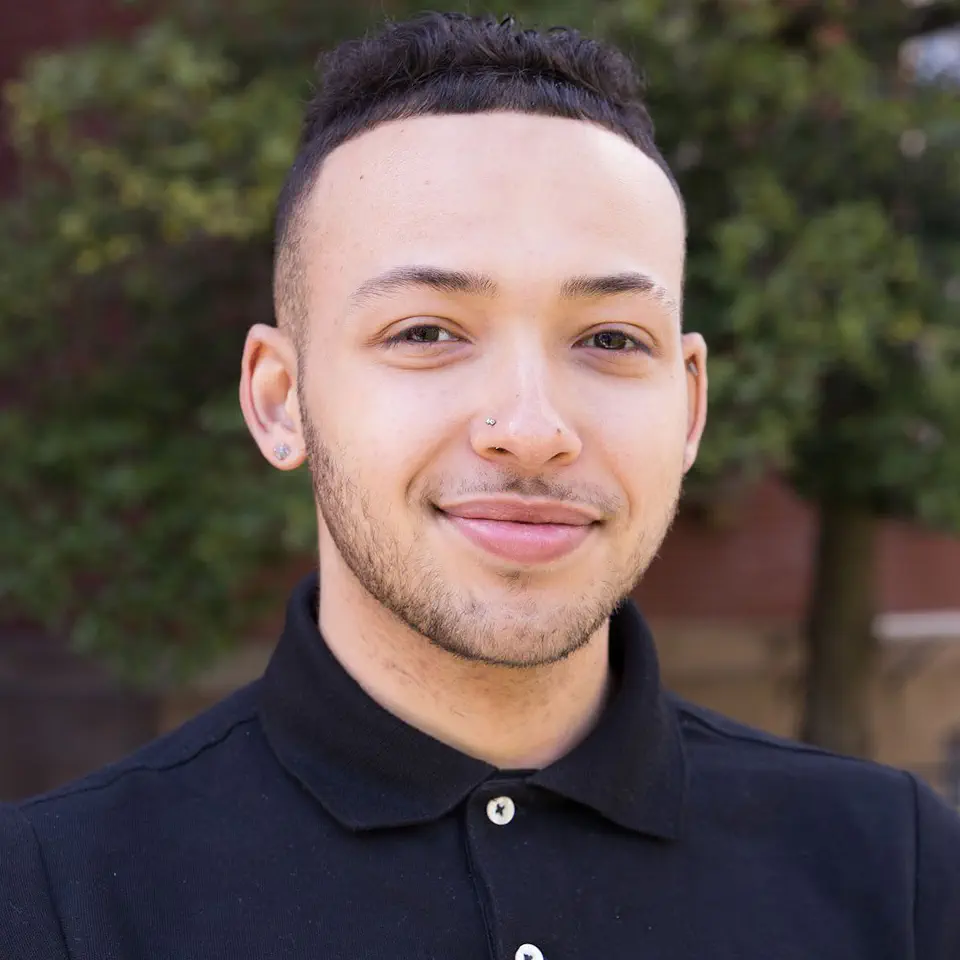
"My experience with Anthropology at WVU was nothing short of an adventure. The faculty really invest their time in providing endless opportunities for their students."
Bryan Hill
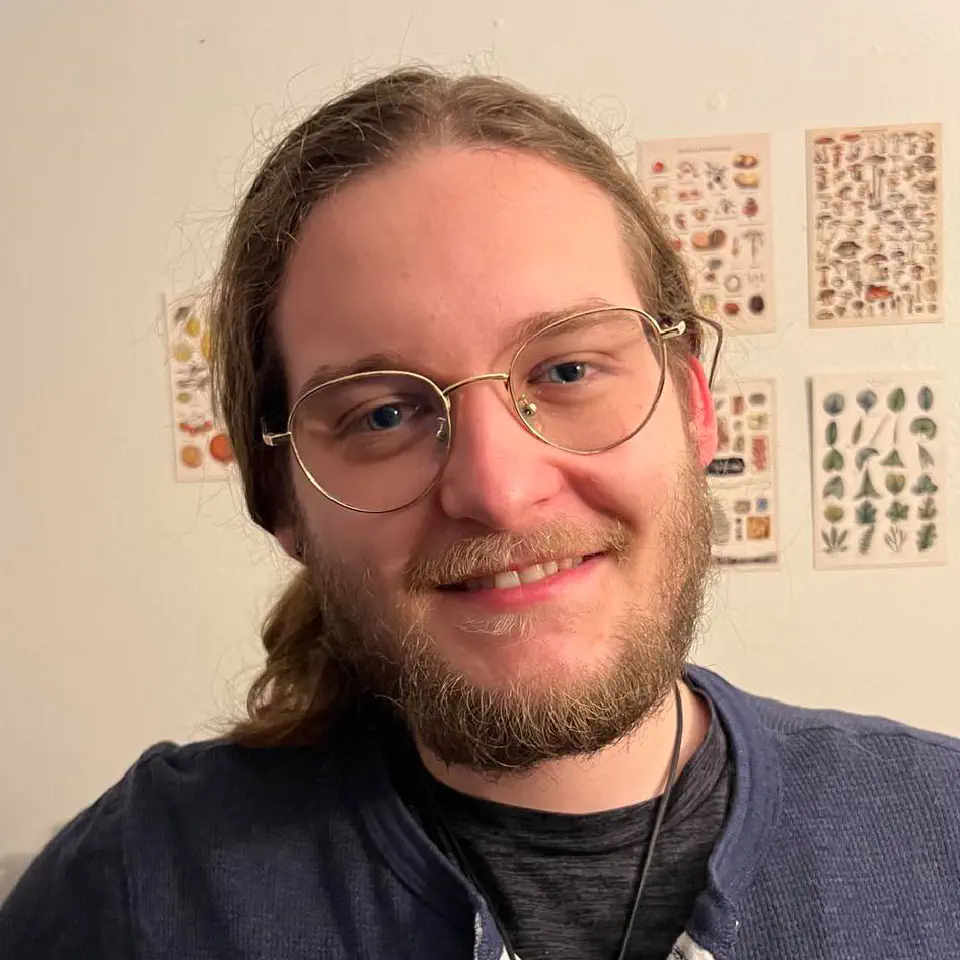
"Anthropology, to me, is an exercise in empathy and humility. The more you learn, the more you see how interconnected our lives are. It is easy to feel small as 1 among 8 billion, but anthropology shows that every culture, every person, is part of a larger story. It is not just about studying the past. It is about understanding what it means to be human and how we can shape a better future. Choosing to study Anthropology at WVU was 1 of the best decisions I have made, and I am constantly reminded of how much the professors and advisers truly care about their students' success."
Jacob Smertneck

"I chose anthropology because I think it is important to understand how people think, learn, and connect across different cultures. I chose Anthropology here at West Virginia University because I have always been intrigued by the past and how it shapes our present and future. Anthropology is a lens into the past for many people in society that do not get their stories told. I believe it is important to recognize cultures and societies that are often forgotten to show their value in history. Celebrating cultural differences and unique experiences can teach us new worldviews. By studying anthropology, I hope to uncover untold stories to ensure that they can be valued and appreciated in the future."
Emma Snyder

"I am currently the operational designer of several dual admission partnerships across Virginia, serving predominately low-income, first-generation and minority-majority student populations. The programs foster greater access to higher education and actively reduce institutional and financial barriers to bachelor’s degree attainment. The foundation I received at WVU in feminist, anthropological and sociological theories continues to inform my daily praxis by using concepts including social location, intersectionality, power, privilege and oppression while working within one of the largest social institutions influencing equality and social change. The incredible faculty and valuable education I received nurtured my passion for understanding social issues and gave me the tools requisite to dedicate my career to educational equity."
Rita Alcala (Snyder Furr)
BS, Women's and Gender Studies; Anthropology and Sociology Concentration, 2010

"While pursuing my Bachelor of Arts at WVU, I took advantage of the various courses offered through the Sociology and Anthropology program. Some courses I found truly exciting included Biological and Cultural Anthropology, Latin American Cultures, and Archaeology of Ancient States. These courses allowed me to further explore my interest in anthropology and find my passion for biological anthropology. Shortly after graduation, I was offered a TA position for the human osteology course. In the last few years, I have continued my academic career to understand how biological stress and socio-cultural environments have impacted human biology. My interests have provided me with great insight into human tissue recovery. Through tissue recovery, I can apply my knowledge of human anatomy and anthropological frameworks from a clinical perspective."
Amanda Goush
BA, Anthropology, 2017
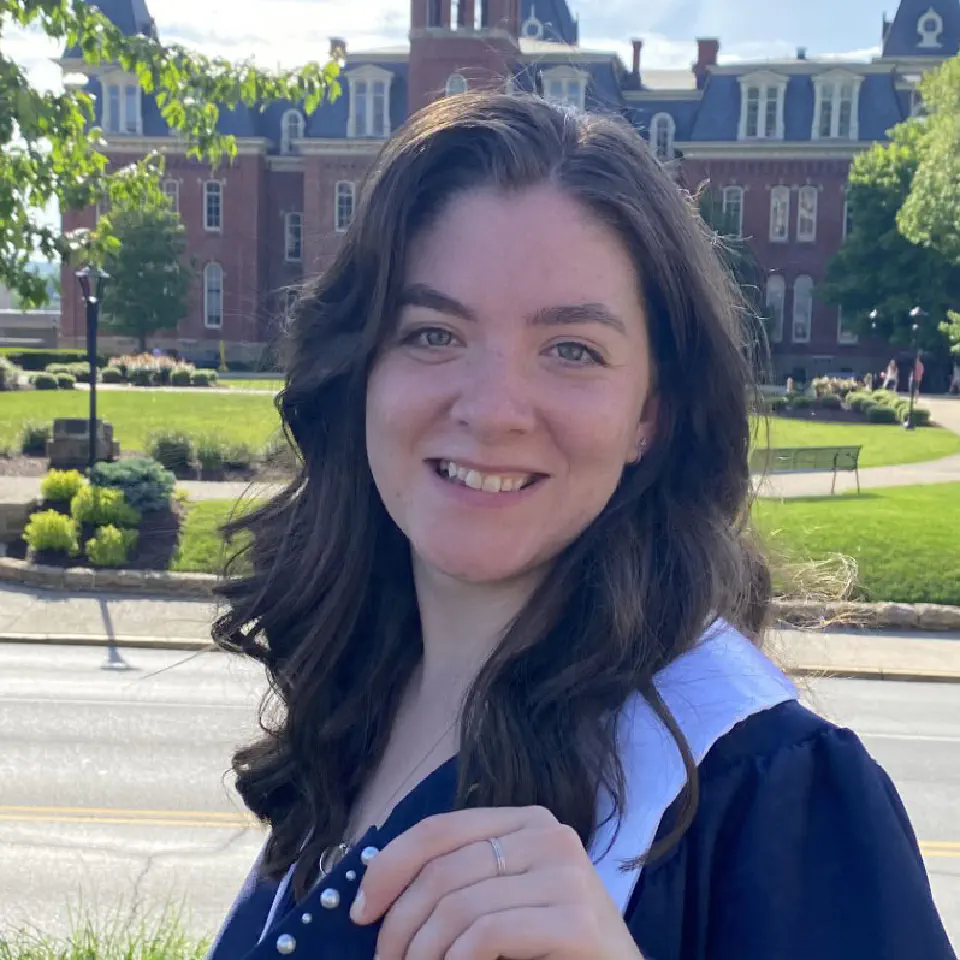
"Studying Anthropology at WVU gave me the opportunity to explore my interests and learn about the many applications of research. The chance to develop my own focus and the support of my instructors gave me the confidence to pursue my master's in social work at the University of Pennsylvania's School of Social Policy and Practice, where I am building on the academic foundation I received at WVU."
Amanda Mahany
BA, Anthropology, 2023
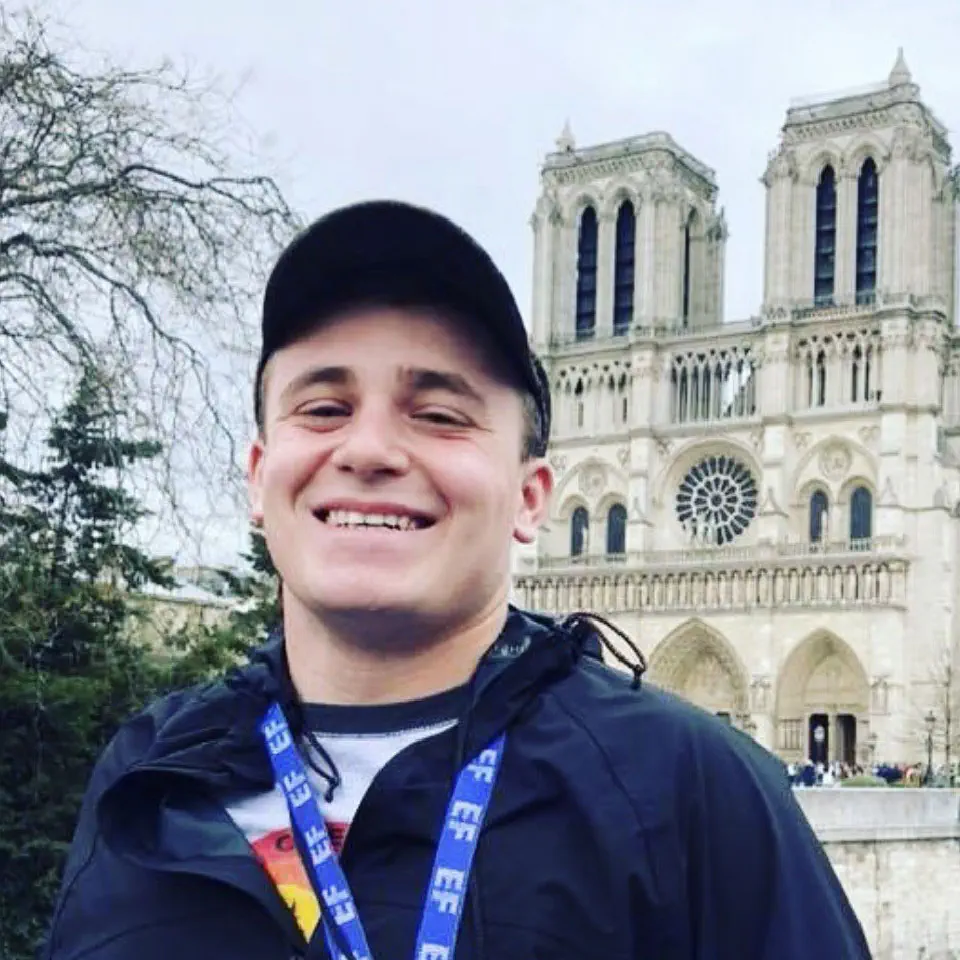
"The WVU Anthropology Department helped direct me to a career path that I was excited about. As a small-town West Virginian, anthropology was an unknown discipline, but within the first introductory class, I was ready to change my major and pursue a degree in anthropology and continue into a graduate program focused in archaeology. I now work as an archaeologist for the West Virginia Division of Highways helping manage the state’s cultural resources on highway projects."
Wesley Nelson
BA, Anthropology, 2022
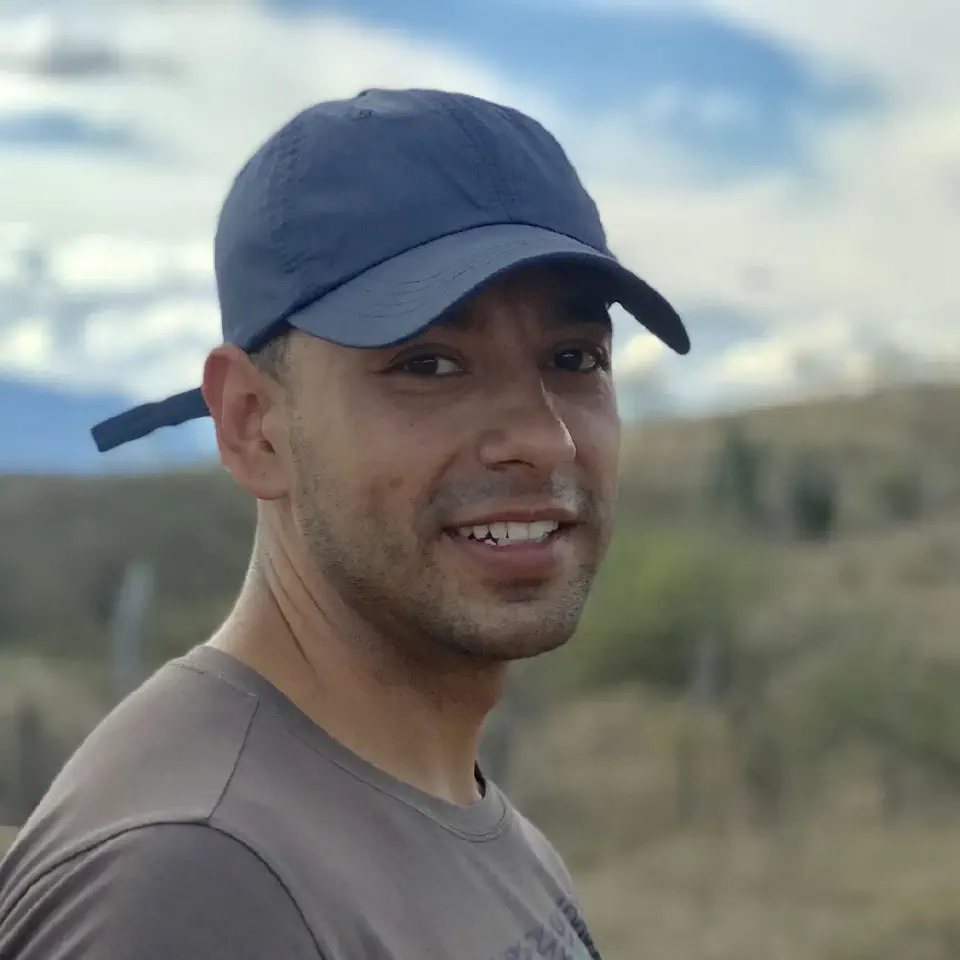
"As a first-gen student hailing from worlds where people never have the opportunity for college, receiving close mentorship as an undergraduate led me to develop an incredible trajectory of research and scholarship. Anthropology transformed my world. It spoke a grammar that resonated with my lived experiences. Genesis Snyder broke open that world for me, and Daniel Renfrew and the McNair Scholar’s program at WVU carried me along that path and are some of the reasons I am an anthropology professor now."
Andrés Romero
BA, Anthropology and World Languages, Literatures, and Linguistics, 2012
"Studying Anthropology at WVU has allowed me to take a human-centered approach in a very technical field. Without this background, I would not have found my current niche of cyber user behavior."
Chelsea Schroeder
BA, Sociology and Anthropology, Anthropology area of emphasis, 2014
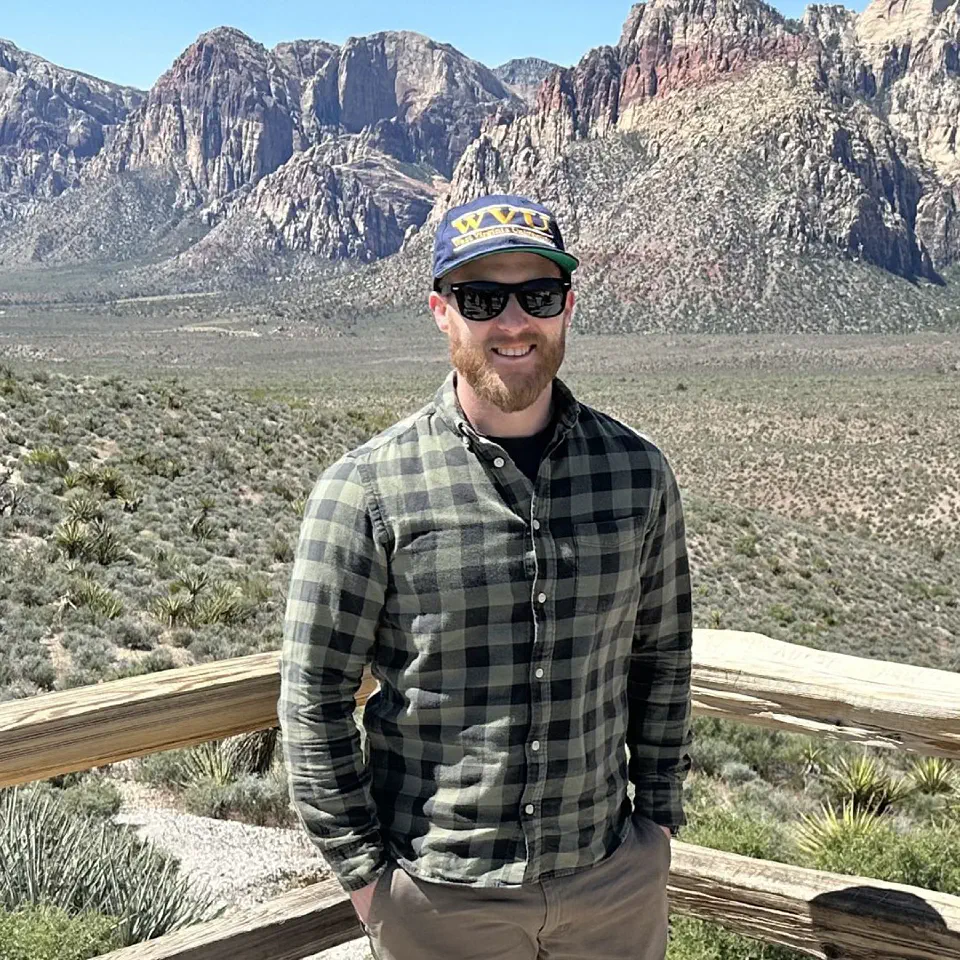
"WVU provided me with a well-rounded education that allowed me to explore many potential career options before finding my path in archaeology, which was an easy choice after completing my first field school. To this day, I am still intrigued by the work I get to do, and I am grateful for the faculty who helped guide me here."
Christopher Swisher, MA, RPA
BA, Sociology and Anthropology, Anthropology area of emphasis, 2023
FAQs
Common questions and answers about Anthropology.
- Admitted students may submit a Change of Major request. This form is for prospective students only.
- Currently enrolled students must meet with their academic adviser.
- Please review the admissions requirements to ensure that you are eligible for the requested major. Requests will not be processed if ineligible.
- Archaeologist: Studying past human societies through excavation and analysis of material remains.
- Forensic Anthropologist: Identifying human remains in criminal investigations by analyzing skeletal features.
- Cultural Anthropologist: Studying living cultures to understand their beliefs, practices, and social structures.
- Ethnographer: Conducting fieldwork to document and analyze a specific culture
- Linguistic Anthropologist: Studying language in its cultural context
- College Professor: Teaching anthropology courses at the university level
- Environmental Anthropologist: Studying the relationship between humans and their environment
- Archivist: Managing historical documents and artifacts in a museum or library
Places and Spaces
See where you’ll study, research, and create.
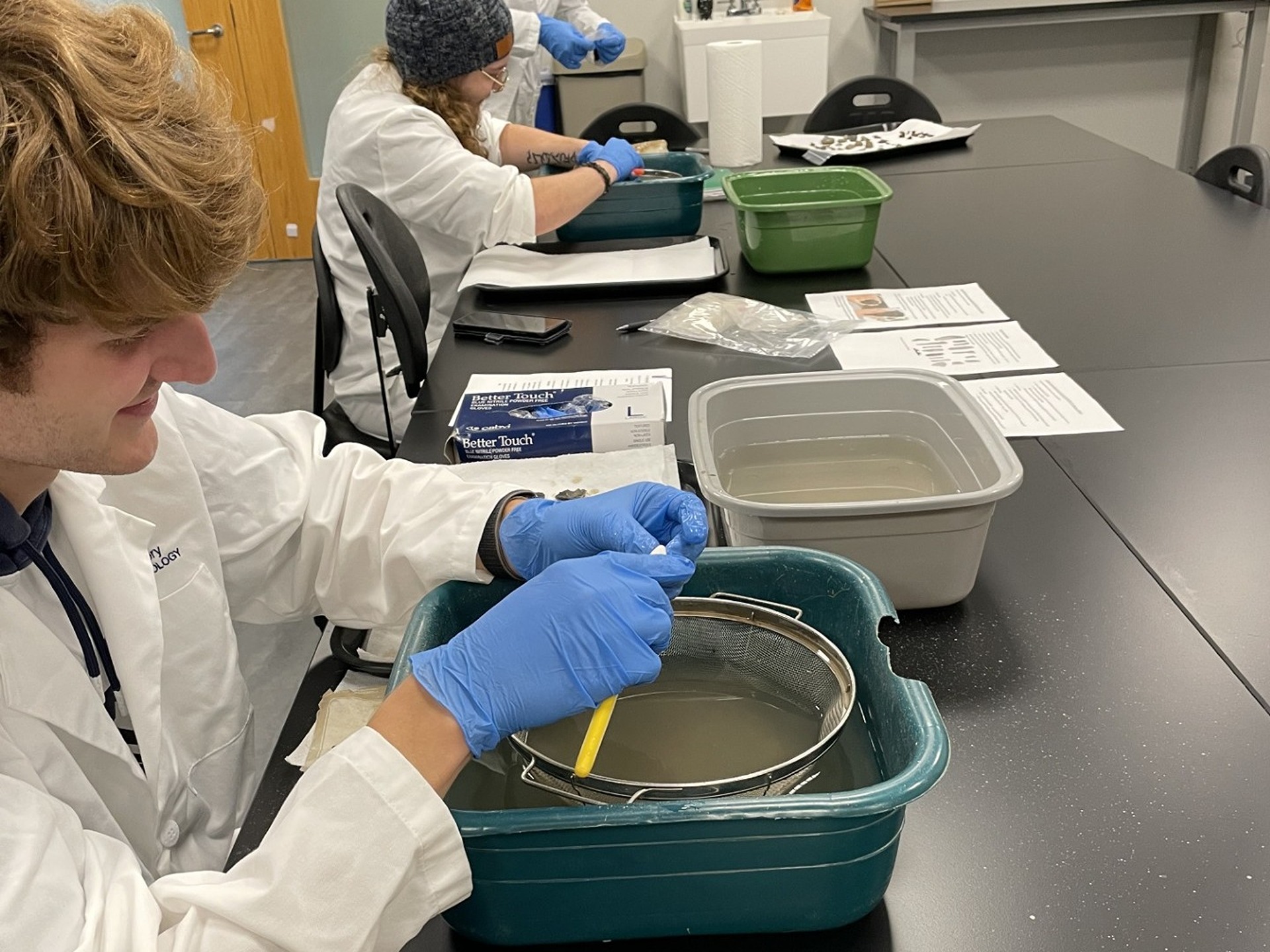
Archaeological Training and Research Lab
West Virginia Environment and Society Lab
Hirshman Research Group - Archaeology Research Lab
Virtual Tour
It’s the next best thing to being here. Virtually tour our campus and residence halls.
Student Life
You'll experience epic traditions, quality academics, and a supportive community that feels like home.
Visit
See WVU in person and start imagining life as a Mountaineer.
Admission Requirements
To be admitted to the Anthropology major, first-time freshmen must meet WVU's first-time freshman admission requirements. Interested in transferring? Review the transfer admission requirements.
Tuition and Aid
How much does Anthropology at WVU cost? And how can you save?
Tuition and Fees
Estimated rates are available on our tuition website. Anyone who is not a current West Virginia resident, including international students, will be charged non-resident rates.
Ways to Save
Beyond scholarships, here are other ways to reduce your cost of attending WVU.
Financial Aid
The most important step toward funding your future with financial aid for the Anthropology, BA is submitting the Free Application for Federal Student Aid, or FAFSA.
Start at Another WVU Campus
You can start your career with WVU at another campus and transfer to WVU Morgantown.
Transfer Articulation Agreements
To simplify the transfer process, we have formal agreements with certain institutions. These agreements outline the courses you should take to prepare for transferring to WVU.
Review the full list of transfer articulation agreements to see if your institution is listed.
Request Info
Want to know more about Anthropology at WVU? Fill out our request form to receive more information.
Visit
Experiencing campus is the best way to see if WVU is the right fit. Choose from in-person and virtual options.